
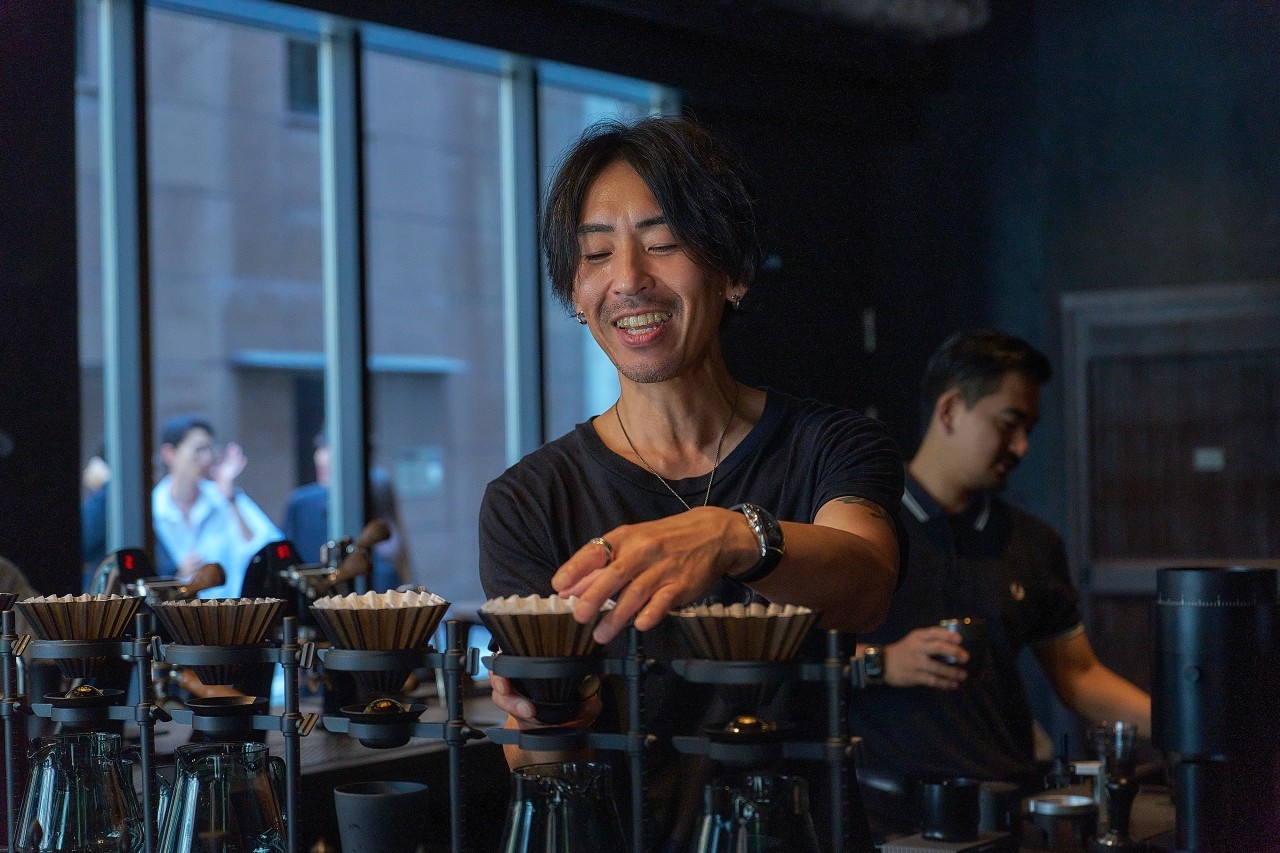
Towards "invisible craftsmanship": Kyoto-Style Espresso reflects the current state of coffee.
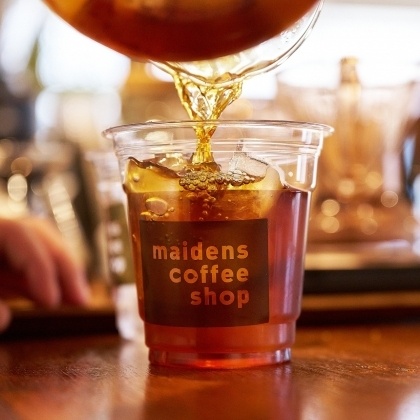
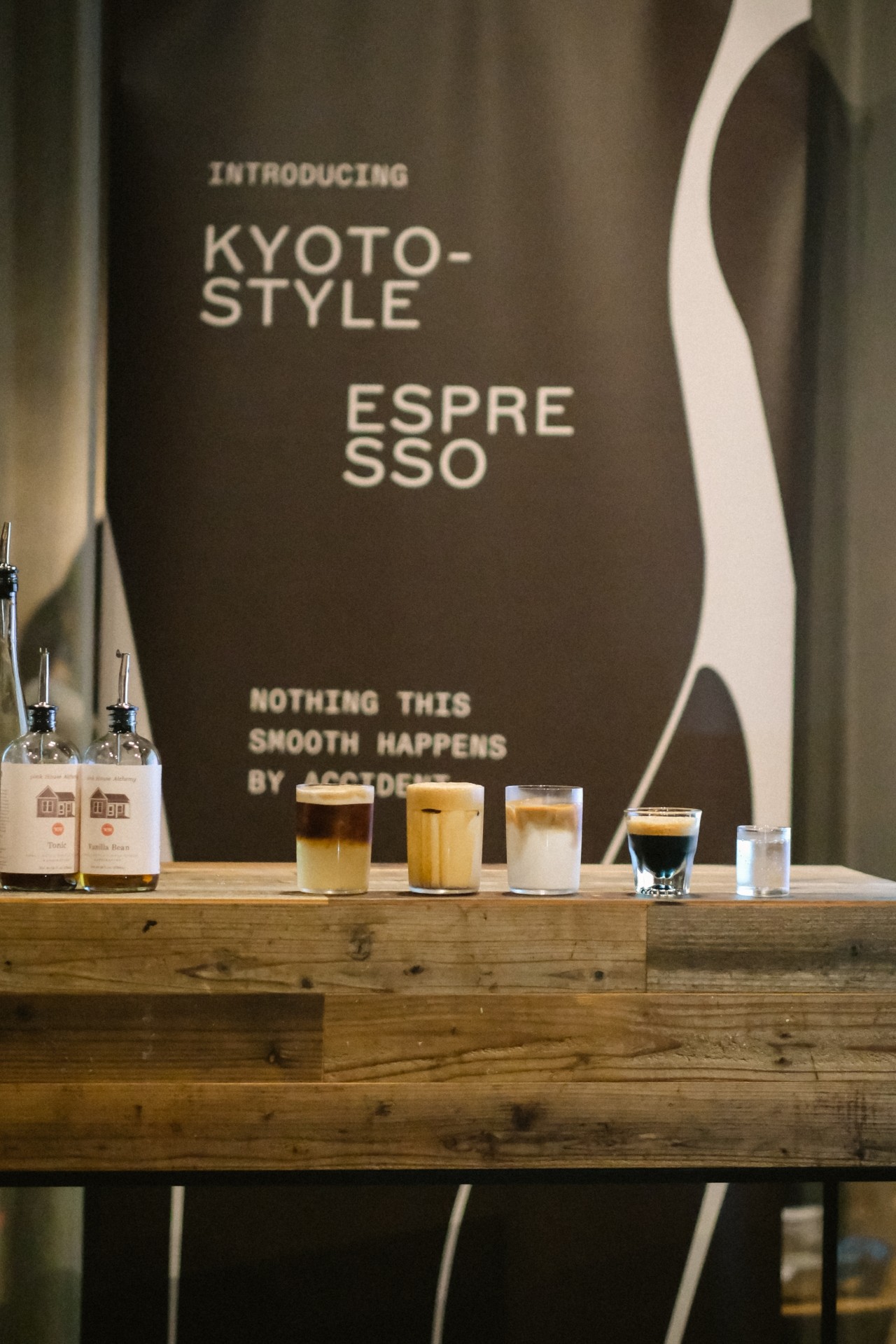
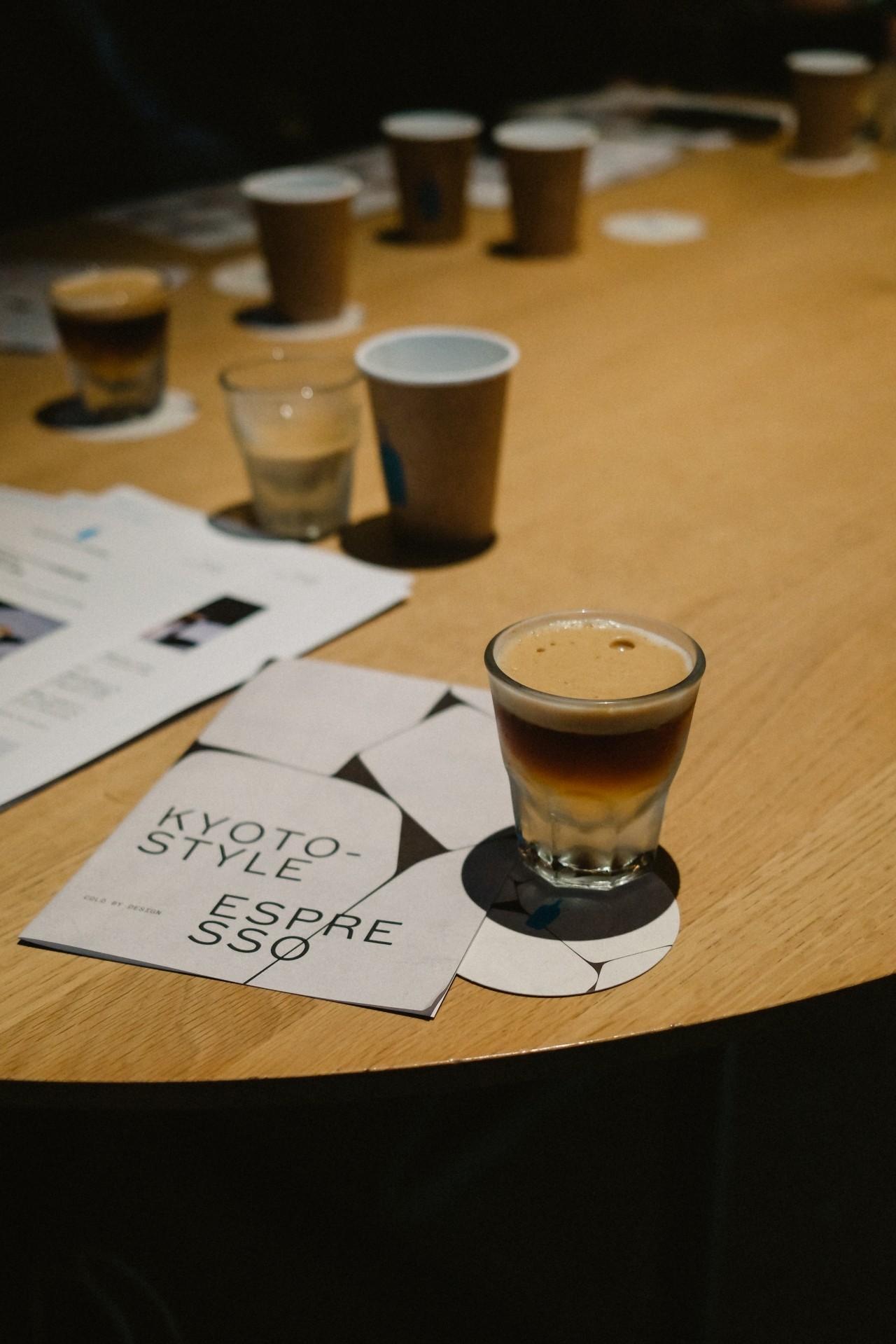
For a long time, it was common knowledge in the industry that iced espresso was made by rapidly cooling hot espresso with ice. Breaking away from that premise, Blue Bottle Coffee has introduced a drink redesigned from the ground up as a cold beverage: "Kyoto-Style Espresso." Its concept is "Cold by Design."
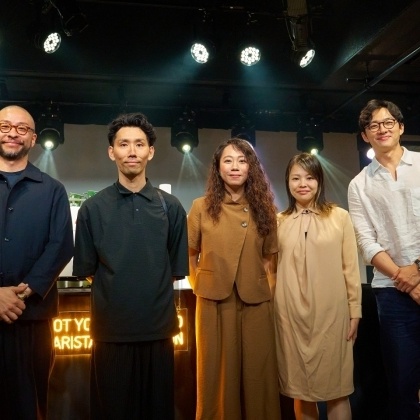
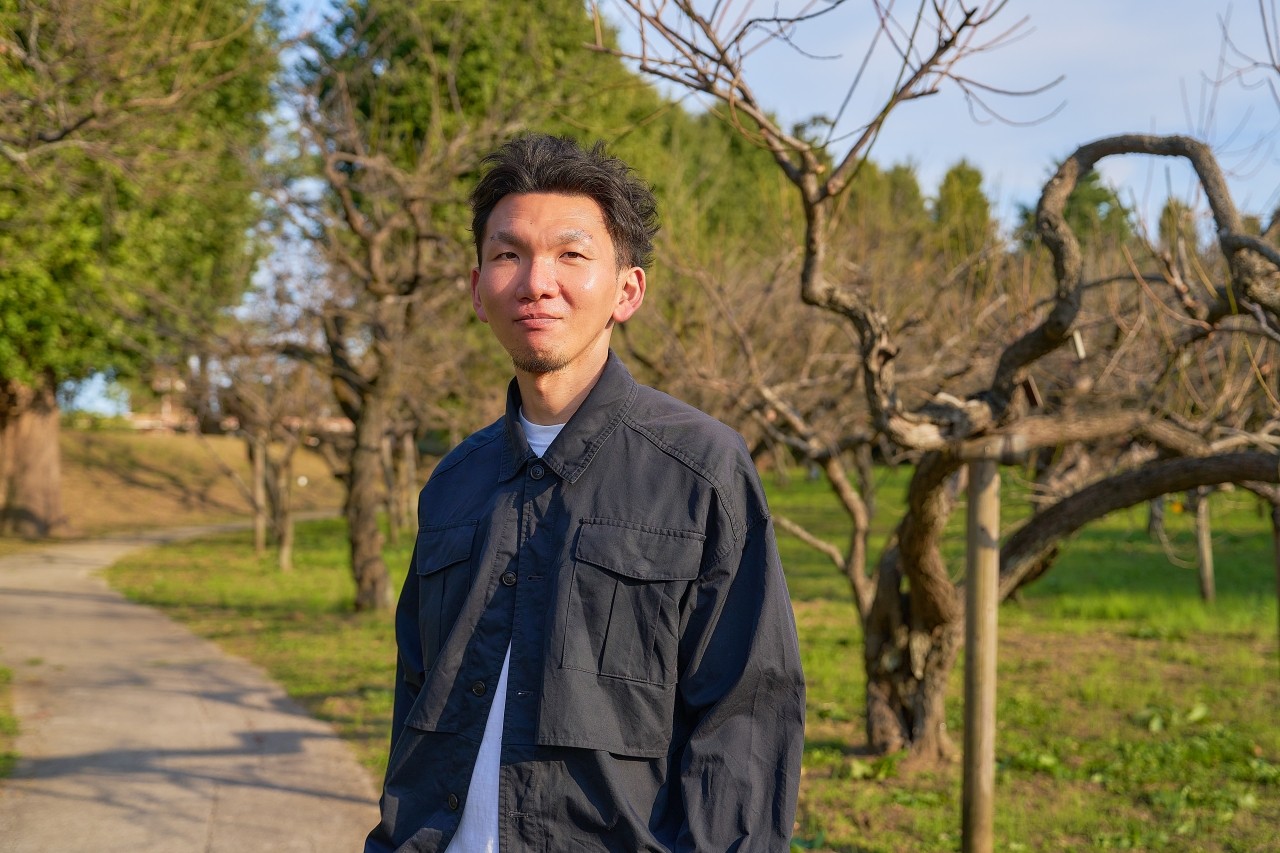
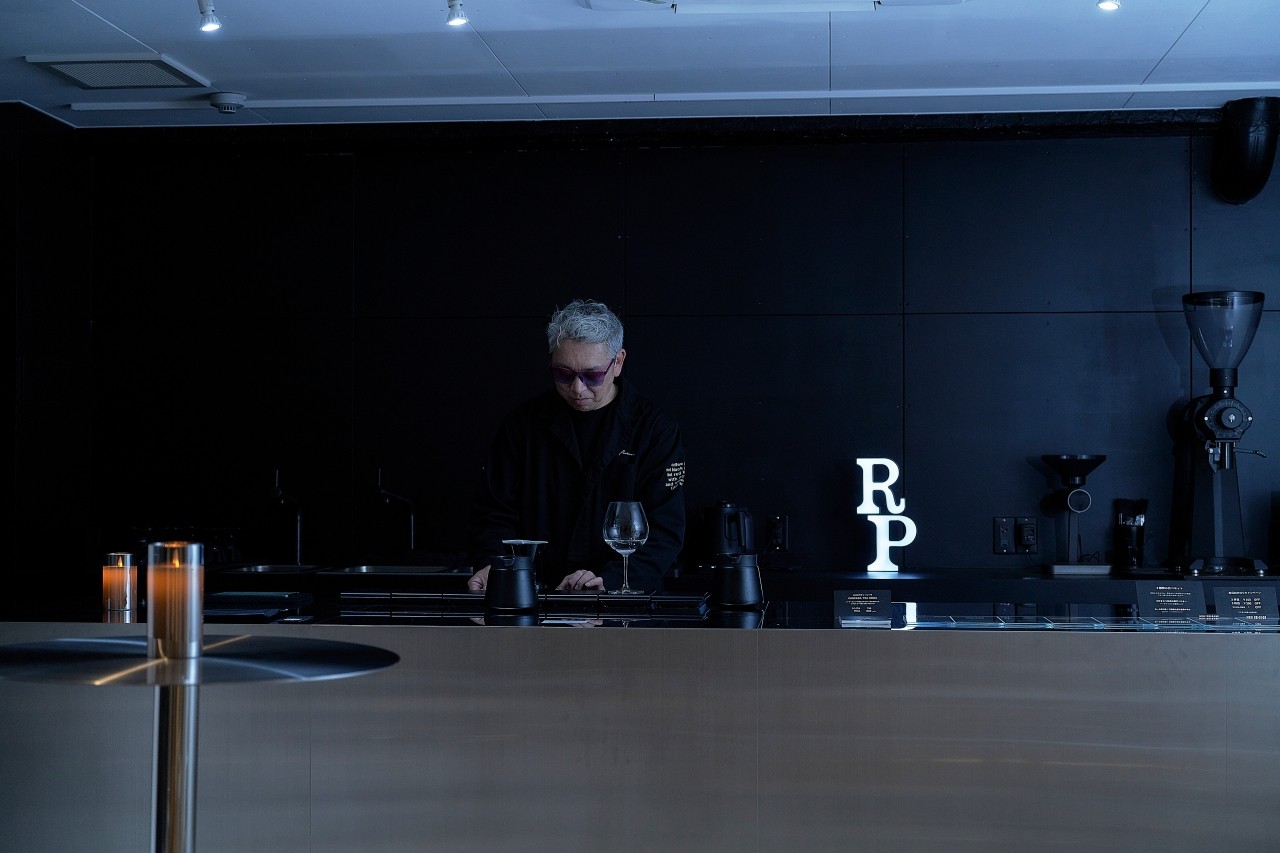
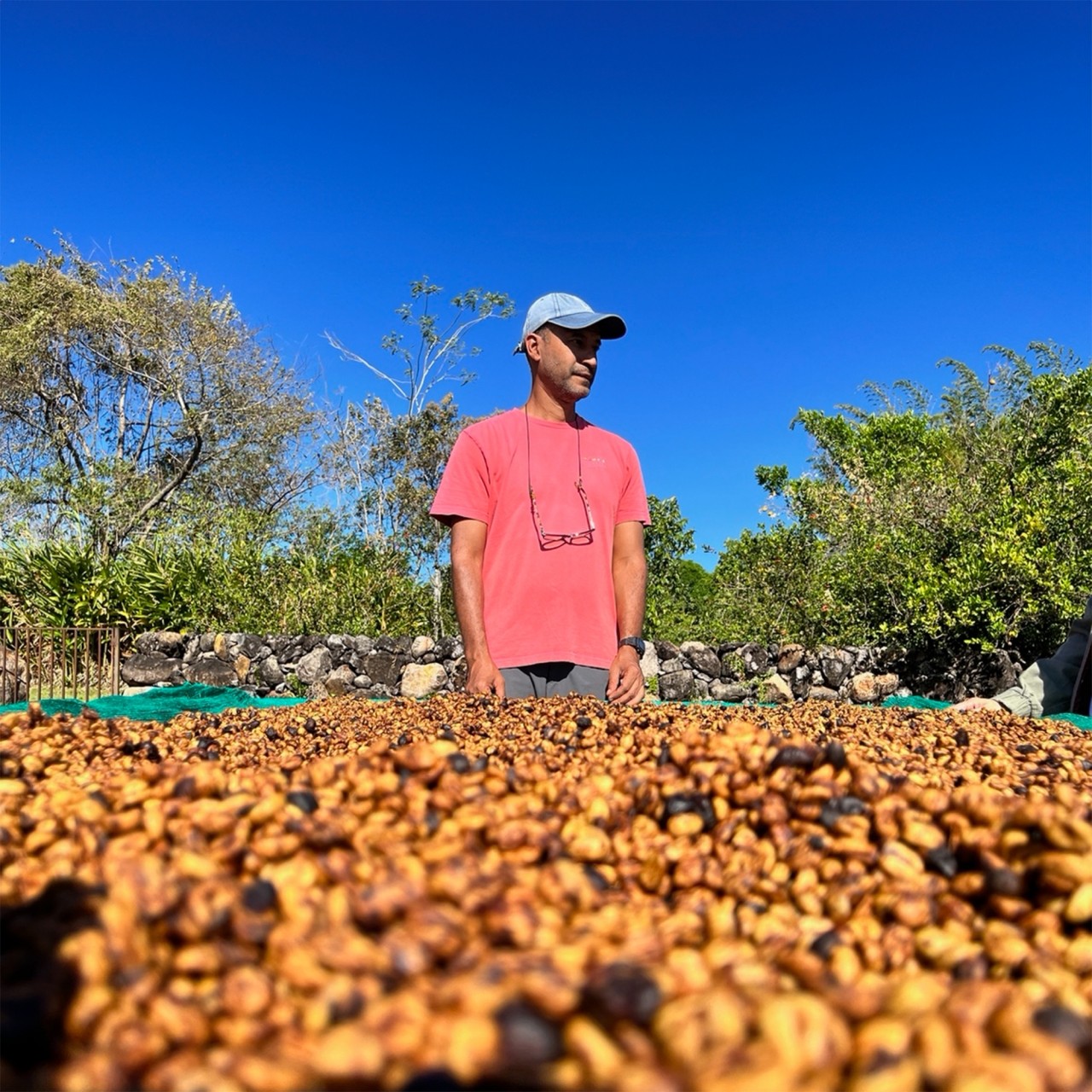
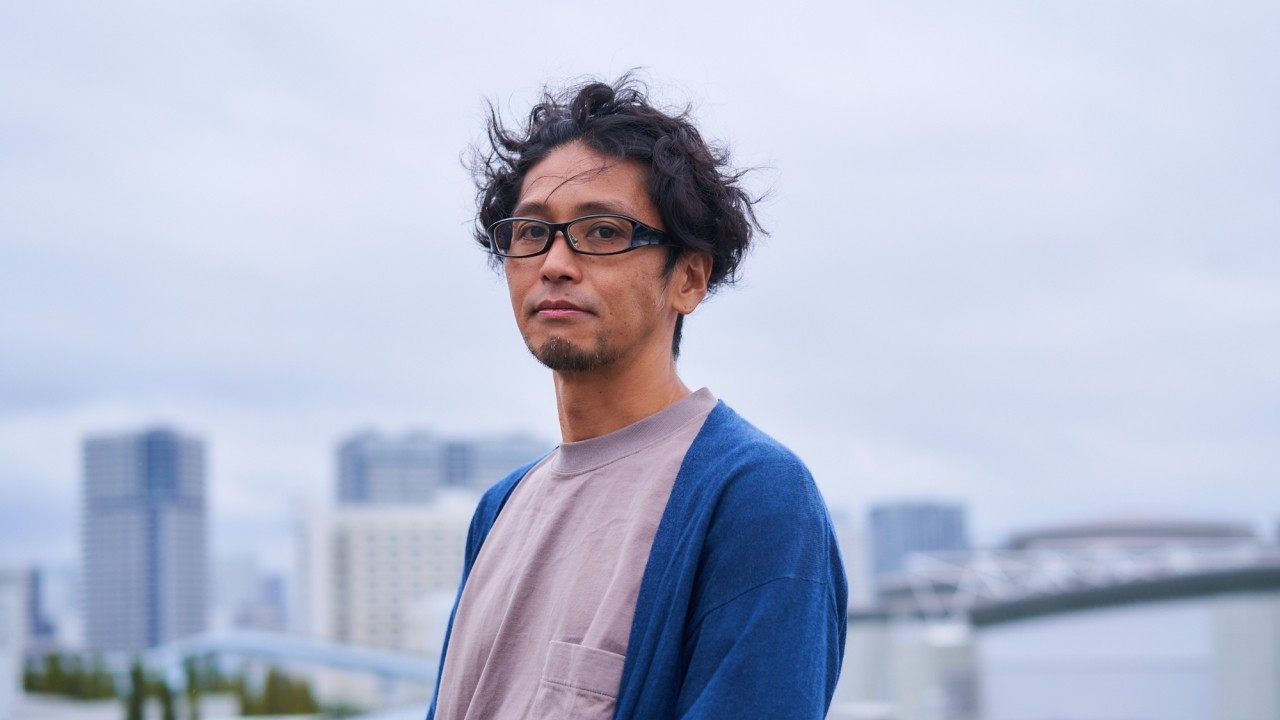
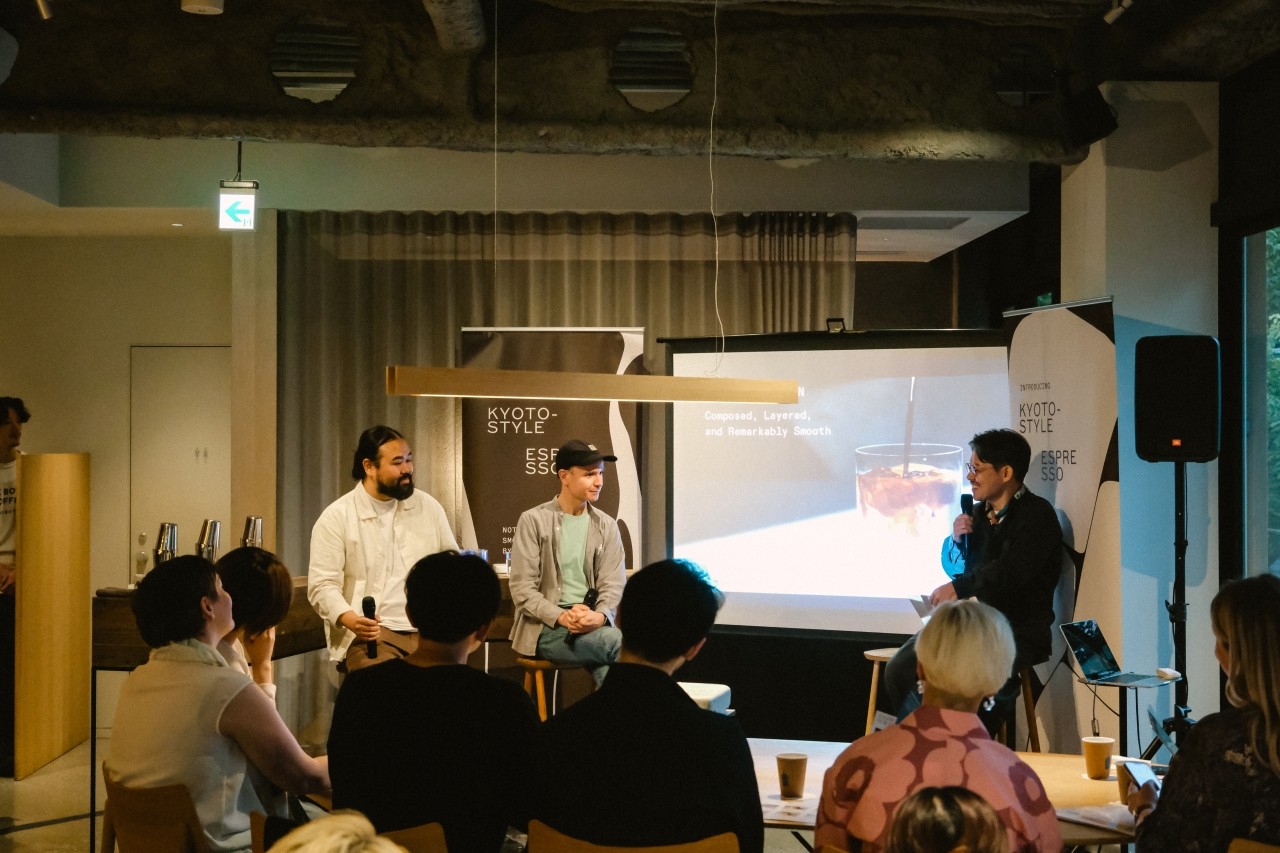
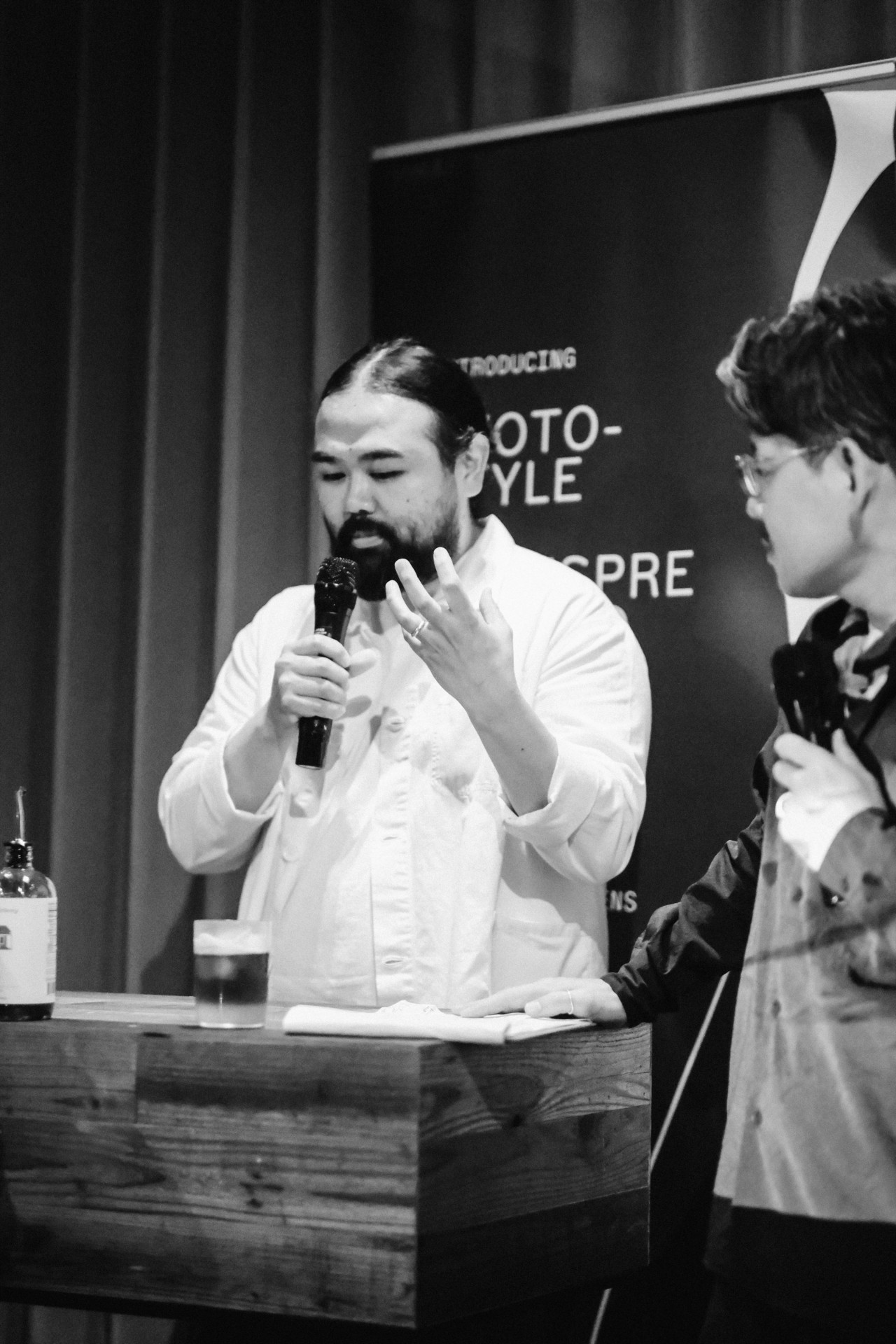
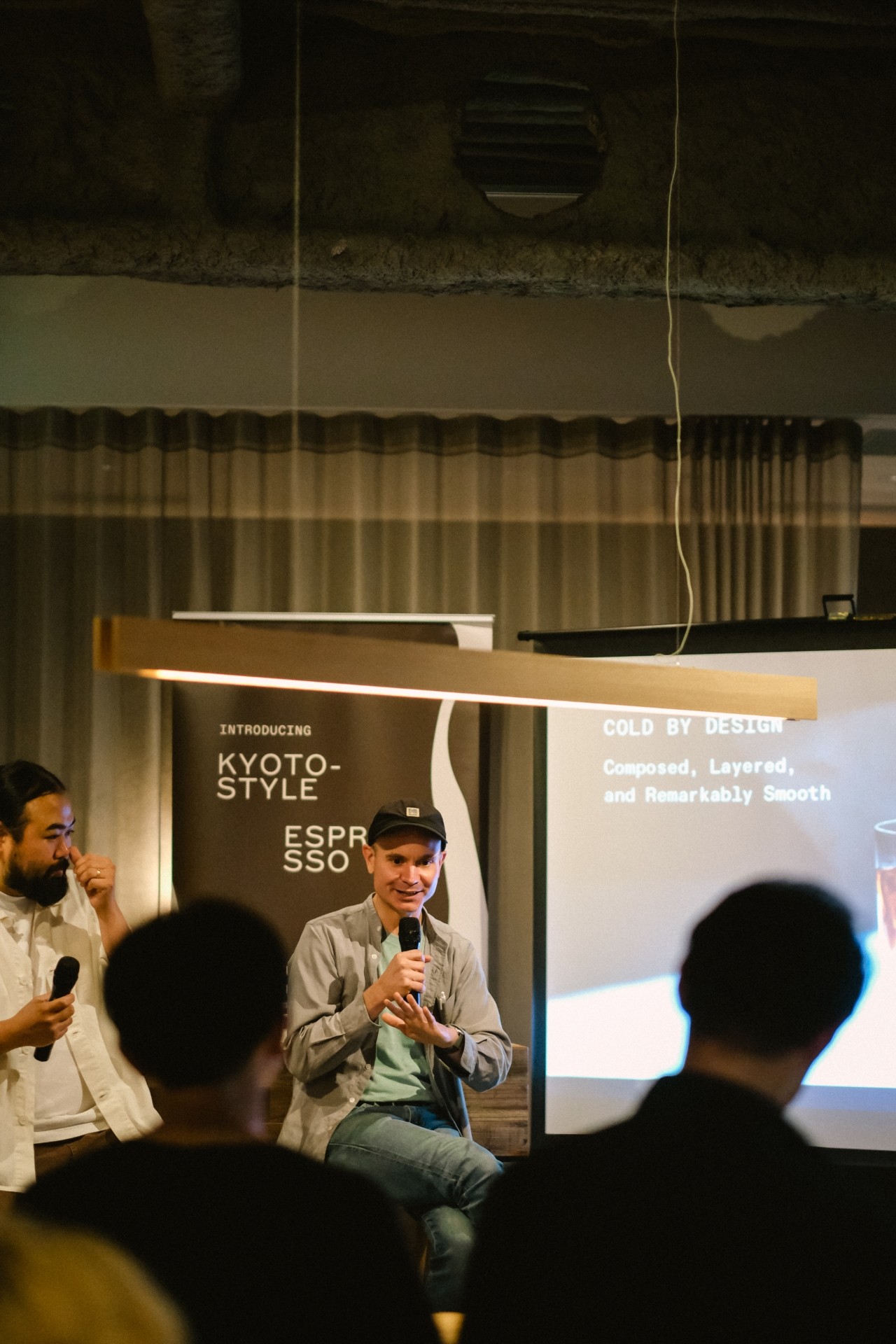
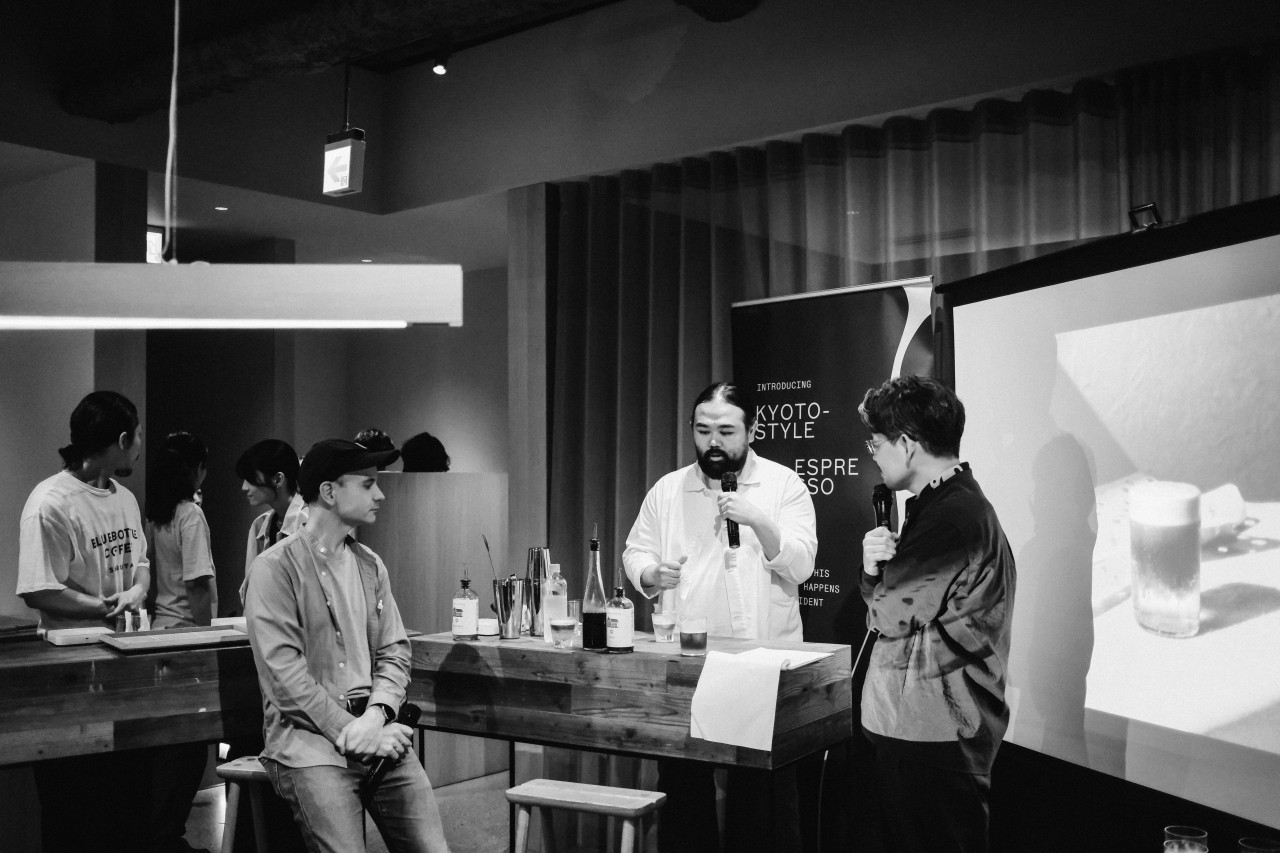
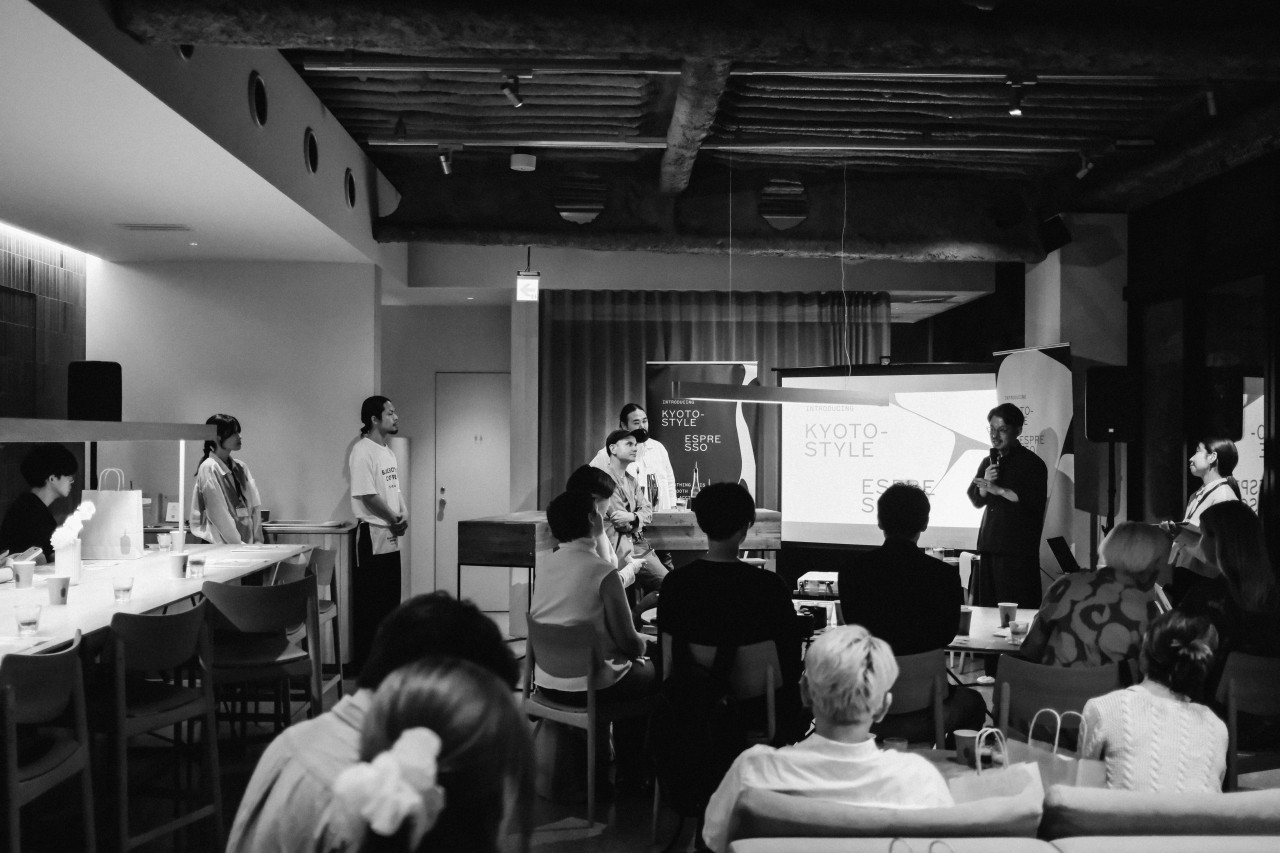
At the preview event in June, held before the information embargo was lifted, Kevin Saxton, Director of Global Product Development who led the development, Ryo Yoshikawa, Senior Global Omotenashi Manager, and Toshikazu Muromoto, Editor-in-Chief of the Japanese edition of the independent specialty coffee magazine "Standart," took the stage as interviewer.
One of the most iconic figures in hand-drip coffee and the third wave movement is remaking iced espresso from scratch. Is this a new menu item, or is it a movement concerning the coffee brewing method itself? Yamamoto of CROWD ROASTER , who attended the press conference, will try to decipher the background and meaning of this movement as one of the trends occurring in the industry.
"Cold by Design" ── What is Kyoto-Style Espresso?
Typical iced espresso is made by brewing hot espresso and then cooling it with ice. This rapid temperature change can easily result in a smoky or bitter taste, disrupting the delicate balance of aroma and sweetness. Kyoto-Style Espresso reverses this approach. Instead of brewing with heat and then cooling, it uses cold water for a slow, low-temperature extraction. The extraction process takes about an hour and a half in a machine. It is then cooled to finish.
The process itself is surprisingly simple. Finely ground coffee is mixed with water to create a mixture, which is then placed in a machine, and water is poured over it from above in a shower-like manner. The amount of water, the way it's poured, and the timing are all controlled.
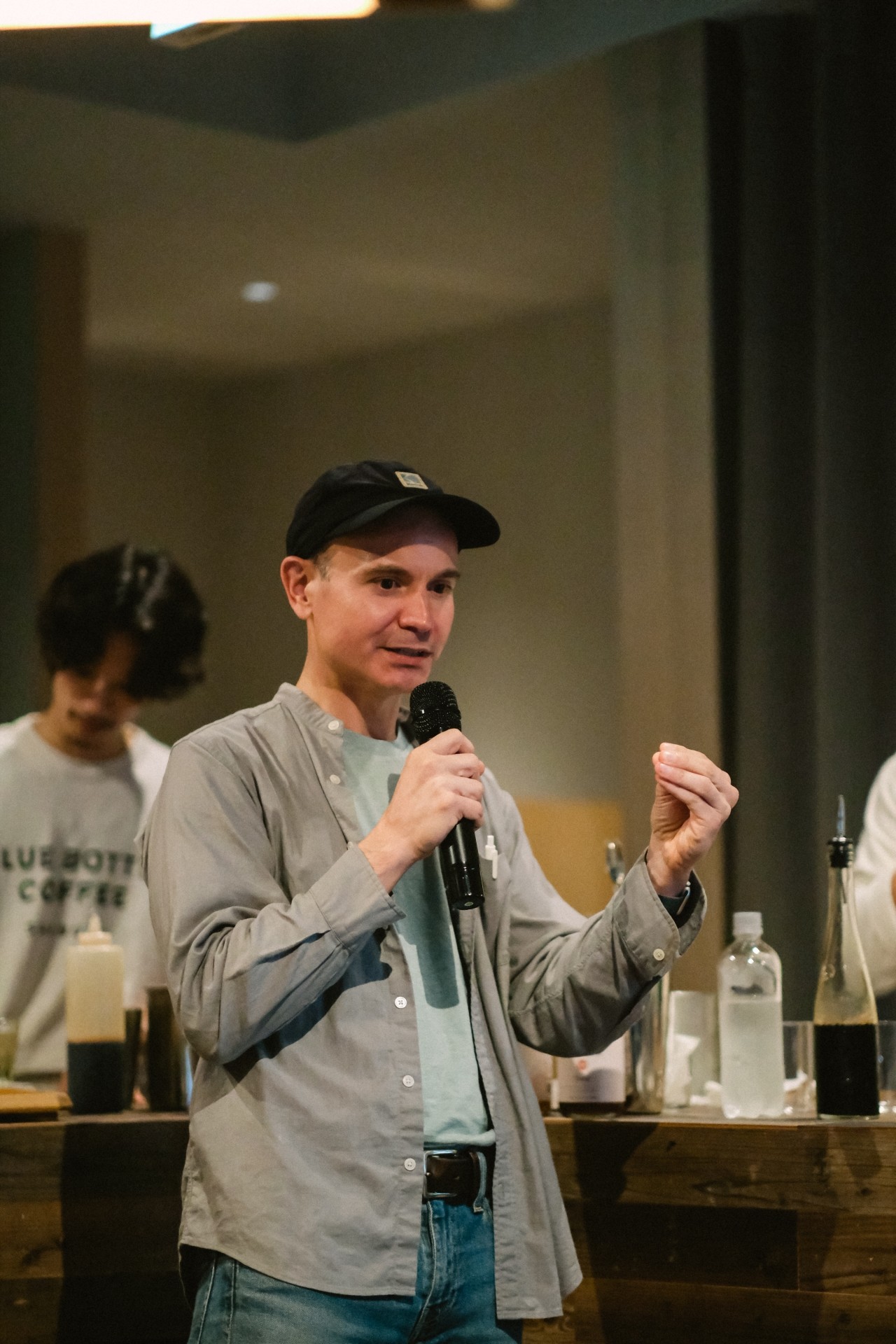
"How you brew the coffee, how you set up the bed, how you use the shower, the pulse pattern, the grinder—there are just so many variables, and at first, you get completely different results. It took a lot of time to figure out why that was happening." (Saxton, with Yoshikawa acting as interpreter)
The name has two origins. One is "Kyoto." Around the world, the water drip method (slow drip) where water is slowly poured from above is sometimes called "Kyoto-style." The idea came from this, including the culture of cold-brew coffee served in Japanese coffee shops. The extraction process, which normally takes about 10 hours, is shortened to about 1.5 hours using a machine.
The other option was "espresso." The development team themselves admitted that they had been struggling with this choice for a long time.
"I've always wondered whether it's really okay to call this espresso. However, when you combine it with other ingredients to make drinks like lattes, it functions as an ingredient with the concentration of espresso. In that sense, I think it can be called espresso," (Yoshikawa).
The coffee used for extraction is Blue Bottle Coffee's classic blend, "Hayes Valley Espresso." It has the same concentration as espresso, but without the sharpness or harshness often associated with machine-made drinks—this characteristic is the basis for the drink's design, which will be discussed later.
Five years of development – Bringing to life something "no one has ever done before"
The origins of this coffee date back about five years. When Mr. Saxton was working on R&D for instant coffee, he was dealing with the process of extracting extremely concentrated coffee. "If we can make highly concentrated coffee in a factory, surely we can do it in a cafe too?" That realization was the starting point.
Tracing its origins leads us back to "Nola," a drink that has been offered since the company's founding. It's a New Orleans-style iced coffee, a cold brew with chicory added to enhance its richness. The question, "How can we make an iced latte even better?" was not new to Blue Bottle Coffee.
I started working on it five years ago, but it didn't go well, so I put it on hold. About two years ago, once I had the right environment and equipment, I resumed it in earnest.
The machine used is a commercially available "Marco" cold brew espresso maker. There are no machines specifically designed to make cold espresso. So, he searched for existing equipment and found this product from an Iceland-based manufacturer. However, its use was not what the manufacturer had intended. When Saxton tried to experiment with his own extraction method, the manufacturer stopped him, saying, "You shouldn't do it that way." This recipe was born from an unexpected repurposing of the machine.
The development was handled by a small team of three people scattered across New York, Oakland, and Tokyo. Because the extraction process was time-consuming, each trial was crucial. So they rotated the work like "following the sun." New York would try it in the morning and log the results, Oakland would pick it up after waking up, and then Tokyo would take over—a 24-hour relay.
The biggest challenge was reproducing the recipe perfected in the lab in actual cafes, all over the world. When they took it to a cafe in New York, they couldn't get the same results as in the lab. The difference was due to the machines and grinders. A considerable amount of development time was spent on making adjustments so that the same taste could be produced with the equipment found in cafes all over the world.
From "showing" to "organizing" — From Mr. Muromoto's question
At this point, Mr. Muromoto posed a question that got to the heart of the matter.
Since its arrival in Japan in 2014, Blue Bottle Coffee has elevated coffee to a "showcase" through its hand-drip brewing method. However, with this drink, which appears to be simply poured, won't that "showcase experience" be lost?
Saxton and Yoshikawa's answer was inspired by a cocktail bar.
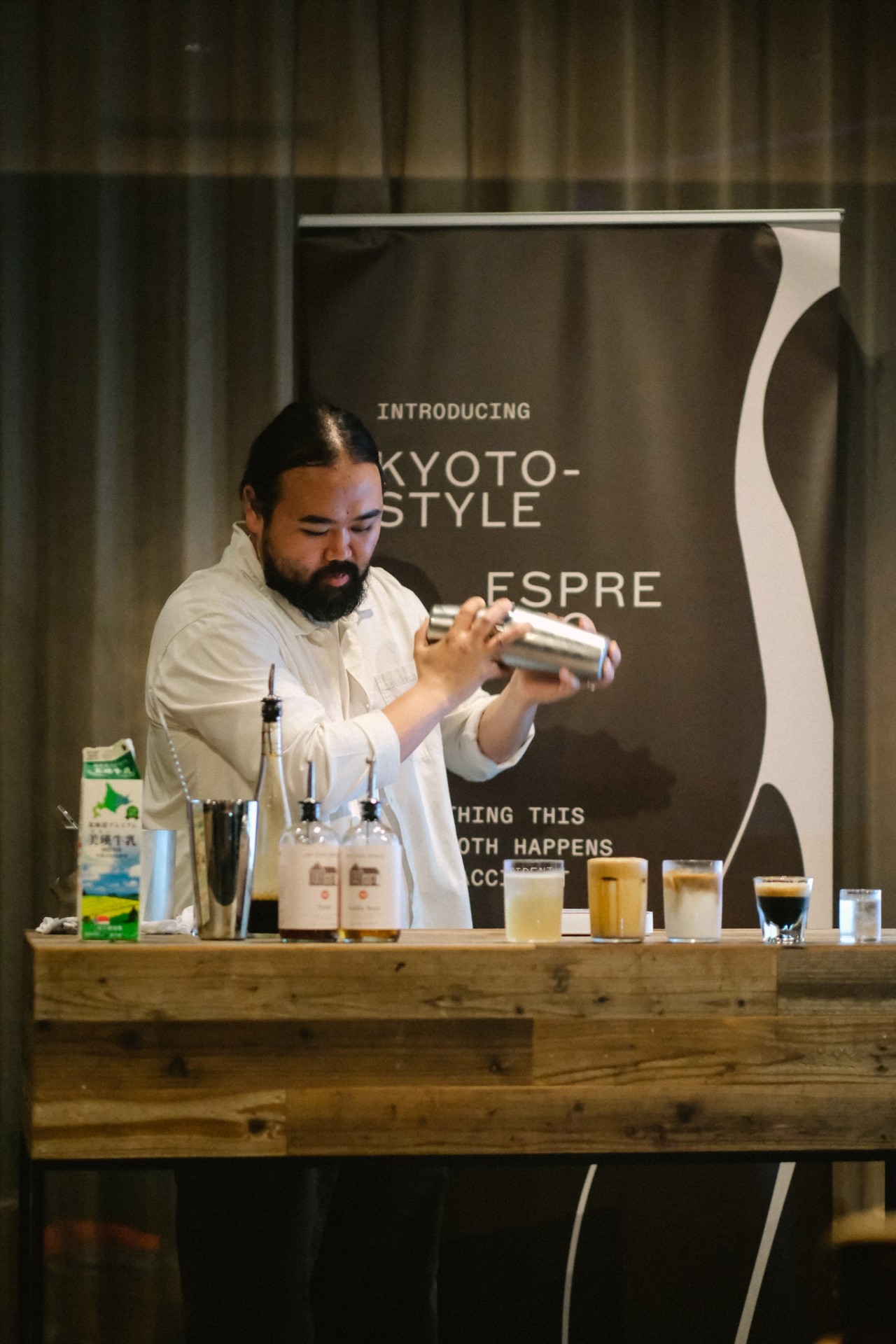
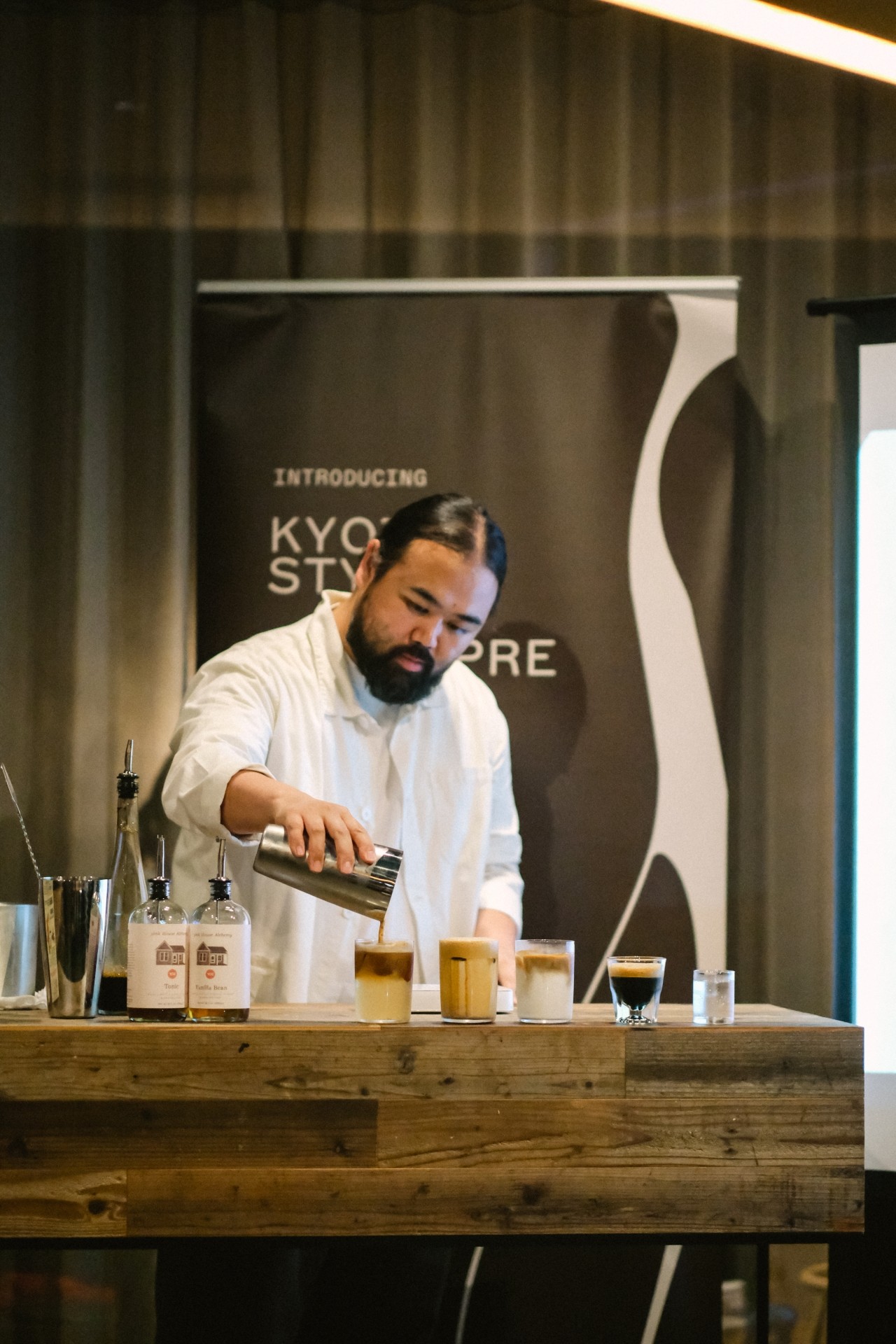
"With cocktails, the alcohol itself is manufactured elsewhere, and many craft cocktail bartenders prepare the other ingredients, such as syrups and garnishes, in advance so they can quickly finish the drink when an order comes in. I'm inspired by that. Instead of making them in batches, I combine the ingredients right in front of the customer so they can enjoy new flavors," (Yoshikawa).
The idea isn't that crafting has disappeared, but rather that the extraction process has moved to the back room. At the point of serving, the actions of shaking and building are replaced by a new experience. In fact, the "Cold Shaken Espresso" served as the first drink is made by briefly shaking only espresso and ice to create a crema-like foam. In latte-type drinks where milk is added, the espresso's concentration is maintained while it blends smoothly.
This shift from "craft for show" to "craft for refinement" is not a point unique to Blue Bottle Coffee. The question of how much to foreground brewing techniques and knowledge, and how much to relegate to the background, is a theme that specialty coffee shops will increasingly grapple with as they expand their scale since the third wave of the coffee industry. It would be accurate to say that Kyoto-Style Espresso offers one possible answer to this question.
Another motivation: the operation
Alongside the rephrasing of the experience, the operational rationality is another aspect that cannot be overlooked.
Kyoto-Style Espresso prepares its espresso in advance in the back room, with only the basic steps of building and shaking being performed at the time of serving. This reduces reliance on the barista's skill, which can vary from one brew to the next, making it easier to achieve consistent taste across different cafes. In fact, the development team repeatedly spoke about the difficulty of "avoiding situations where it tastes good at one cafe but not so good at another," and how they overcame that challenge.
"Everything is made behind the scenes at the cafe. We make small batches and serve them. The craft aspect hasn't disappeared; it's just that it's made out of the sight of the customers," (Yoshikawa).
In addition, the ability to shorten the water drip brewing process, which normally takes about 10 hours, to approximately 1.5 hours is significant from the perspective of service speed and the scale of café operations.
However, these aspects should not be taken too seriously. Saxton himself acknowledges that this is also an expensive technology. In Japan, the rollout will begin with three cafes in Shibuya, Harajuku, and Kamakura, and will be expanded gradually afterward. It will not spread to all stores in one leap. It is sufficient to calmly understand that there are two motivations at play: "redefining presentation" and "improving operational efficiency."
The name "Kyoto" – Translating culture
Kyoto-Style Espresso is not a local product exclusive to Japan. On the day the information embargo is lifted, it will be launched almost simultaneously globally, including in the United States and South Korea. Moreover, it will retain the Japanese-derived name "Kyoto-Style."
Here, we see a clear strategy for translating culture into marketing. Existing cultural assets, such as Kyoto's cold-brew coffee and Japanese tea culture, are linked to the product name and development story, offering added value to the world. The brewing method itself—slowly extracting with cold water—is similar to a long-established concept in Japanese tea shops. A global brand then renaming it in its own language and bringing it to market.
This point resonates with the exchange with Mr. Muromoto regarding roasting. At the venue, the recent overemphasis on light roasts in the coffee scene and the subsequent backlash were discussed.
"Light roasts are definitely heavily influenced by Scandinavia and other regions. On the other hand, dark roasts are also being re-evaluated, and roasters who have traditionally focused on light roasts are now releasing single-origin dark roasts. I think that by re-examining Japanese coffee culture, we can find the path forward for Japanese coffee," says Mr. Muromoto.
Bitterness isn't necessarily something to be eliminated; some view it as a unique characteristic—as the development team also stated. The fact that Kyoto-Style Espresso is designed to suppress the bitterness derived from rapid cooling and bring out a smoother flavor becomes more apparent when viewed within this context. Japanese coffee culture is once again being referenced by coffee around the world. This development is one example of that larger trend.
As one possible answer
"This isn't just a summer drink, a new menu item; it could become a new category, a new brewing method," the development team said. In fact, Kyoto-Style Espresso is not a one-off seasonal product, but will be established as the base for Blue Bottle Coffee's iced espresso drinks. They also mentioned the prospect of the boundaries between cafes and cocktail bars becoming blurred.
However, no one knows yet how far this will spread or what impact it will have on the entire industry. The resurgence of appreciation for Japanese coffee shop culture worldwide is not the result of one company's efforts, but rather the culmination of a long history of contributions from producers in various regions, each contributing in their own way.
Kyoto-Style Espresso is one possible answer to the question, "How should we design cold coffee?" Whether it will be a fleeting trend or mark a new chapter in coffee brewing will be determined over time as the industry develops. We will quietly observe what happens next.
Interview and text by: CROWD ROASTER Shohei Yamamoto
Photo by Alex (@interwebly)
If you want to enjoy coffee more deeply
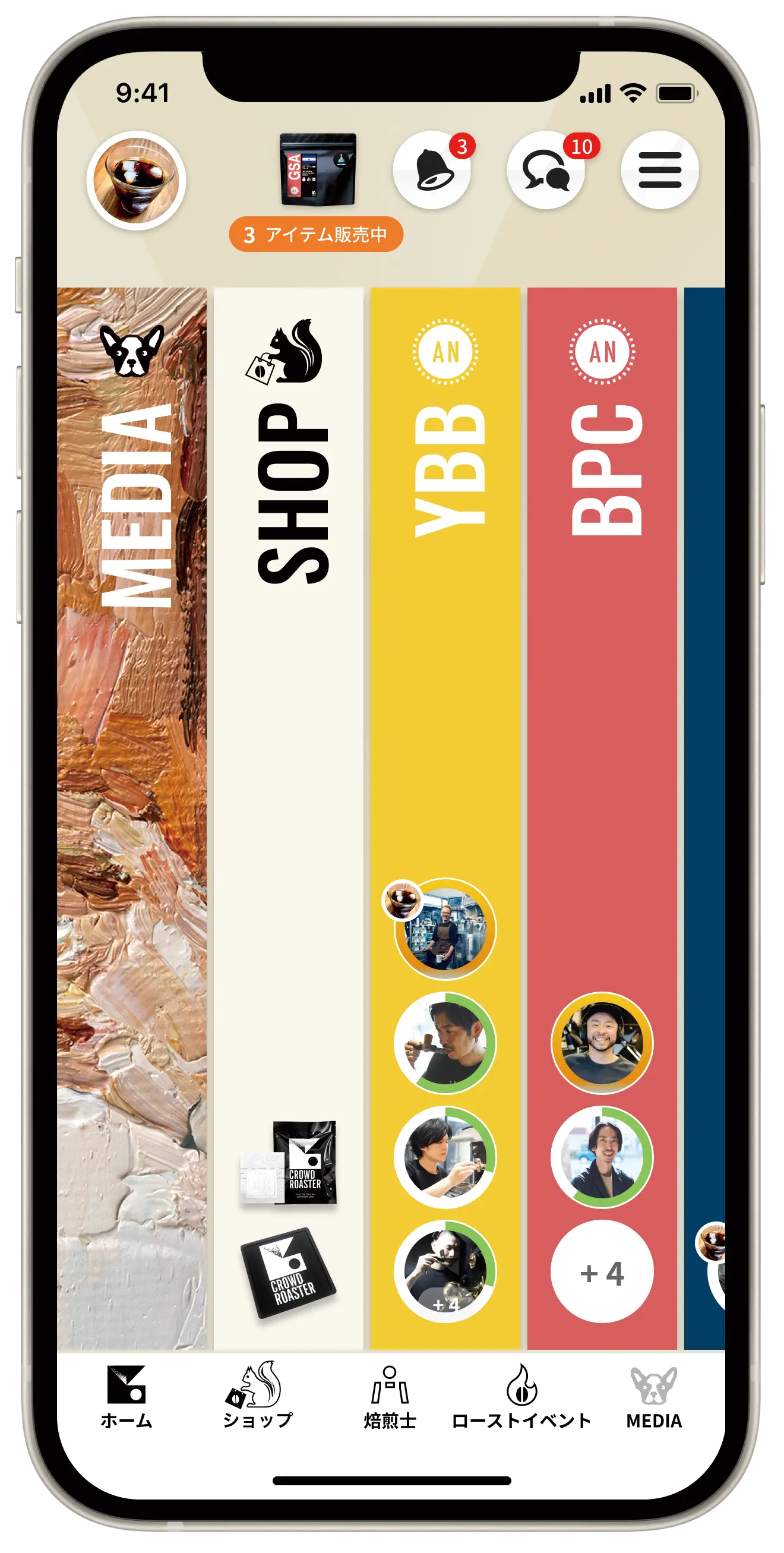
" CROWD ROASTER APP"
Manabu at CROWD ROASTER LOUNGE
・Push notifications for article updates・Full of original articles exclusive to CROWD ROASTER
・Direct links to detailed information about green beans and roasters
App-only features
- Choose green beans and roasters to create and participate in roasting events・CROWD ROASTER SHOP: Everything from beans to equipment is readily available
・GPS-linked coffee map function
Download the official app here