Surf Coffee, winners for the second year in a row, talks about coffee, travel, and the Tokyo stage (Report Part 2)
In the first part, we conveyed the philosophy and evolution of the event through the words of those who create the Barista League—organizer Vasileia Fanarioti and the judges. The second part tells the stories of the competitors who took to the stage.
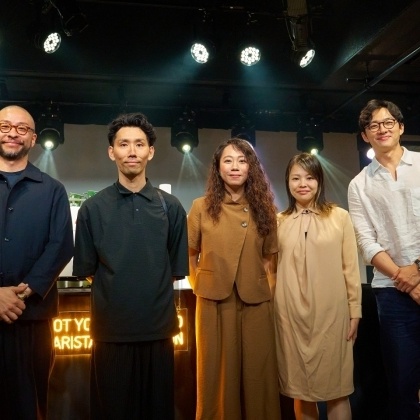
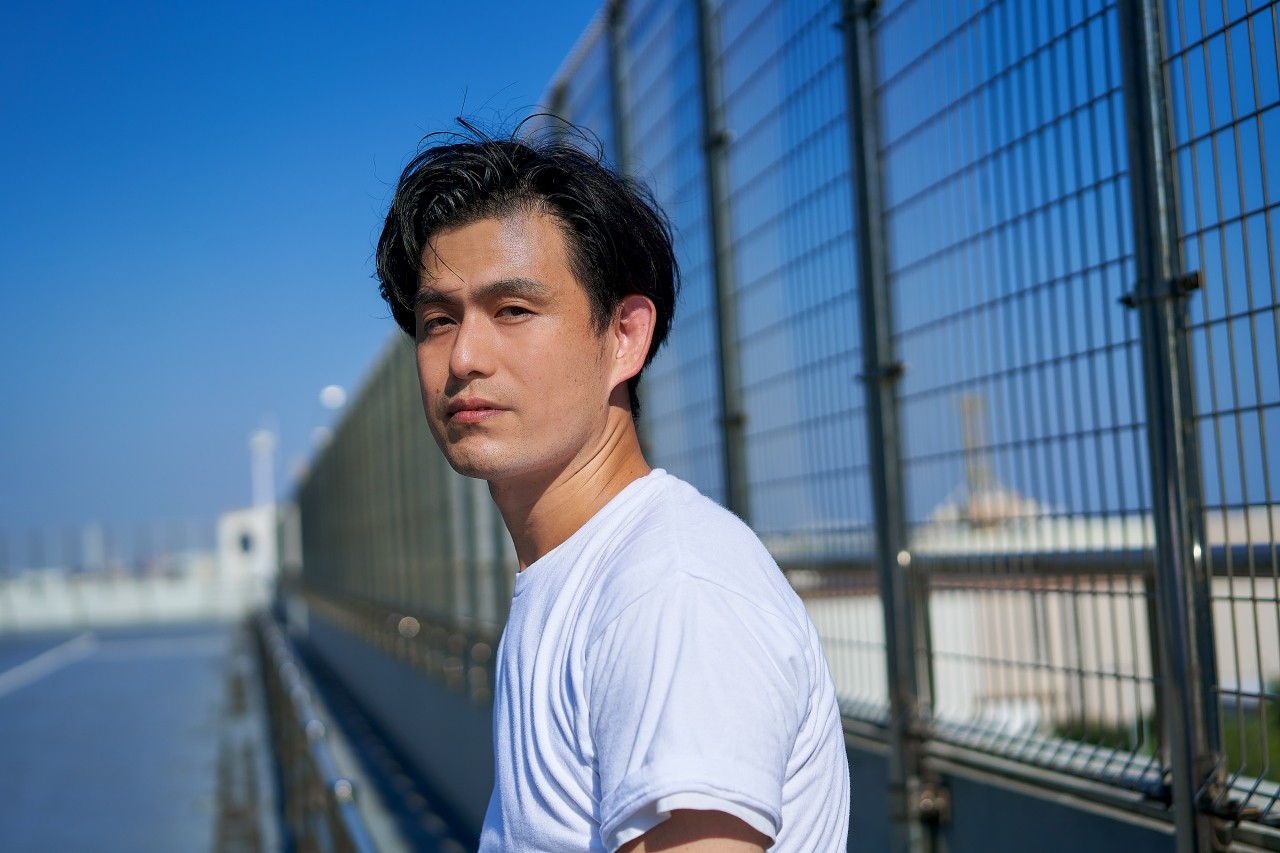
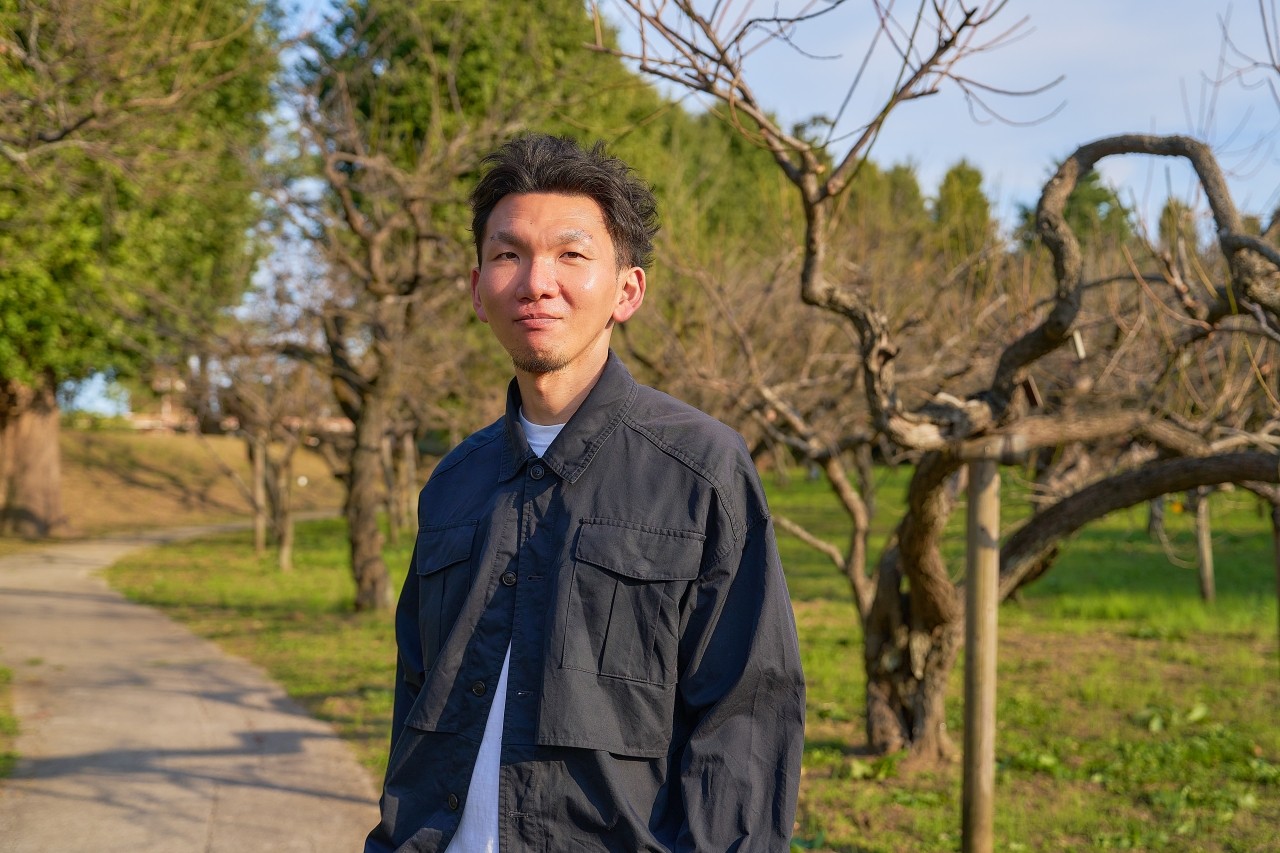
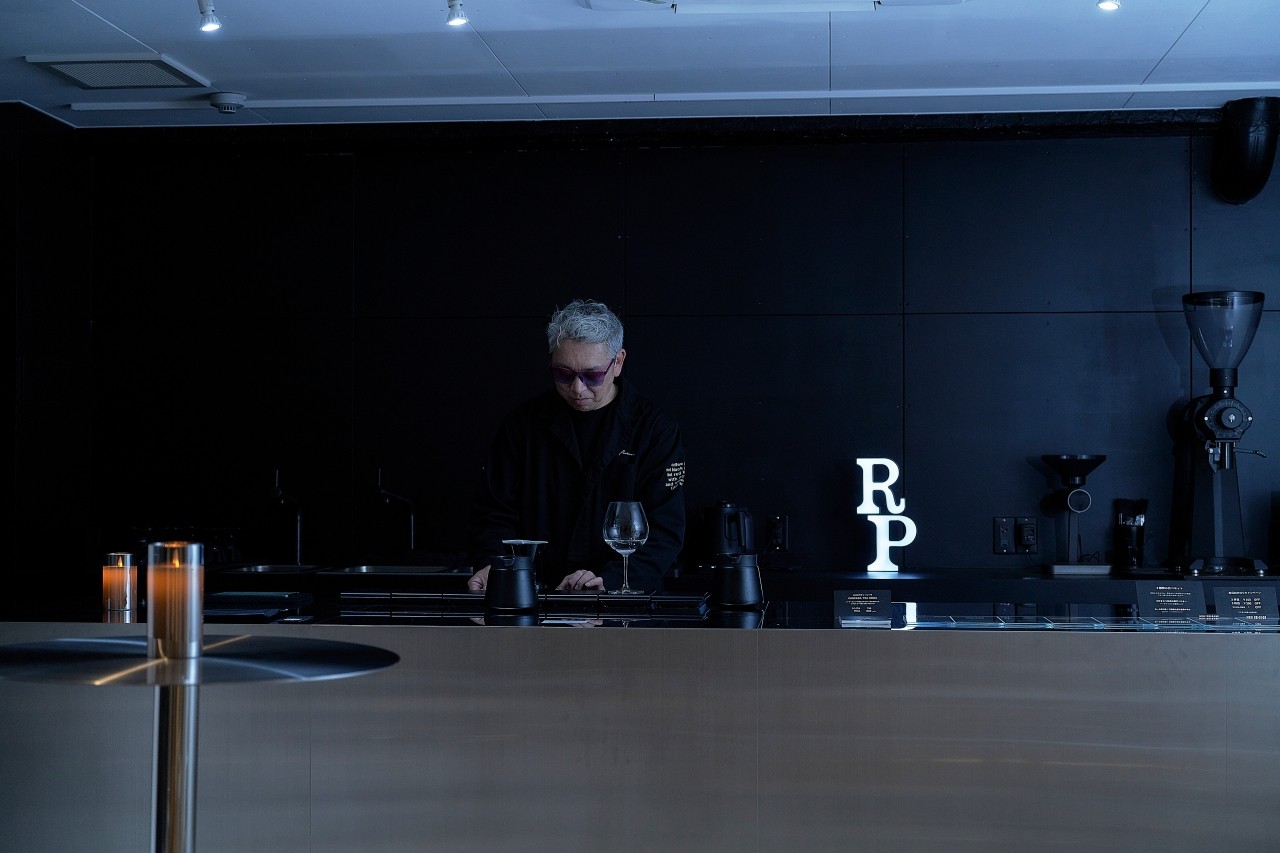
Surf Coffee (Kirill Gorelov & Vasilina Levina), who won this competition for the second year in a row; THE FLOATERS (Angelo Tan & Kai Peterson), a team of baristas from Kurasu; and THE VOLCANO BROTHERS (Ken Sakashita & Mutsumi Kodama), making their first appearance from Kagoshima—each chose this stage for different reasons and took away something different from the competition.
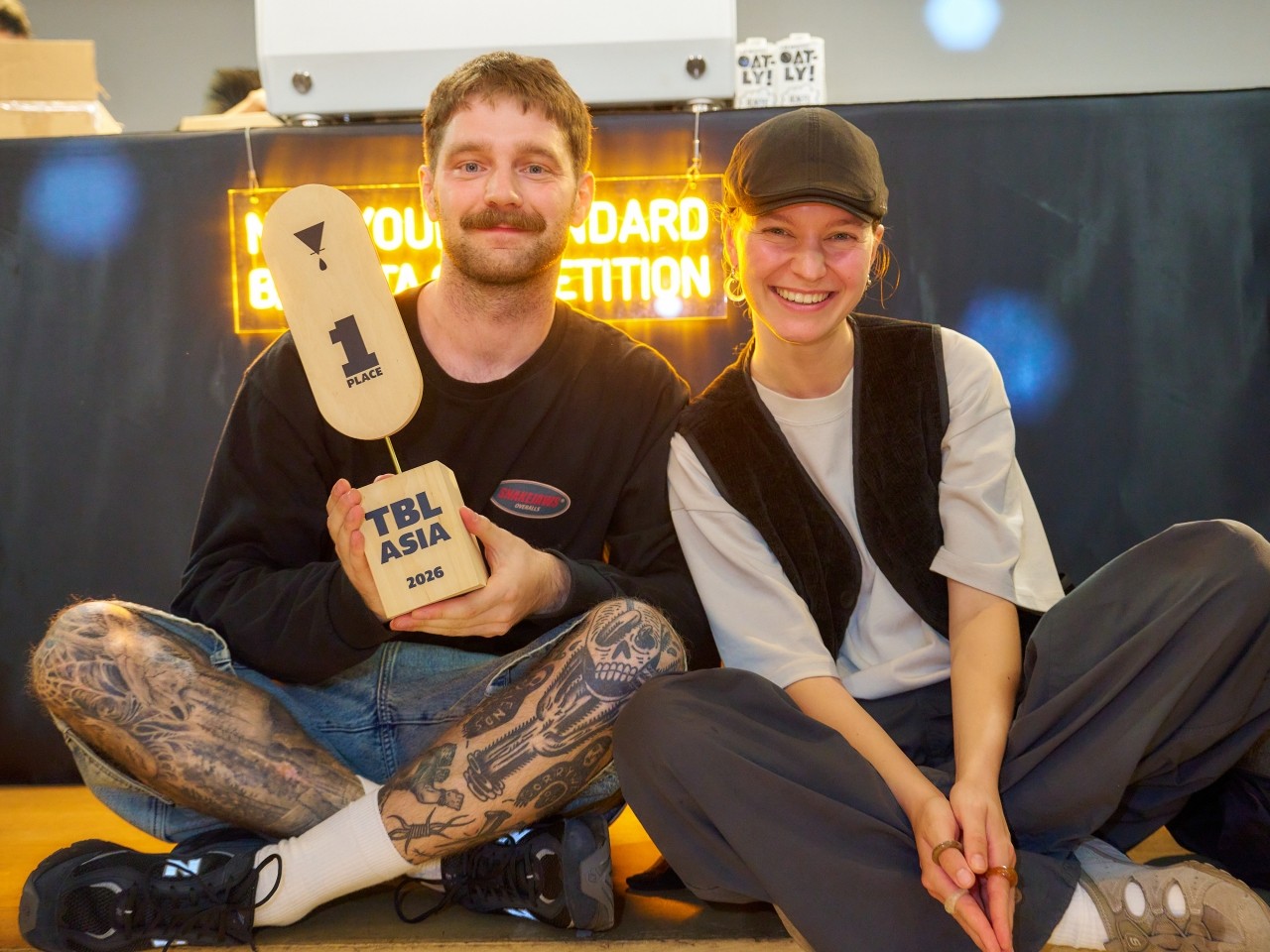
"Enjoy your meal," Surf Coffee returns to the Tokyo stage.
Surf Coffee, who were champions at last year's inaugural event, saw Russian surfers Kirill Gorelov and Vasilina Levina return to the Tokyo stage this year to claim their second consecutive victory.
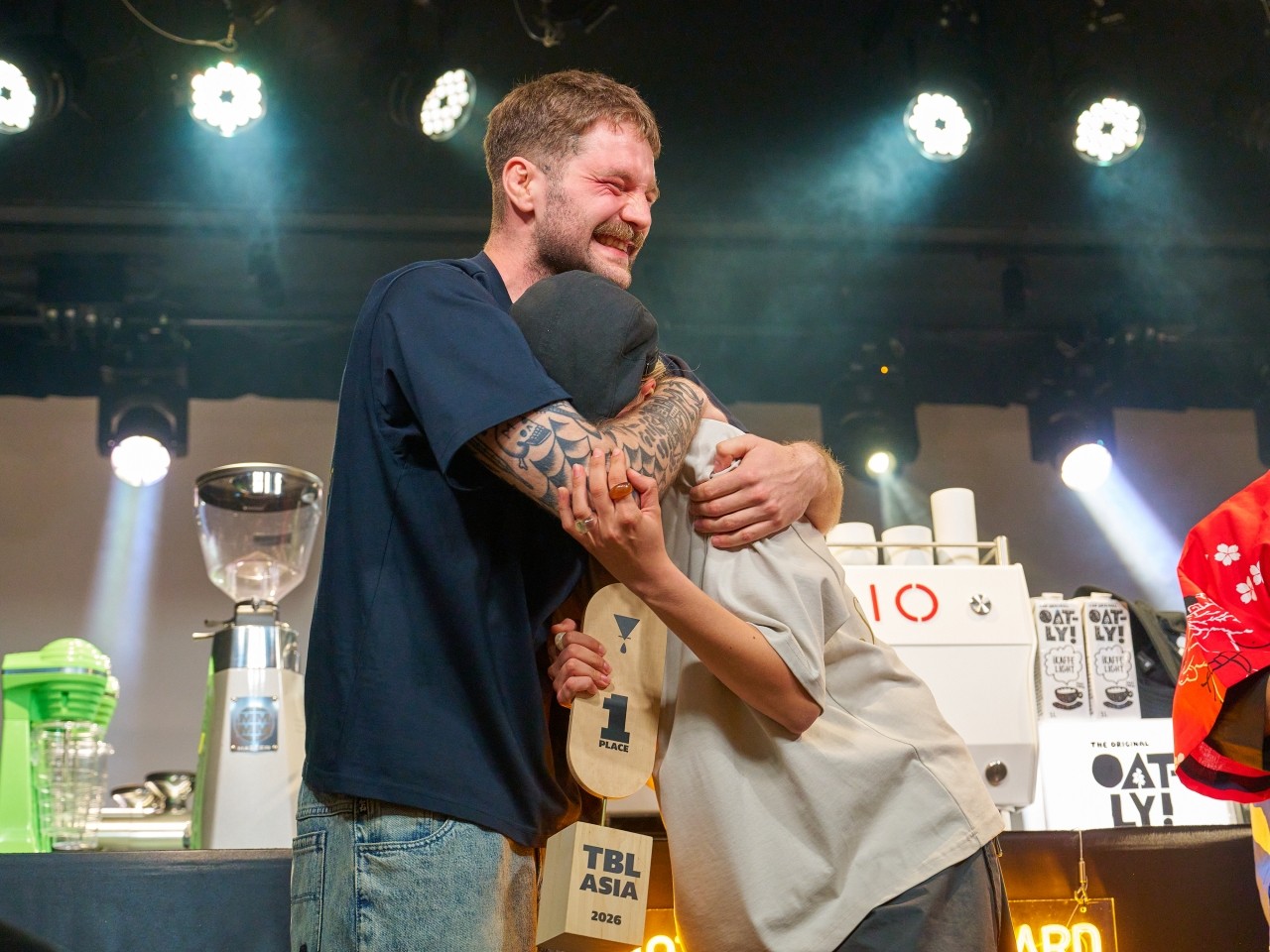
Last year, Surf Coffee gave their presentation in Japanese, but this year they chose English. The reason is simple.
"This year, I realized that not all of the judges speak Japanese, so I decided to speak in English so that they could listen comfortably. Last year, there were judges who didn't speak English, so I spoke in Japanese, but this year I chose English with the judges in mind."
However, I insisted on using Japanese for just one word.
"I just wanted to say, 'Please enjoy your drink' (laughs). This is Tokyo, after all, and although it's just a small phrase, it was an important way to show that 'we are in Tokyo right now, and we are making drinks for our customers in Tokyo.'"
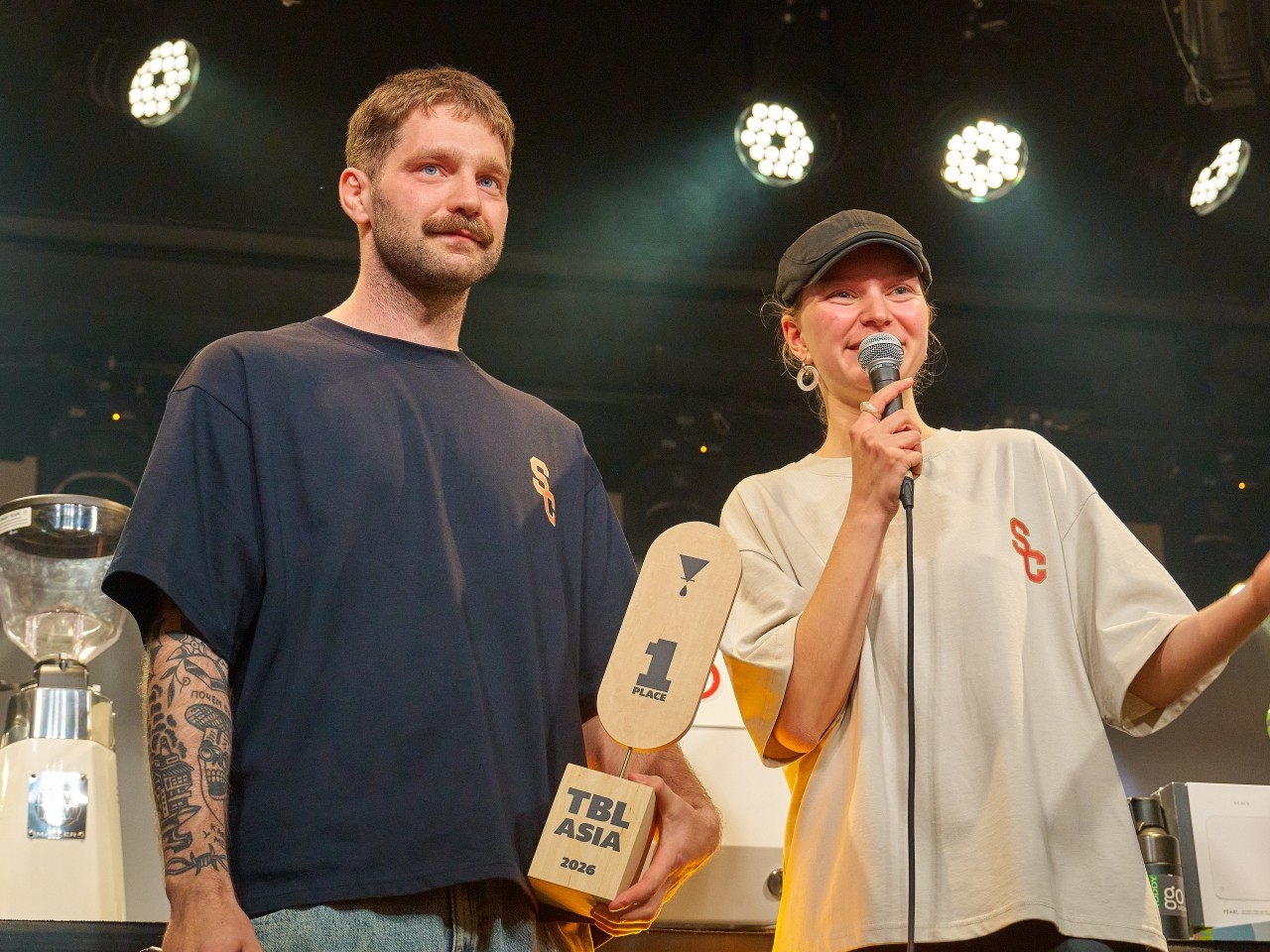
Having competed for two consecutive years, they can clearly discuss the changes in the competition. The biggest change this year is in the rules. "Previously there was a cup testing round, but this year it's just presentations," Kirill says, and Vasilina adds:
"Overall, I got the impression that the rules were more refined and structured. It became clearer what you should and shouldn't do. Comparing this time to the last time, I feel that the Barista League has grown significantly as a competition."
The live streaming was also well-received. "Last year, my friends were the only ones who filmed the videos. This year, we had a professional production team and live streaming, which was truly wonderful. Last year, the instructions and rules for preparation were insufficient, but this year they were properly organized, allowing the competitors to create better presentations. I'm really grateful to the Barista League organizing team."
What lay beyond the victory: A year in which coffee connected the world.
What has the past year been like for Surf Coffee since winning last year?
From guest shifts at dotcom coffee in Asakusabashi, Tokyo, to a pop-up at Hitch Bicycle Club Coffee in Seoul, the connections forged at the Barista League have led to new work opportunities. "Winning made it easier for customers to understand 'who we are and what we do.' Winning has opened up opportunities to realize interesting projects."
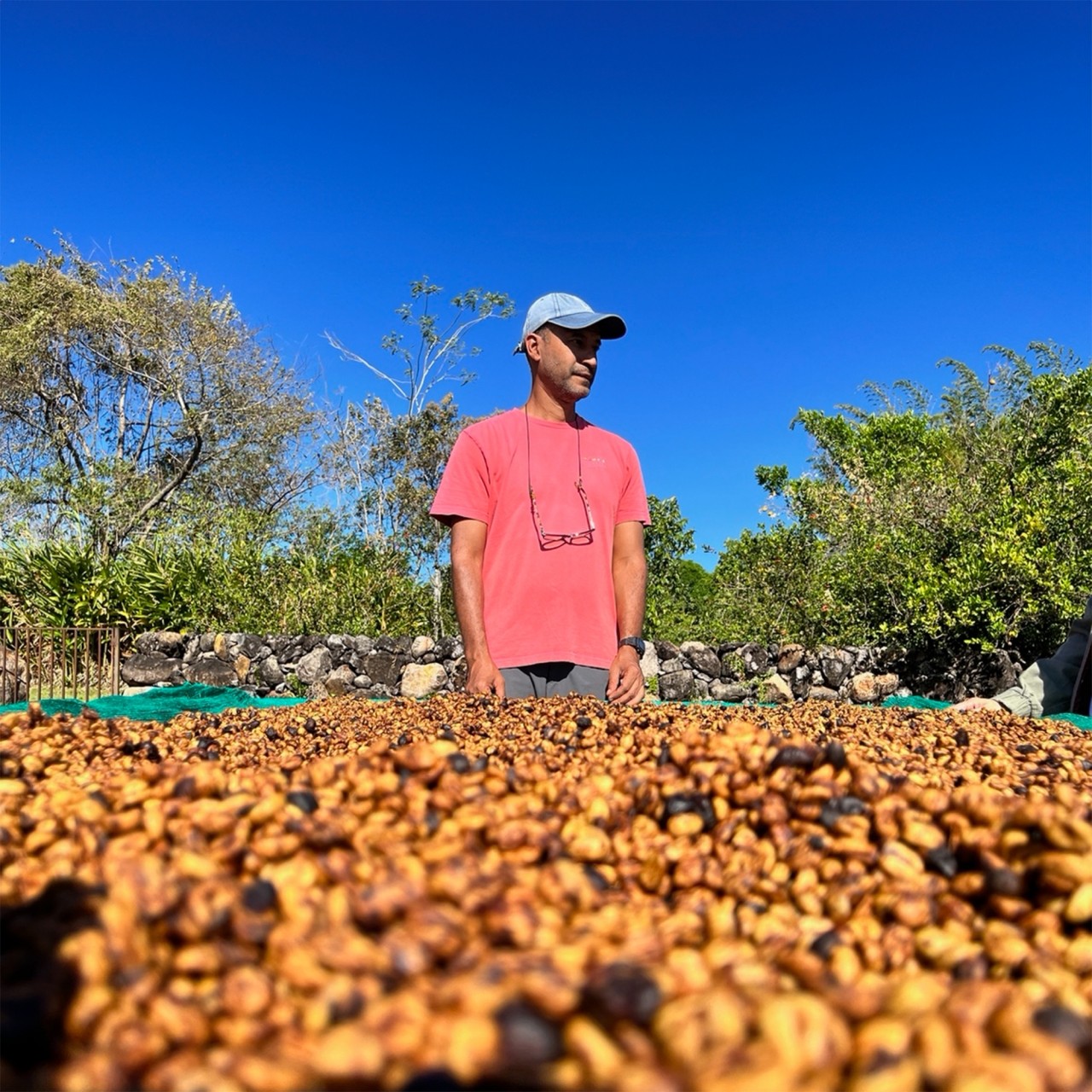
Furthermore, a visit to a coffee plantation in Mexico, which was made possible as a prize for winning the Barista League, fundamentally changed my approach to coffee.
"My dream has come true. I'd never been to a coffee-producing region before, so it's always been a dream of mine. Seeing it with my own eyes and experiencing every step of the coffee production process, I truly realized how much hard work goes into this one cup of coffee. Seeing the people who do this work every day filled me with emotion. I can't quite put it into words..."
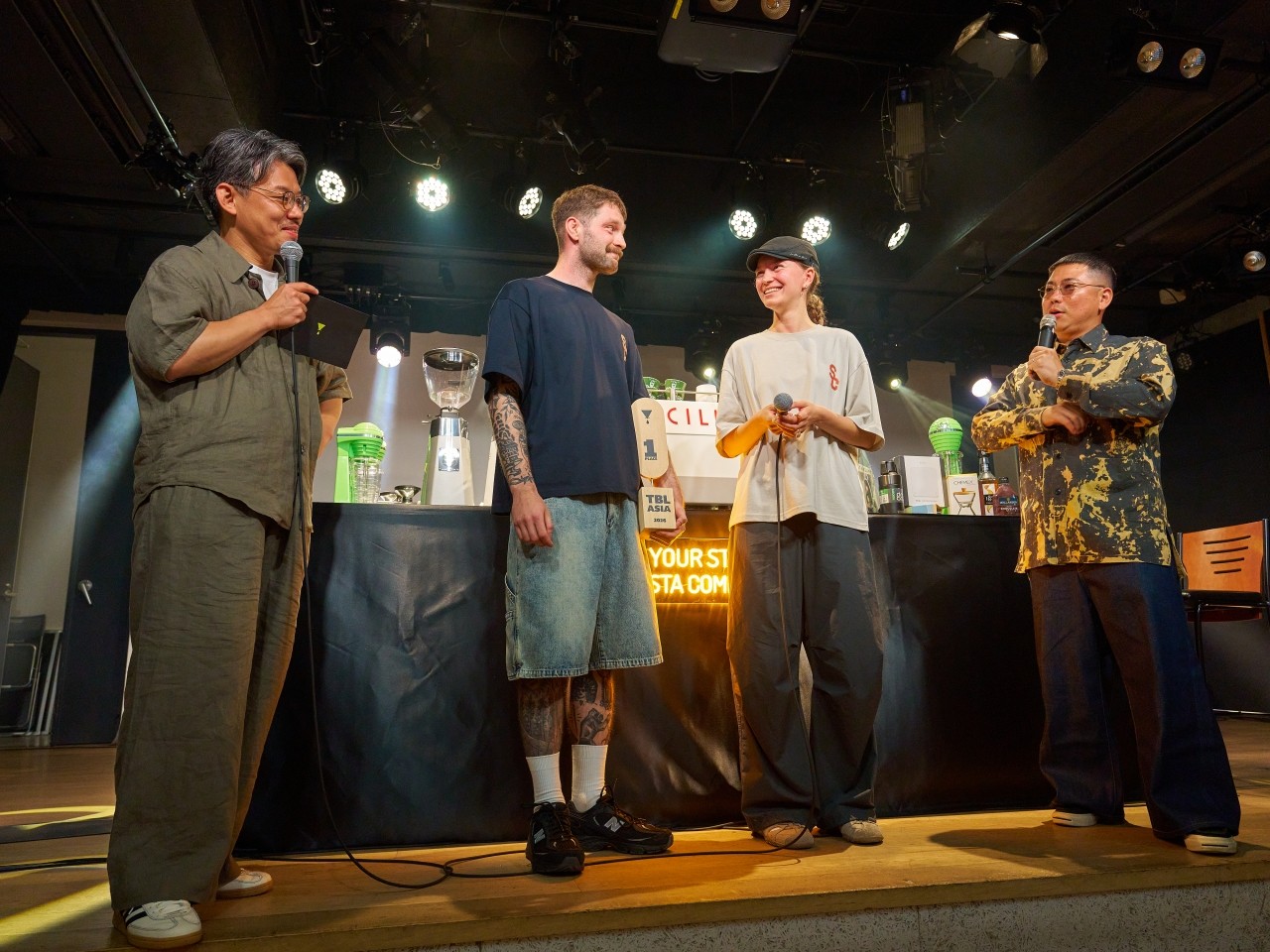
Vasilina added, "I am truly grateful to the Barista League teams for this event and the prizes. Mexico was a beautiful country with beautiful people."
"Delicious food goes well with delicious coffee! I tried a lot of local coffee in Mexico. I even met a national champion and had him make me drinks during a guest shift. It's a connection that the barista league helped me make," Kirill continues.
"I truly felt firsthand that the whole world is connected by coffee."
That experience changed the way I talk about coffee.
"I want more people to enjoy coffee and to show respect for it. I want more people to know how many people and how much effort goes into getting a cup of coffee into that cup. I hope that people will continue to enjoy coffee as a product, while also developing a greater appreciation for the things behind it."
At the end of the interview, I asked, "Would you be willing to come back next year?" Kirill answered immediately.
"I'm already thinking about it (laughs). It's becoming a tradition."
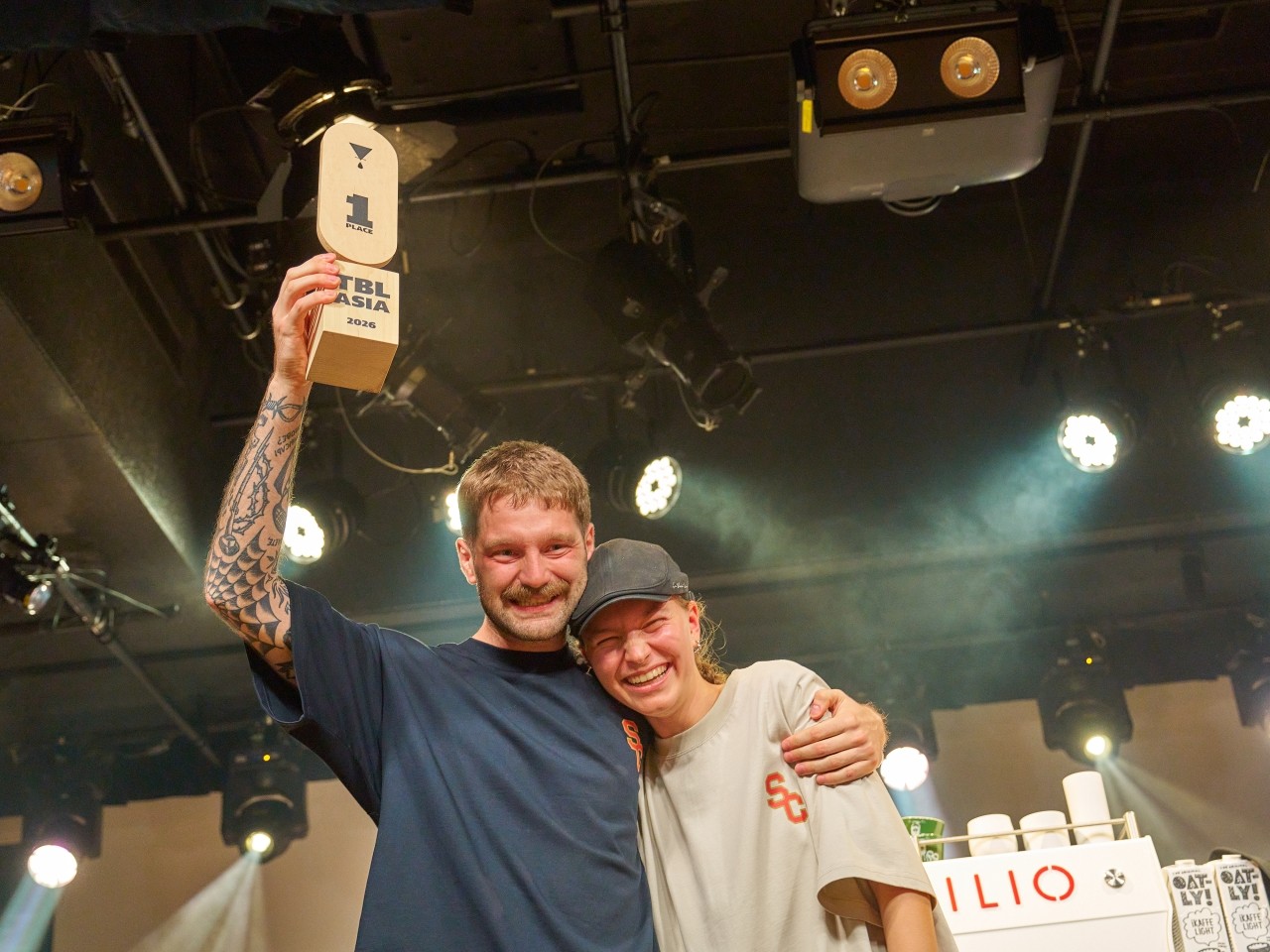
THE FLOATERS was a place where I could truly focus on my barista skills.
THE FLOATERS, a duo formed by Angelo Tan and Kai Peterson from Kurasu, were performing in their first full-fledged stage competition.
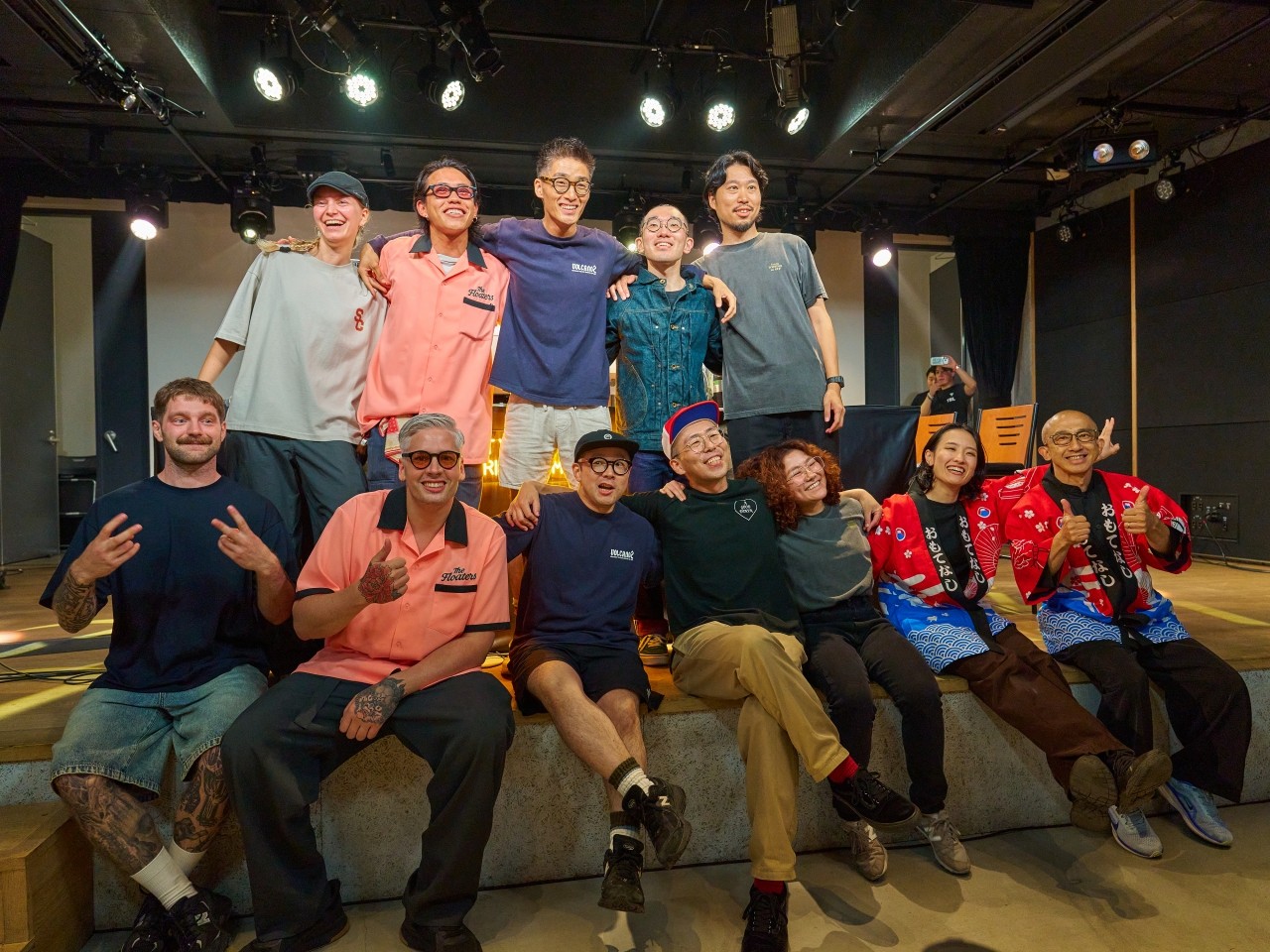
"It was a truly wonderful experience. It's great to be with amazing baristas who are working just as hard as I am, and I think this event is a place where baristas can get to know each other, talk, and strive to become the person they want to be in the future." (Angelo)
"It was a competition where we could stand on stage and take on challenges, but the atmosphere was just so much fun. All the other baristas were great, and the preparation period was really enjoyable. There was absolutely no tension among the Barista League teams or the other competitors. You can seriously challenge yourself on stage as a professional while also having a great time. It was wonderful how they managed to do both." (Kai)
Angelo speaks frankly about the differences between this and a regular competition.
"Regular tournaments are strict and intense, making them difficult for the average person to approach. Even for someone who drinks coffee and wants to learn more about it, it feels like the door is closed."
What Kai particularly appreciated was the "compulsory coffee" system, where all teams use the same coffee.
"I've also participated in the Barista Championship, and I believe that focusing on coffee is, of course, important and should be the case. However, the price of rare coffees is gradually rising, and I feel that this is creating an unfair situation for competitors with limited budgets. In the Barista League, there is a system called 'compulsory coffee' where all teams use the same coffee, and I think that truly created a fair competitive environment." (Kai)
"Previously, the question arose: 'Did that team win because their coffee was good, or because they had truly excellent baristas?' But the Barista League is a system that really allows us to focus on our skills as baristas," (Angelo)
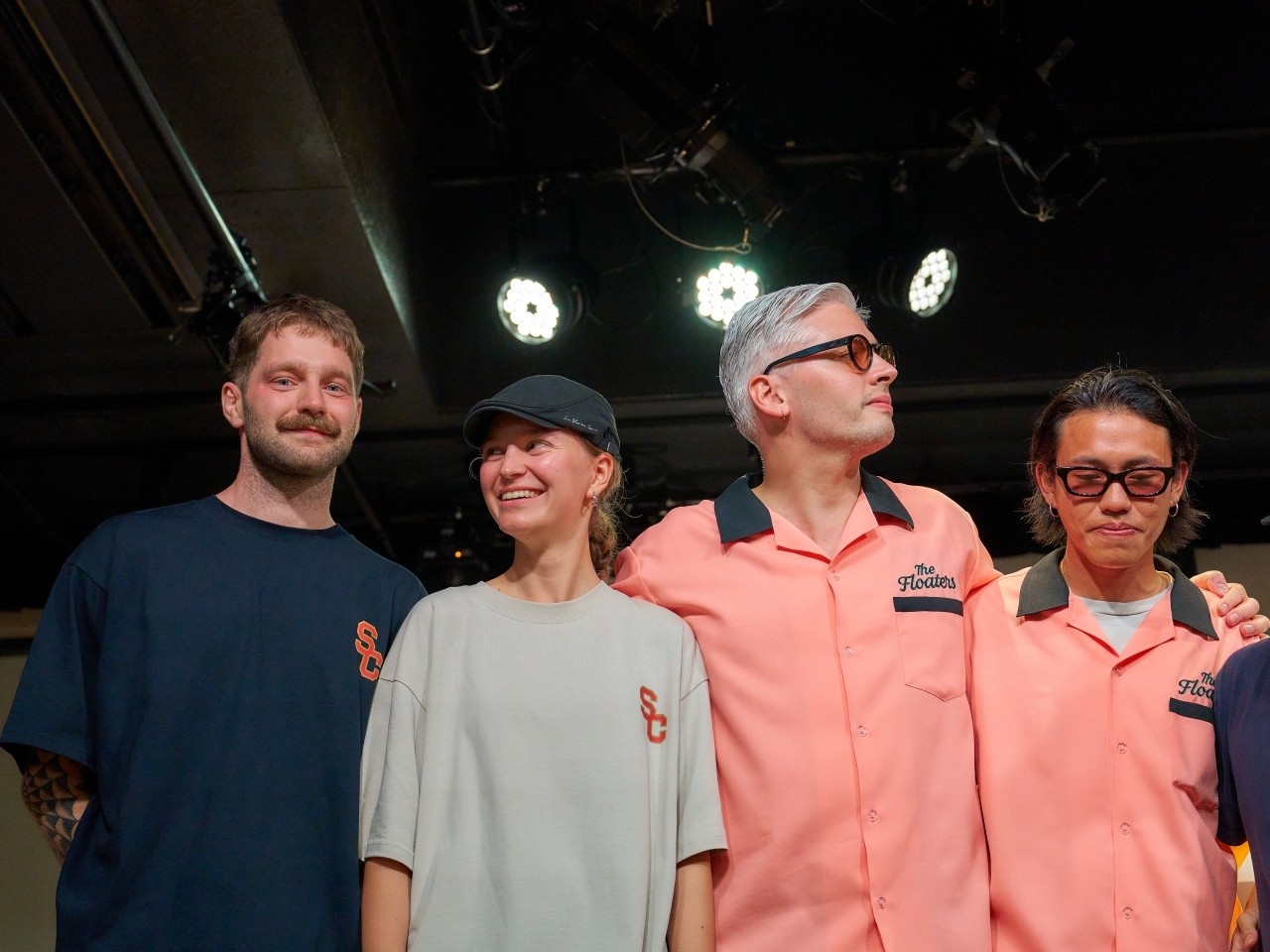
What the two of them hope for in the future of the coffee industry is simple.
"In this age of social media and information overload, I feel like we tend to overcomplicate coffee. But what customers really look forward to is having a good time and having a wonderful barista to guide them through that experience. Of course, the quality of the coffee is important, but 'human connection' is just as important. Cafes are places where people meet. I hope the industry will become one that further enhances the hospitality of baristas." (Angelo)
THE VOLCANO BROTHERS, a competitor with an organizer's perspective, came all the way from Kagoshima to Manabu
Ken Sakashita and Mutsumi Kodama are based in Kagoshima. They are also professionals in the coffee event industry, as they organize their own coffee competition, the "Kagoshima Volcano Brewers Cup."
What were their impressions of the event when it was first held in Tokyo last year?
"When the Barista League came to Japan last year, it was very low-key, and I wondered if it would be okay," (Ken)
As the competition spread on social media, I decided to apply this year. "I saw it on Instagram and thought it looked interesting. We also run a coffee competition in Kagoshima, so I wanted to incorporate the idea that an entertaining competition can reach people beyond just coffee lovers. I've been on the organizing side for the past year or two, so I wanted to challenge myself as a competitor as well, which is why I applied."
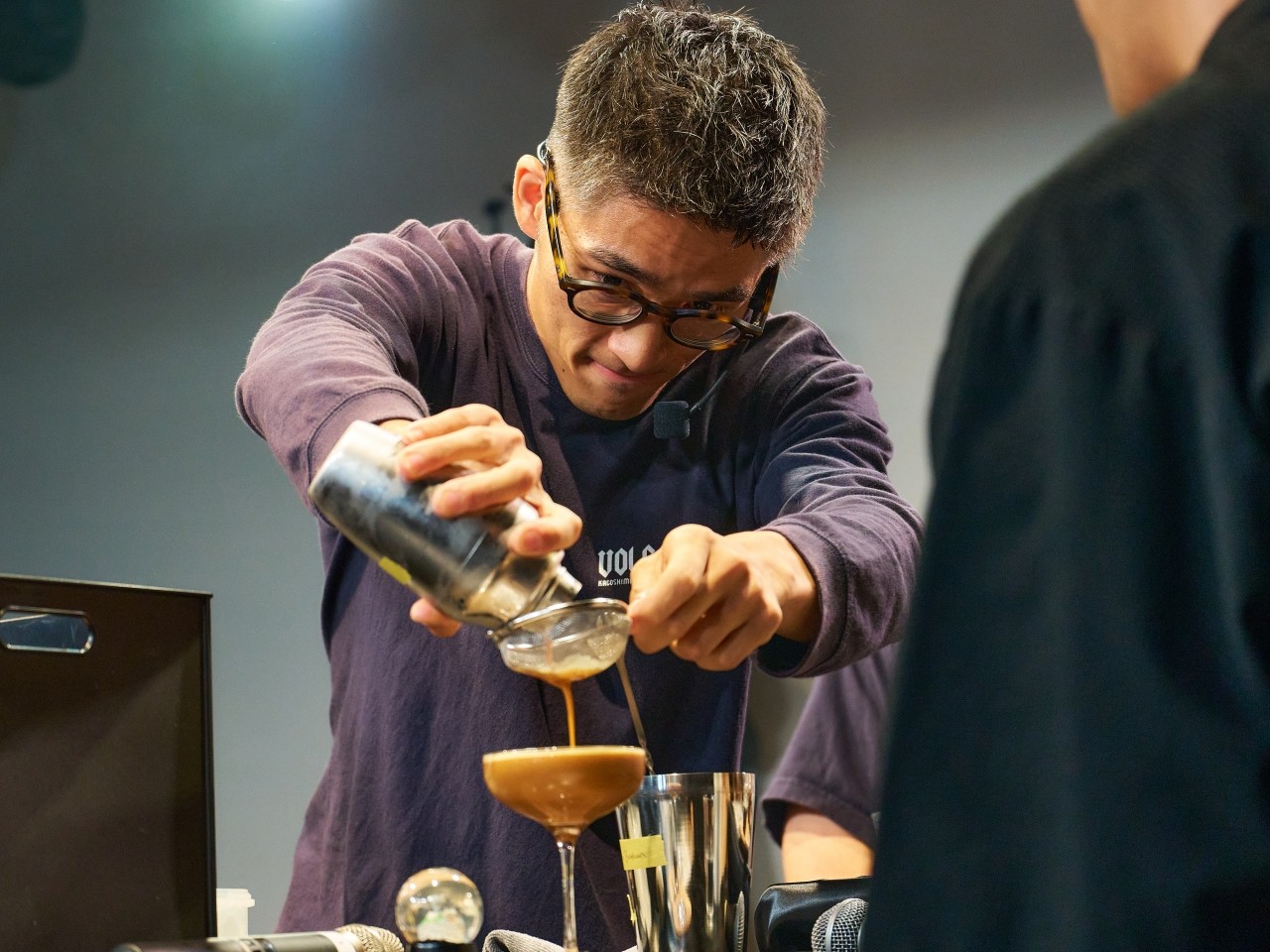
When asked about his impressions after actually participating, Ken immediately replied, "I feel like I have room to improve." Mutsumi quickly followed up with, "I mean in terms of my own personal experience," which lightened the mood.
From the perspective of someone with experience organizing events, what particularly impressed me was the design of the live streaming and collaborations.
"Setting up the environment for live streaming is quite difficult; you can't reach people without the right equipment. This time, the Barista League collaborated with an influencer, and I realized that collaborating with people from other channels has a ripple effect. Just by involving more people, the denominator seems to increase, so I thought that's something I'd like to do, similar to Shin ." (Ken)
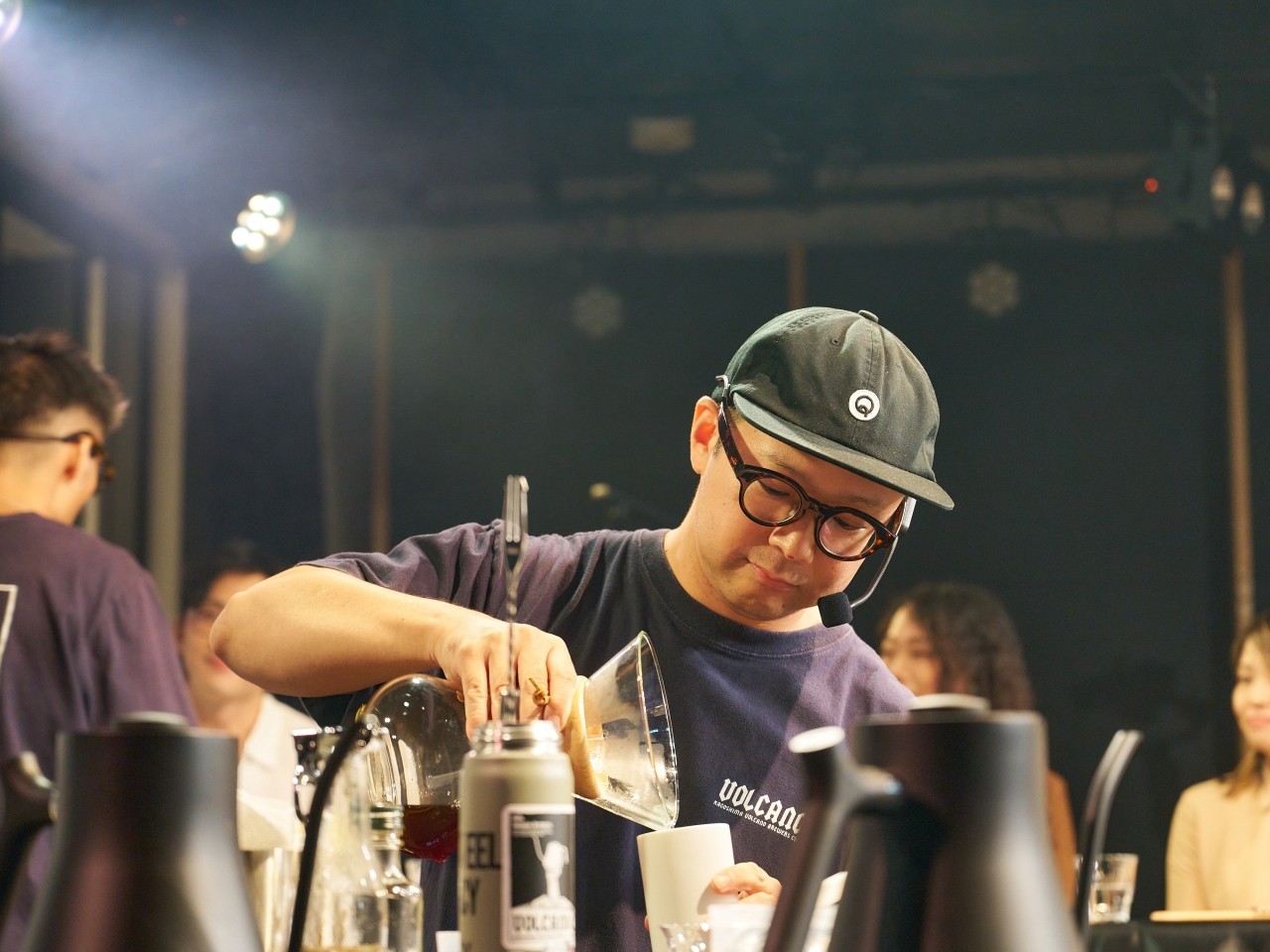
There was also mention of the MC who enlivened the tournament. "I came to Manabu Izaki-san's MCing (laughs). It's no exaggeration to say that the tournament wouldn't be the same without Izaki-san's MCing," (Mutsumi)
"In a way, they're kind, and they'll help out a little if someone who's participating in a competition for the first time gets stuck," (Ken)
This time, Manabu 's visit to Tokyo is envisioned as a way to give back to Kagoshima.
"When outsiders praise our products, the people who are already here realize, 'Our place is really that great.' In Kagoshima, attracting outsiders has that kind of significance. If the quality isn't high at that point, they'll just give up on us." "I hope that coffee will be a starting point for connecting with other good things in Kagoshima, and that more of Japan's 'good things' will be shared with the world." (Ken)
Coffee events can become gateways to open up communities—when this cycle begins to take hold not only in Tokyo but in various other regions, the Japanese coffee scene is sure to grow even larger.
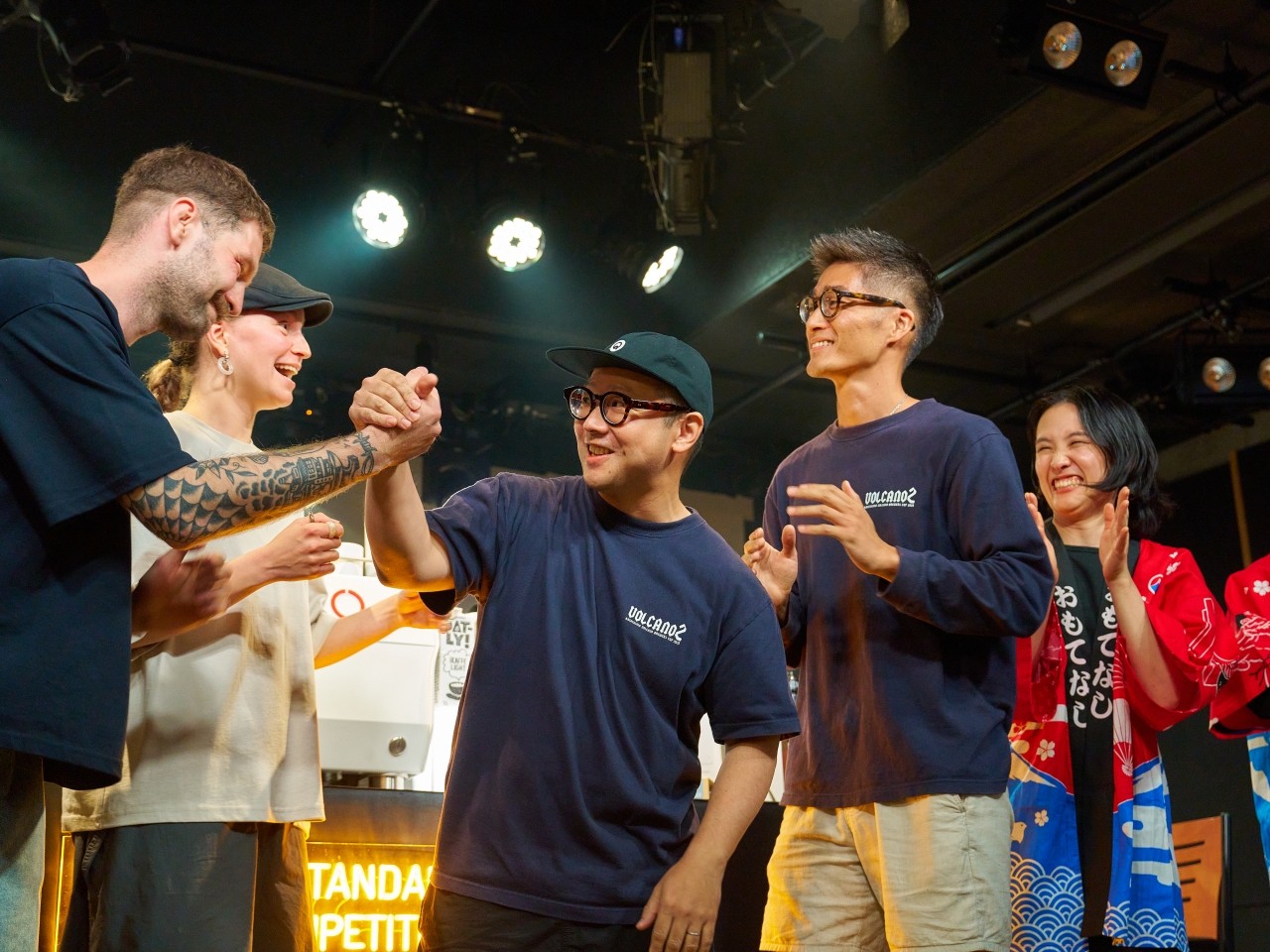
Reflections after the tournament
I participated in Barista League Asia 2026 as a judge, a reporter, and simply as a coffee lover. I've never been involved with this event in such a multifaceted way as I was this year.
I want to express my respect once again to everyone involved. Competitors, judges, MCs, organizers, roasters—that day was made possible by everyone who gave their all in their respective roles. Having organized a coffee festival myself, I deeply understand how difficult it is to make an event of this scale a reality. That's why my respect for everyone involved in the operation is immeasurable.
This year, the event started at 2 PM on a weekday, and it seemed like there were fewer attendees than last year, but the enthusiasm of those who were there was genuine. People deeply involved in the coffee industry came to see the event from their own perspectives. The level of attention it receives remains high.
After being held in Tokyo twice, I can feel that this event is definitely taking root. It's a different feeling from the fresh excitement of last year; it feels like it's becoming established. There's also the significant context of the WBC being held in Tokyo next year. I'm confident that when the Barista League goes on for the third time, it will be a level of excitement unlike anything we've seen before.
"The more support we receive from the coffee community, the better we can give back to our baristas. The more we give to baristas, the better they can perform their best work."
--Vasileia Fanarioti (TBL Project Manager)
To expand and strengthen that cycle—that is the future that the Barista League aims for, and we want to watch its progress unfold.
Interview and text by Shohei Yamamoto ( CROWD ROASTER )
If you want to enjoy coffee more deeply
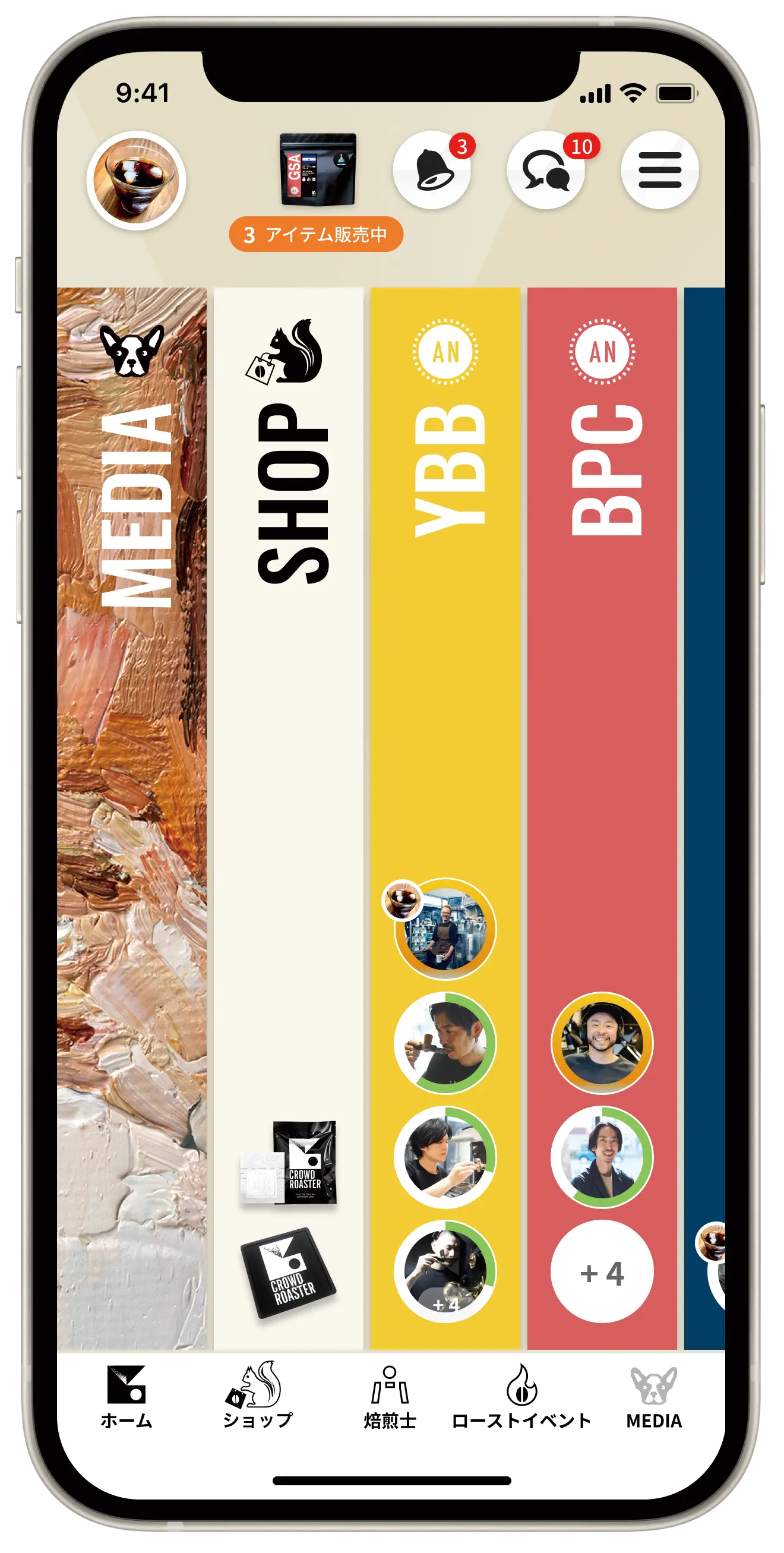
" CROWD ROASTER APP"
Manabu at CROWD ROASTER LOUNGE
・Push notifications for article updates・Full of original articles exclusive to CROWD ROASTER
・Direct links to detailed information about green beans and roasters
App-only features
- Choose green beans and roasters to create and participate in roasting events・CROWD ROASTER SHOP: Everything from beans to equipment is readily available
・GPS-linked coffee map function
Download the official app here