The country that cultivates "golden beans." The deliciousness and trustworthiness I experienced during the cupping session at the Costa Rica booth at SCAJ 2026 [SCAJ2026]
From October 14th to 17th, 2026, SCAJ 2026, Asia's largest specialty coffee event, was held again this year at Tokyo Big Sight. This exhibition, where producers, importers, roasters, and equipment manufacturers from all over the world gather, is like a "coffee world expo."
This time, I was invited to a booth run by the Embassy of Costa Rica in Japan, where I had the opportunity to cup Costa Rican coffee and talk with local people.
This time, I was invited to a booth run by the Embassy of Costa Rica in Japan, where I had the opportunity to cup Costa Rican coffee and talk with local people.
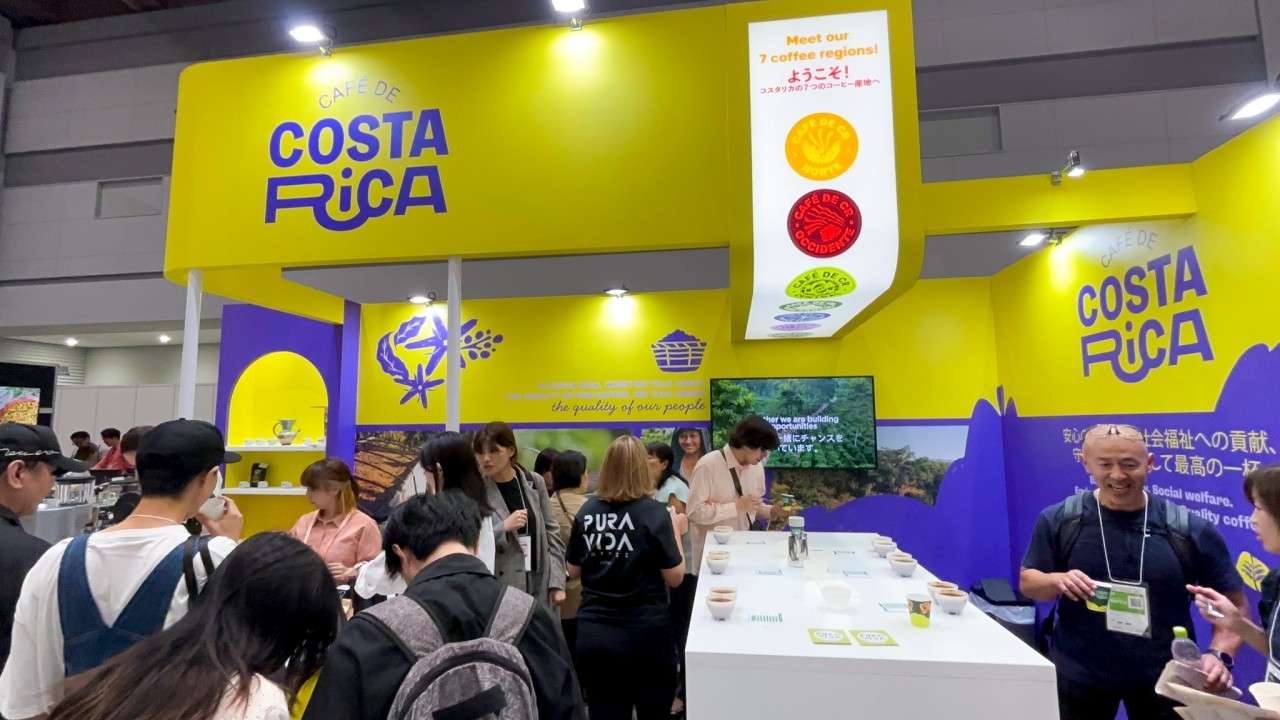
When I arrived at the booth, I was in Latin America.
Stepping into the booth, the atmosphere instantly transforms into that of Latin America. We were greeted by Tico-chan, the official mascot character of the Costa Rican Embassy in Japan. Cupping sessions were held every hour throughout the event, and preparations for the next session were bustling about.

This is Costa Rica's second consecutive year exhibiting at SCAJ. In fact, last year's exhibition marked their return after an eight-year absence.
"From Costa Rica's perspective, the Japanese market is very important. We want to put more effort into it and deliver delicious coffee to everyone. We exhibited again this year with the hope of letting more people know about our coffee," (Booth representative)
The producer who was also present said, "Japanese people love specialty coffee. Costa Rica has plenty of delicious coffee. Please come and visit!"
An impressive lineup that exceeded expectations.
The cupping session began in a bright, Latin American atmosphere, with everyone chatting and laughing with the embassy staff. Apparently, a wide variety of coffees had been brought to the booth, but in this session, we tasted six varieties from a particular farm, together with CROWD ROASTER 's Q Grader.
The first thing that surprised me was its freshness. I heard that it was roasted in the producing country specifically for this event, but even taking that into account, it had a very vibrant feel, which made me imagine that the green beans were being stored and managed properly at the source.
When I think of Costa Rican coffee, the first things that come to mind are its rich sweetness and the complex acidity derived from its processing methods. Since the 2000s, Costa Rica has become known as a country where "micro-mills," where producers own their own processing facilities, have spread, and through a variety of processing methods, including the honey process, they have been able to produce an astonishingly wide range of flavors even from the same variety. This lineup consists of impressive lots that are packed with these strengths of Costa Rica. To be honest, I encountered cups that exceeded my expectations.
My personal favorite was the Natural Reposado made from the JAVA variety. At high temperatures, it had a bright, fruity aroma reminiscent of roses and blueberries, which gradually transformed into melon, then spices and cocoa nibs as it cooled, resulting in a deeply sweet and expressive cup of coffee that lingered until the very end.
JAVA is a variety derived from an indigenous Ethiopian species, but it belongs to a different group than Geisha , even though they are both Ethiopian (reference: Coffee Fanatics "Asian Varieties"). And "Natural Reposado" is a laborious process that involves deliberately letting the coffee rest (rest) in bags or tanks for a certain period during the natural fermentation process. It was clear that the unique characteristics of the variety were properly captured, and that the fermentation and production processes were carried out with care.
Of the six wines I tasted, the one I rated the highest was beautiful, with aromas of red plum, citrus, honey, and floral notes that lingered nicely until it cooled, and a truly lovely contrast in acidity. Later, when I learned that it was the lot that won first place in the Cup of Excellence (COE), I couldn't help but understand why.
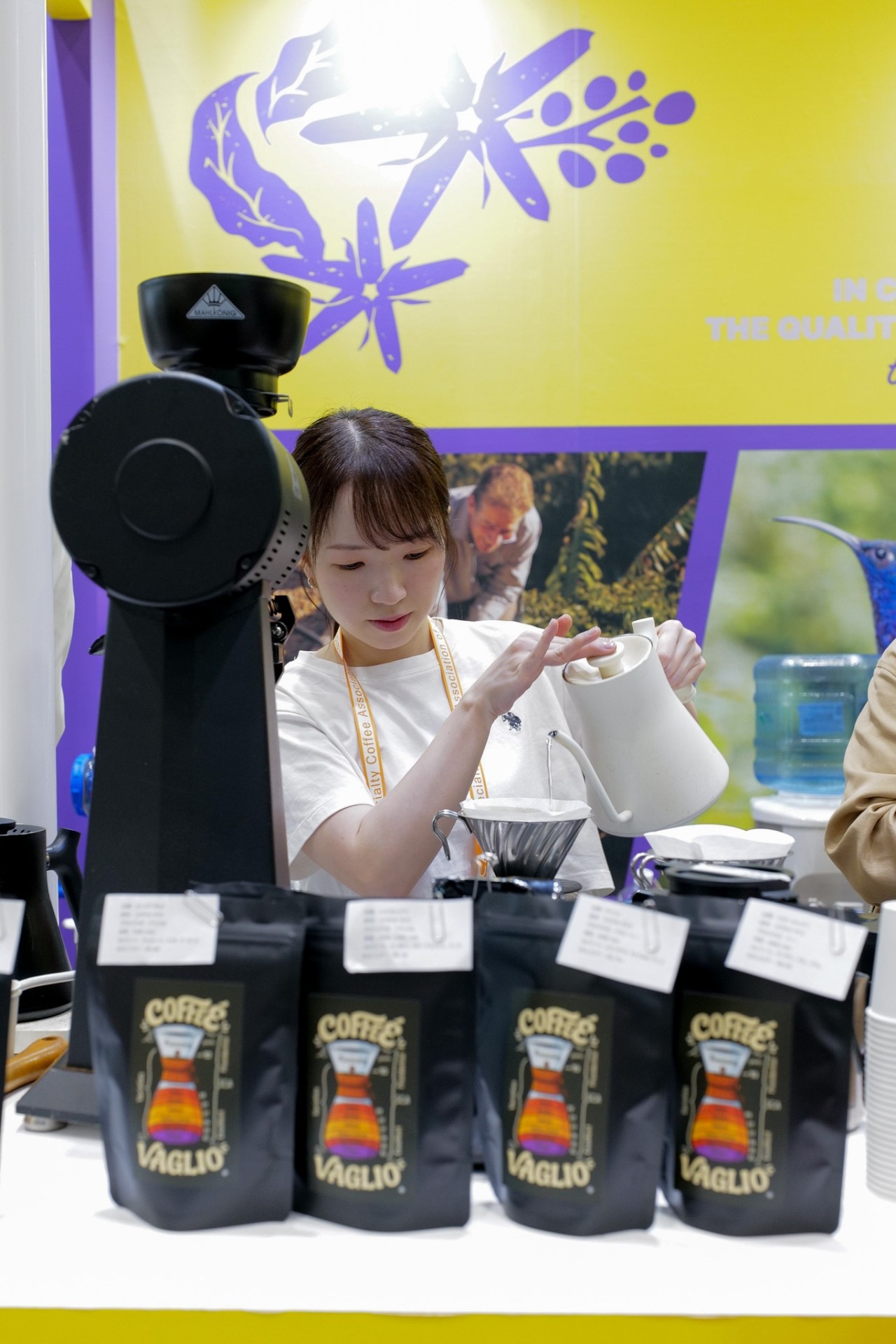
"Waiting until it turns Shin red" - a simple, repetitive process.
When I asked what he focuses on as a producer when making coffee, I received this answer through an interpreter.
"We are extremely particular about quality. First, we carefully select which varieties to grow. Then, when harvesting, we wait until the coffee cherries are fully ripe, Shin red, and in their best condition as coffee before picking them. This allows us to harvest sweet, high-quality coffee. We want to deliver better coffee to people all over the world."
Selecting the right variety and harvesting at peak ripeness. It sounds simple when put into words, but I was reminded once again that the rich sweetness I tasted in the cup was the result of carefully building upon each of these fundamentals.
Approximately 80% of the income goes to the producers. A fair system supported by law.
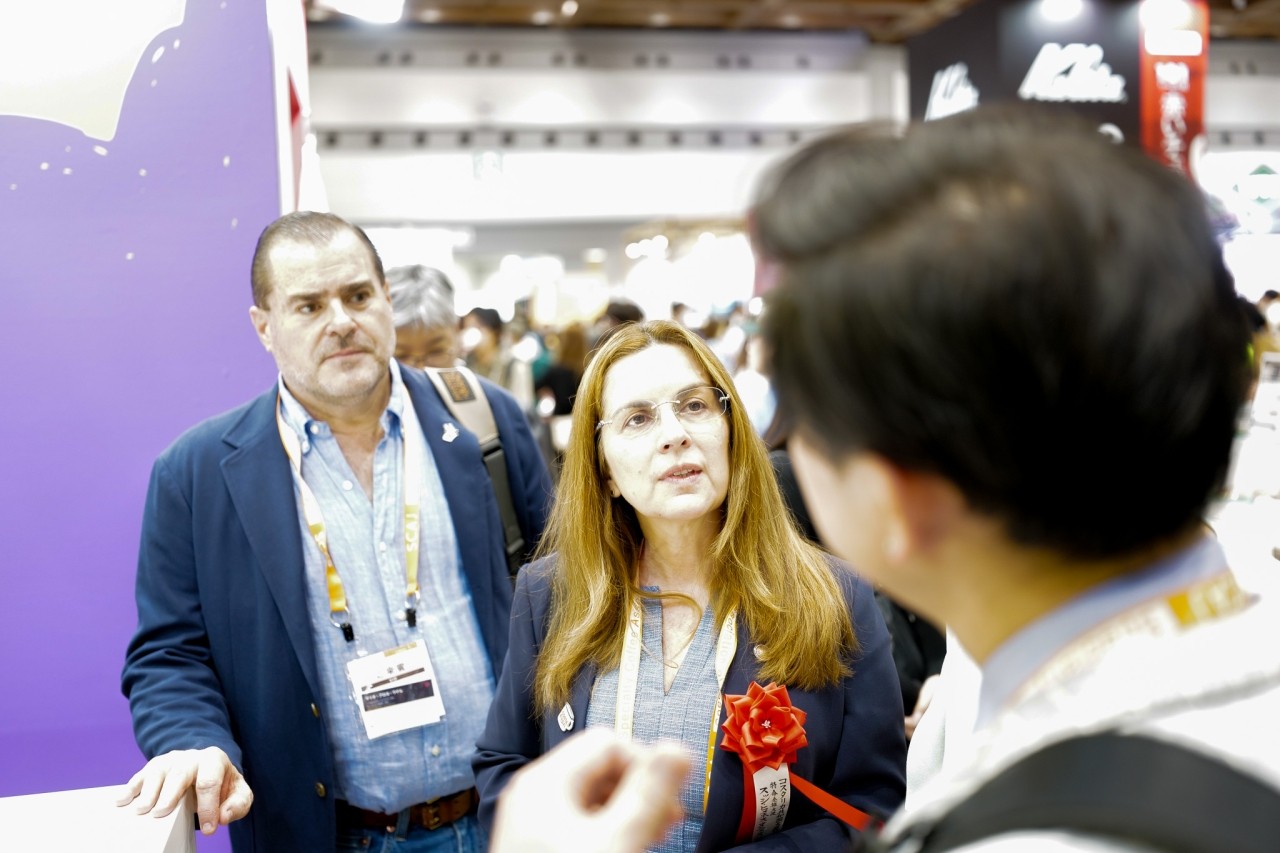
What particularly impressed me in this discussion was Costa Rica's approach to coffee. Coffee is an important export for Costa Rica, and specialty coffee, in particular, is said to be very important. The country has long been committed to sustainability and delivering "clean coffee."
This is supported by a system called "Law No. 2762".
"Costa Rica is a country that is quite unique in the world. Thanks to Law No. 2762, a large portion of the income is guaranteed to go back to the producers, and in terms of FOB (export price), approximately 80% goes to the producers. The country has clearly defined laws in place to protect the families of more than 27,000 producers," (Booth representative)
Upon further investigation, I discovered that this law, enacted in 1961, governs the relationship between coffee producers, processors, and exporters. The text doesn't explicitly state "80%." Instead, it sets limits on the profits of those other than the producers—for example, processors can only take up to 9%, and exporters up to 2.5%—allowing the remainder to reach the producers.
The organization responsible for managing this is the Costa Rican Coffee Association (ICAFE). All export contracts are registered with the ICAFE, and transactions at prices significantly below market value may not be permitted. The ICAFE acts as a national system to ensure that transactions are conducted transparently and fairly.
"In Costa Rica, that's just part of the job as a matter of course. That's why it's so easy for us to work here. It's a country that pays close attention to and protects human rights," (Booth representative)
Japanese coffee lovers are very concerned about whether the money they pay for each cup of coffee they drink is properly reaching the producers' livelihoods. It is because this foundation is in place through a national system that producers can focus on making delicious coffee. I think that high-quality coffee built on a foundation of safety and trust is an ideal model.
A country where approximately 6% of the world's living creatures inhabit just 0.03% of the land area.
The conversation also touched upon the natural beauty of Costa Rica.
"This small country, with a population of approximately 5 million, is home to about 6% of the world's flora and fauna. More than half of its land is covered in forests, and there aren't many tall buildings. It's a developed country, but it's so lush and green that it doesn't even feel like one," (Booth representative)
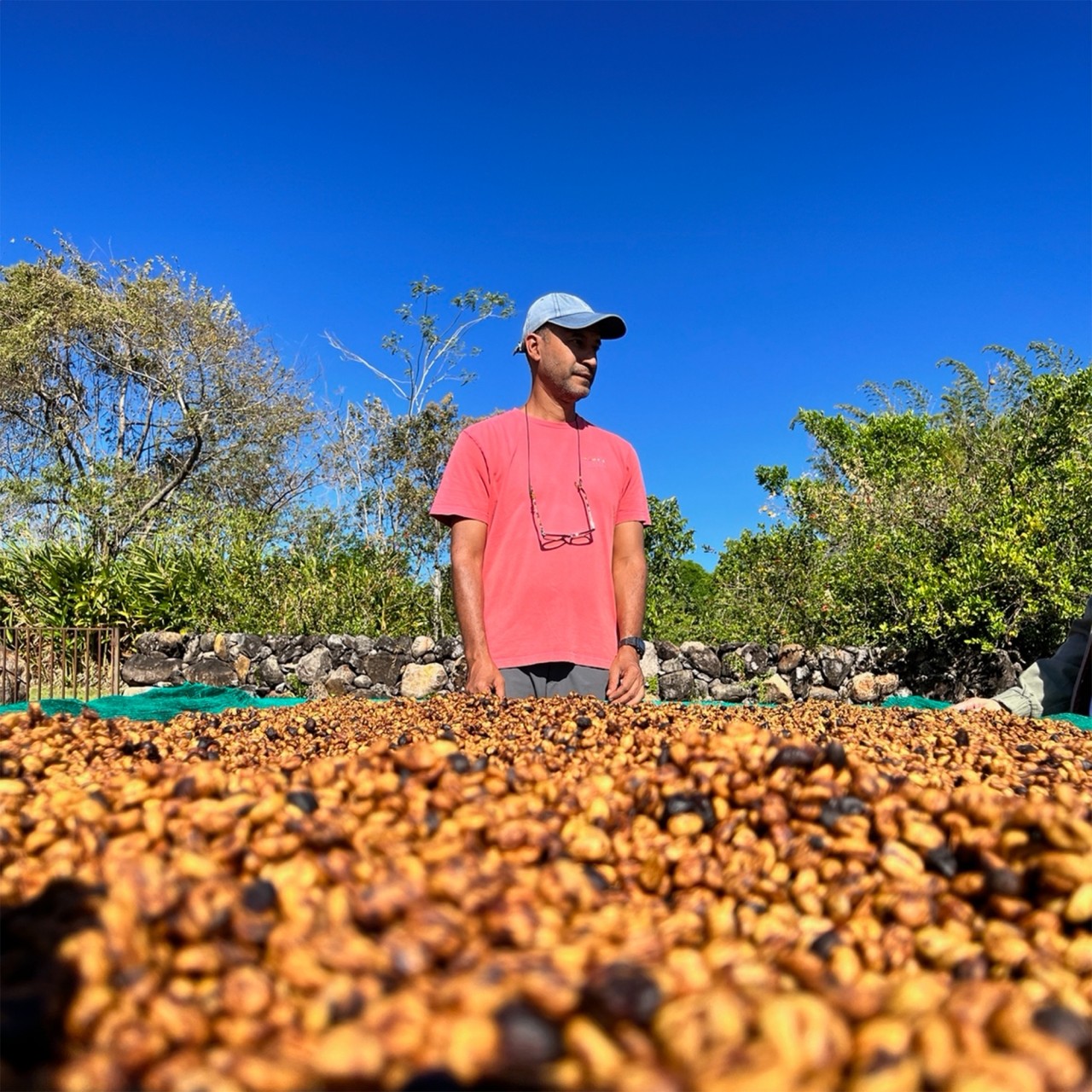
An astonishingly rich ecosystem thrives on a landmass that accounts for only about 0.03% of the Earth's landmass. In this land blessed with a favorable climate, people who live in harmony with nature cultivate coffee. I imagine that the cleanliness and clarity I felt from the cup are not unrelated to this environment.
A story resonates only when it is delicious.
At the end of the interview, I also shared these thoughts.
In today's world of specialty coffee, the stories behind production and sustainability are highly valued. However, these things only resonate with many people when accompanied by the delightful feeling of "deliciousness." This cup delivered both perfectly. That's why I'm truly grateful to the producers who have carefully put so much care into every aspect of its creation.
CROWD ROASTER aims to bring out the diverse facets of coffee by connecting with Japan's top roasters and having the same green beans roasted by various roasters. We hope to continue sharing the charm of Costa Rican coffee from various angles, which cannot be seen with just one roast.
What is contained in the "golden beans"?
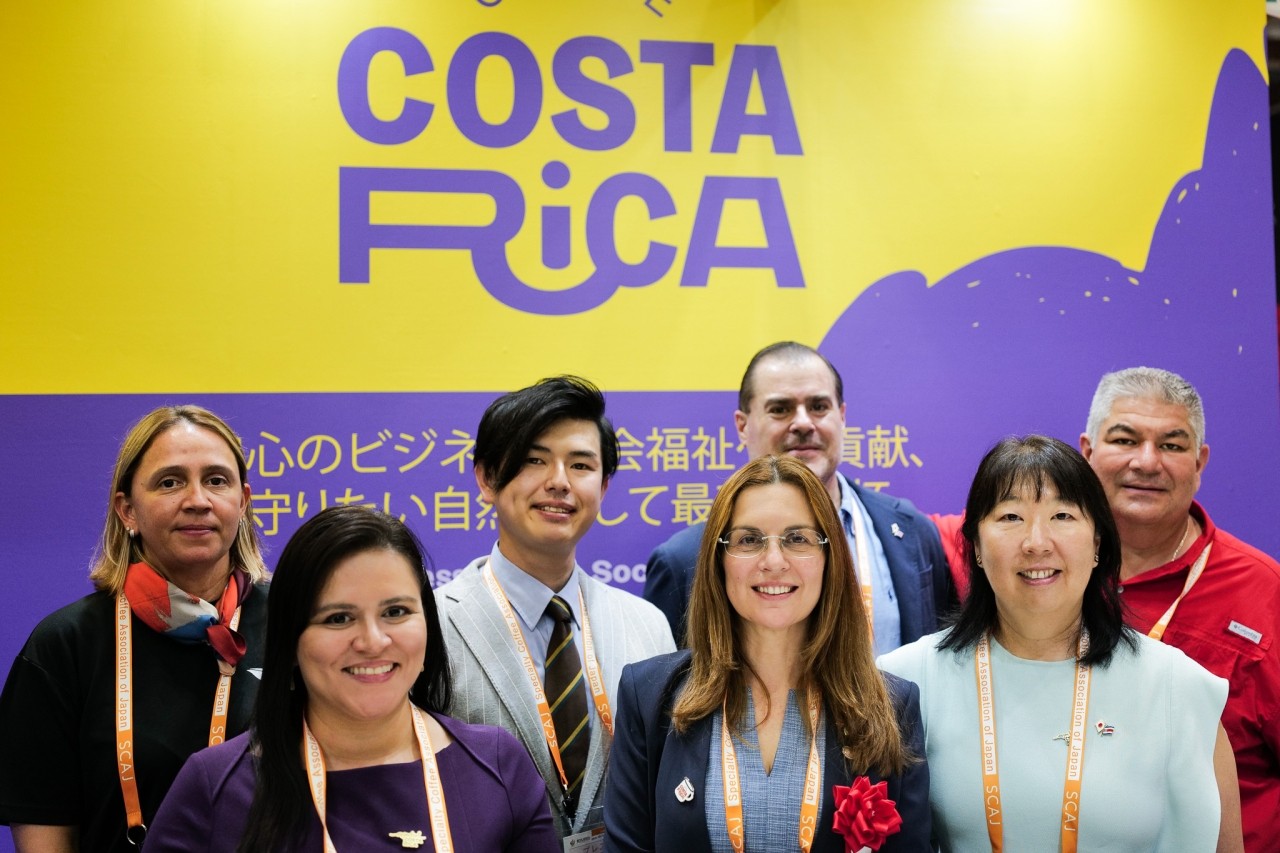
In Costa Rica, coffee has long been called "Grano de Oro" (golden bean). This term may have once carried a strong connotation of coffee being a valuable export product that enriched the country.
However, what I felt through the cup and through the words of the local people this time was more than just that. Coffee born from the rich nature of a small country, nurtured by the understanding, effort, and love of people who live in harmony with nature. This cupping experience made me truly realize that this is what "golden beans" truly are.
SCAJ 2026 (SCAJ World Specialty Coffee Conference and Exhibition 2026)
Date: October 14th (Wednesday) – October 17th (Saturday), 2026
Venue: Tokyo Big Sight, South Exhibition Halls 1-4 Official website: https://scajconference.jp
Interview and text by: Shohei Yamamoto, CROWD ROASTER
If you want to enjoy coffee more deeply
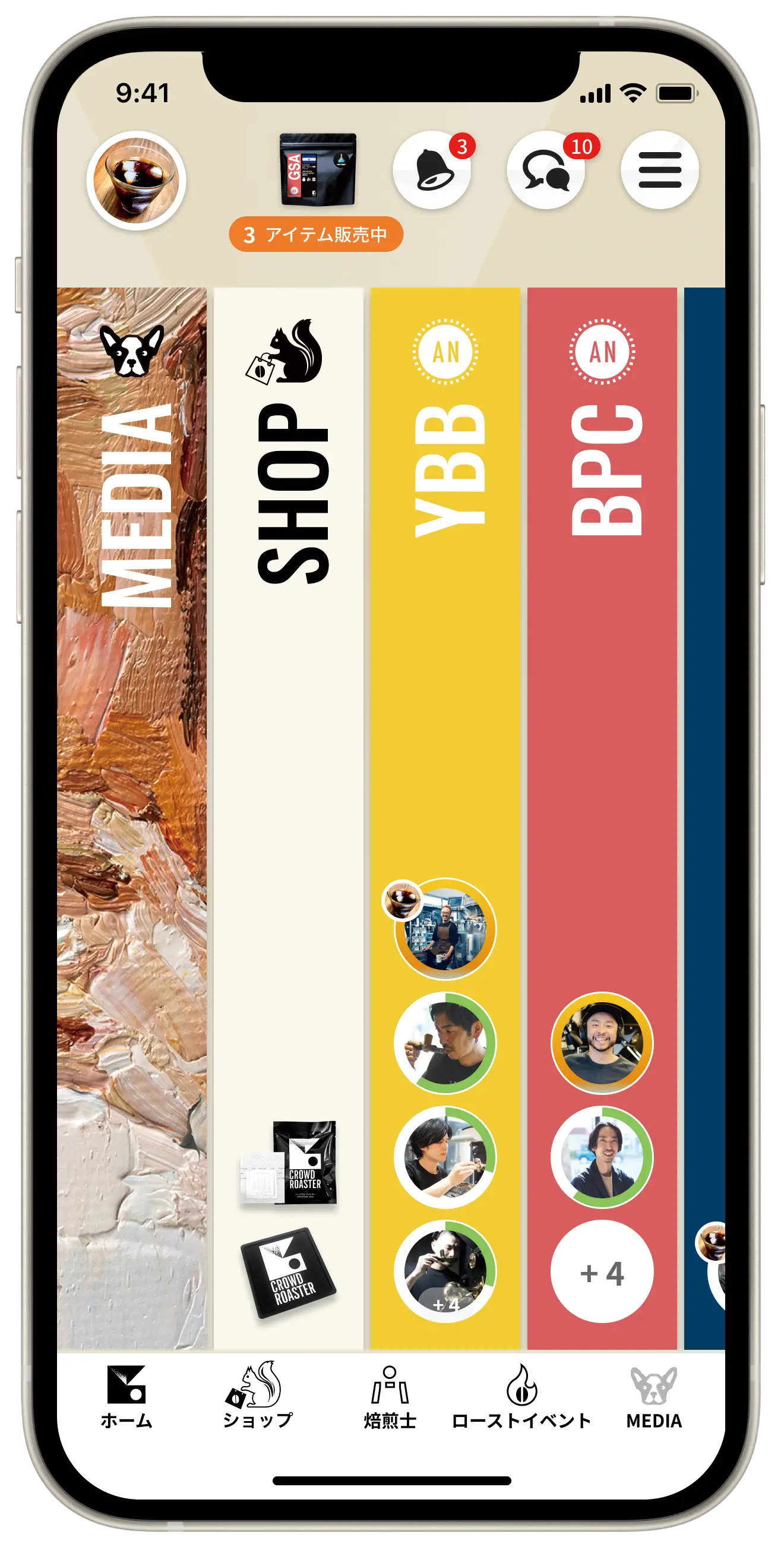
" CROWD ROASTER APP"
Manabu at CROWD ROASTER LOUNGE
・Push notifications for article updates・Full of original articles exclusive to CROWD ROASTER
・Direct links to detailed information about green beans and roasters
App-only features
- Choose green beans and roasters to create and participate in roasting events・CROWD ROASTER SHOP: Everything from beans to equipment is readily available
・GPS-linked coffee map function
Download the official app here