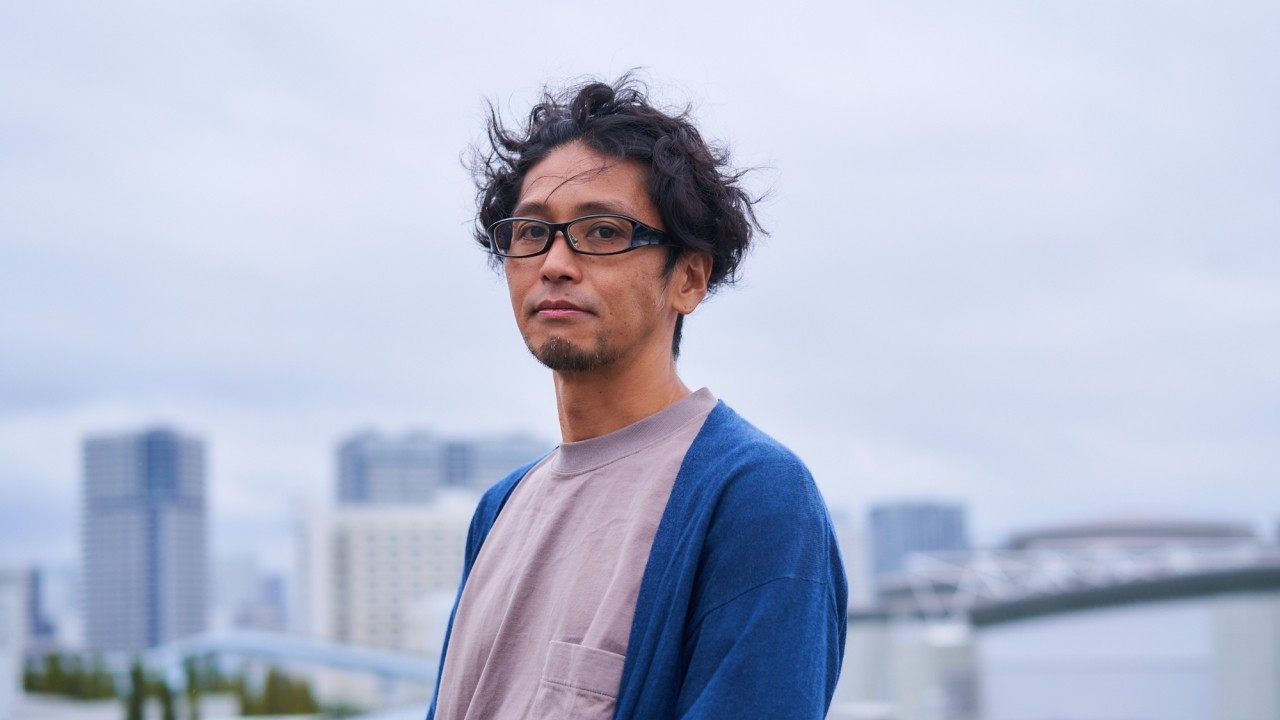
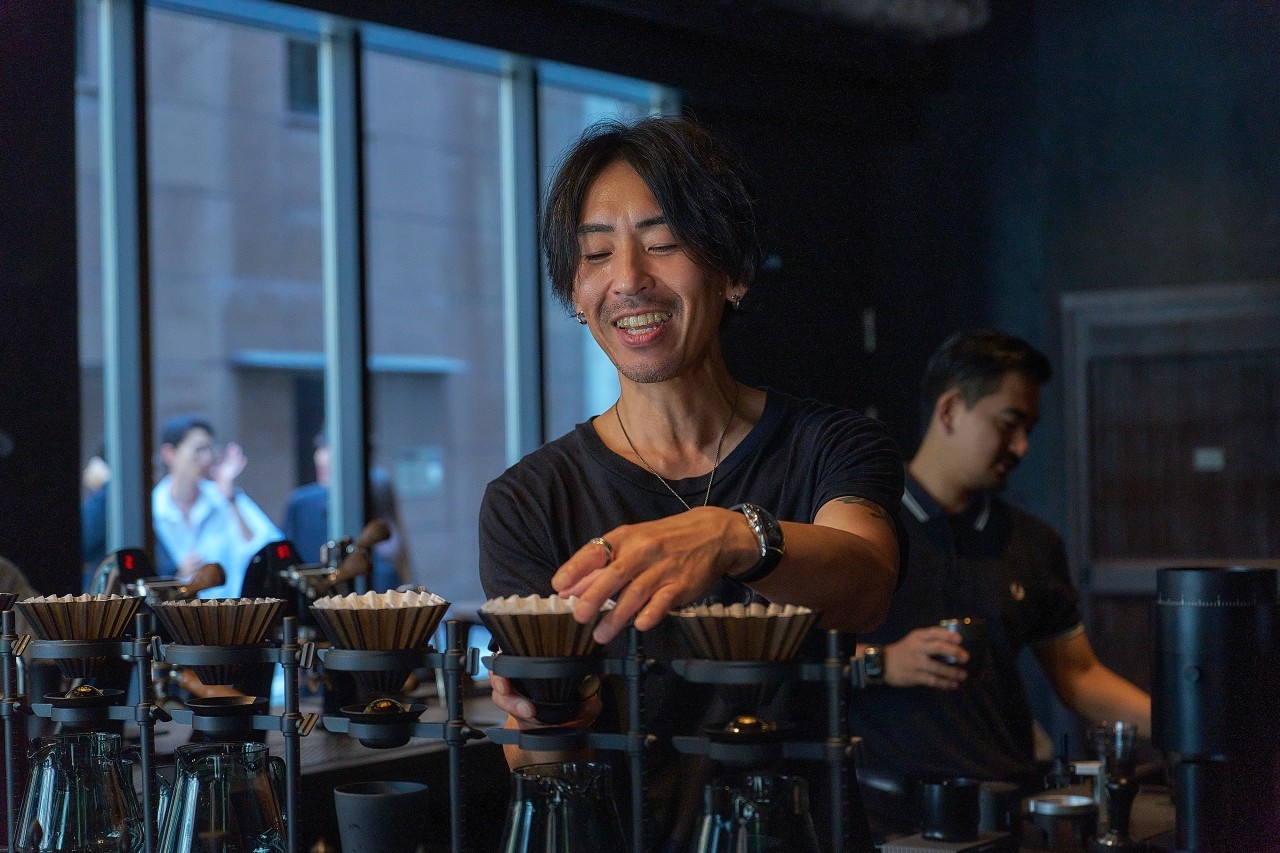
ROOTS, a dining cafe and bar connecting local ingredients and producers [ CROWD ROASTER implementation case study]
[ CROWD ROASTER Implementation Case Study] ROOTS Co., Ltd.
CROWD ROASTER coffee is also used in high-end restaurants and other establishments.
Let me introduce one of those stores.
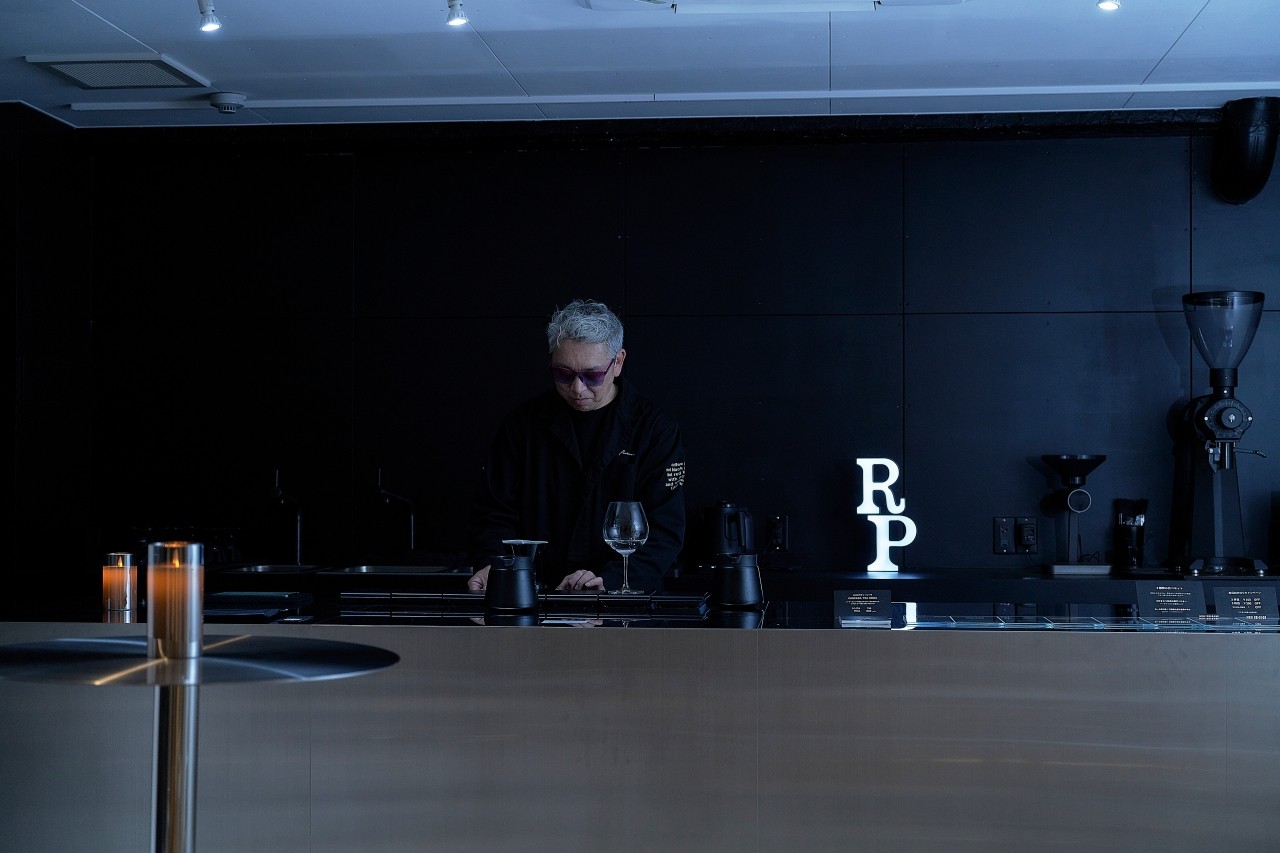
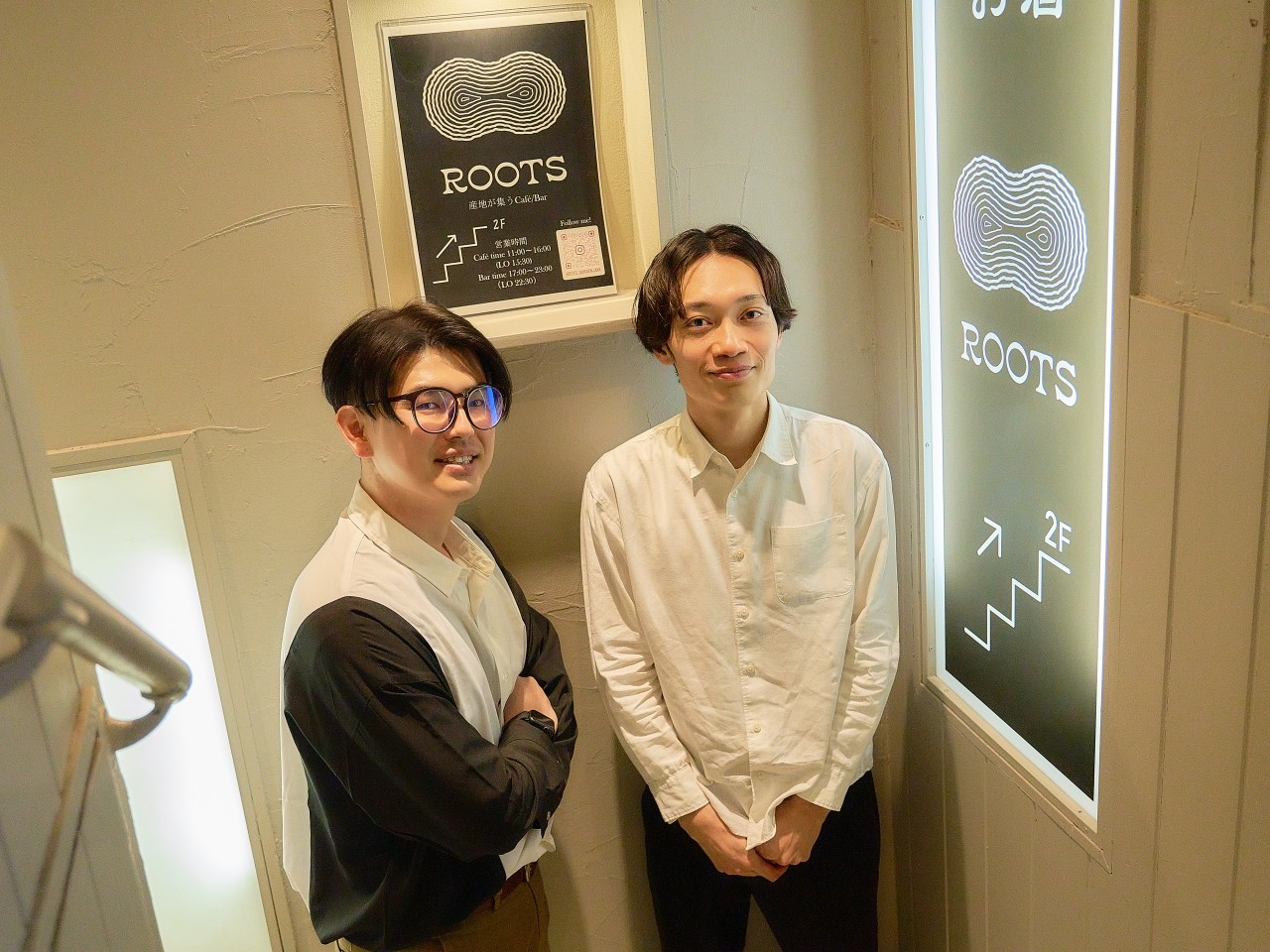
Located near Sangenjaya Station in Tokyo, on the second floor of "Kahokurashi," an antenna shop for Kahoku Town in Yamagata Prefecture, is "ROOTS," a dining cafe and bar that showcases local ingredients and the stories of their producers.
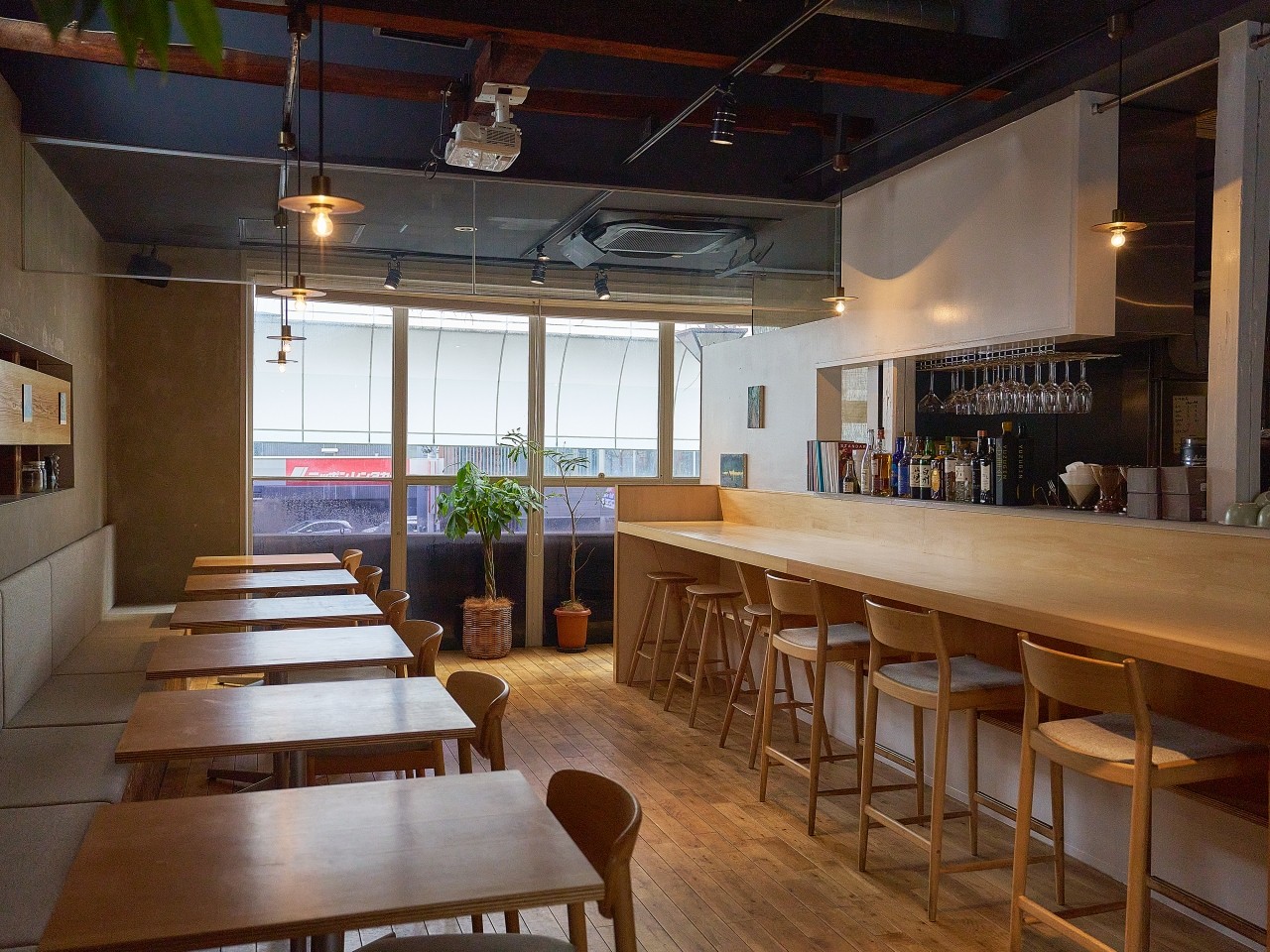
The restaurant is operated by Region Food Partner LLC, a consulting firm specializing in food and regional revitalization. They opened this restaurant on September 9, 2025, as a place where customers can actually taste the producers and ingredients they encountered while providing regional support throughout Japan, right here in the heart of the city.
"As I met various producers in rural areas, I felt a strong desire to promote their ingredients and the producers themselves more in the city center, and to give people the opportunity to actually taste their products," says representative Kikuchi.
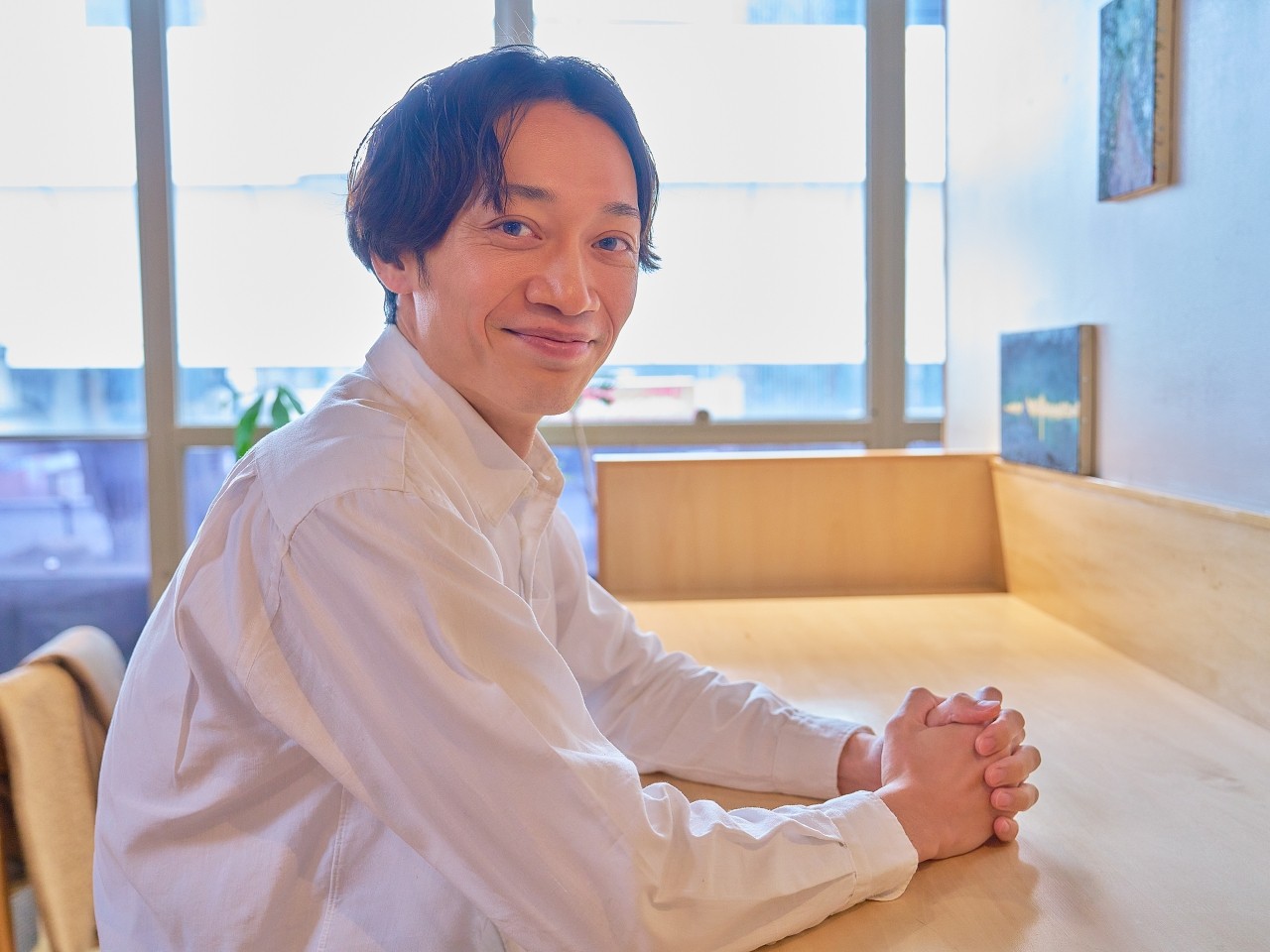
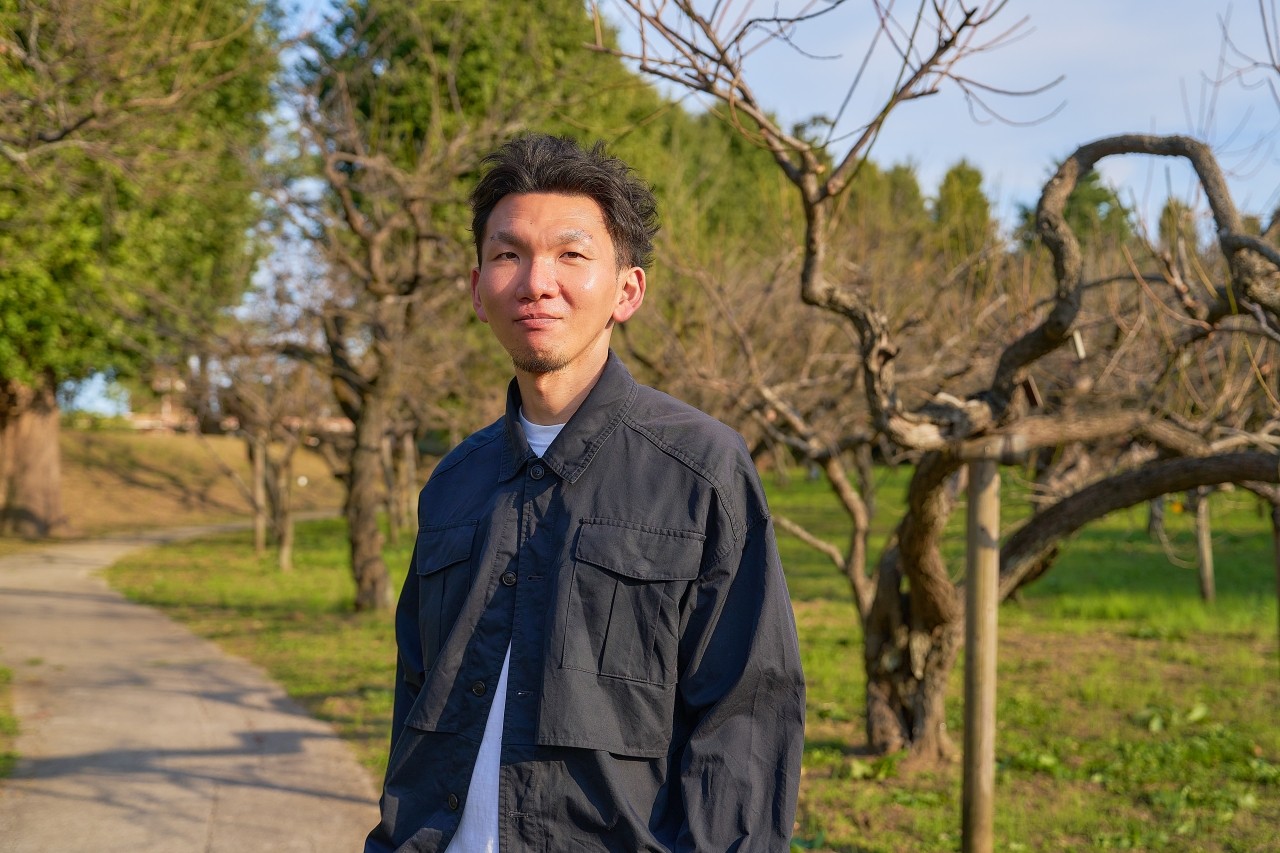
<Kousuke Kikuchi, Representative of Region Food Partner>
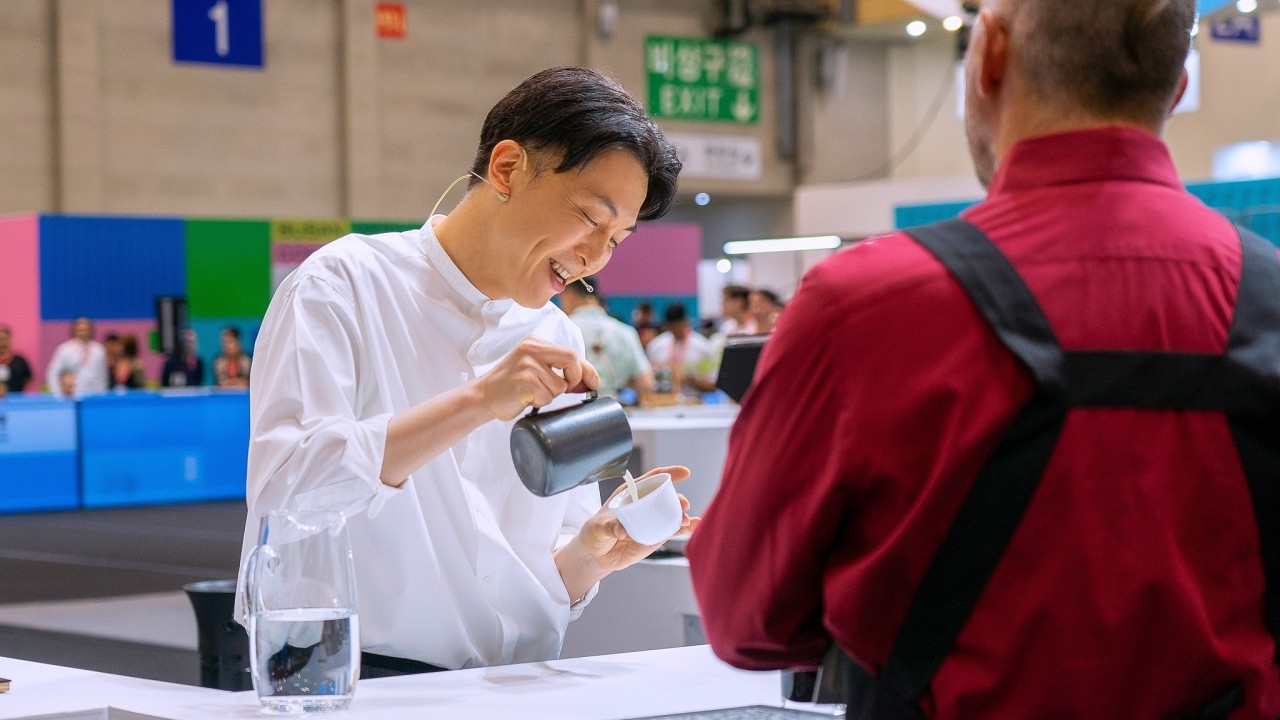
Just as they are meticulous about their ingredients, ROOTS is equally meticulous about their coffee. We spoke with Yamamoto, the person in charge at CROWD ROASTER , about the story behind the development of their original blend, which they created in collaboration with CROWD ROASTER .
Each ingredient has a story.
Each item on ROOTS' menu has a connection to the local community.
Particularly impressive is the katsu sandwich made with venison sourced from Shin-onsen Town in Hyogo Prefecture. Shin-onsen Town is a mountainous region located on the border with Tottori Prefecture in Hyogo Prefecture, where a 25-year-old man has established a wild game meat processing plant.
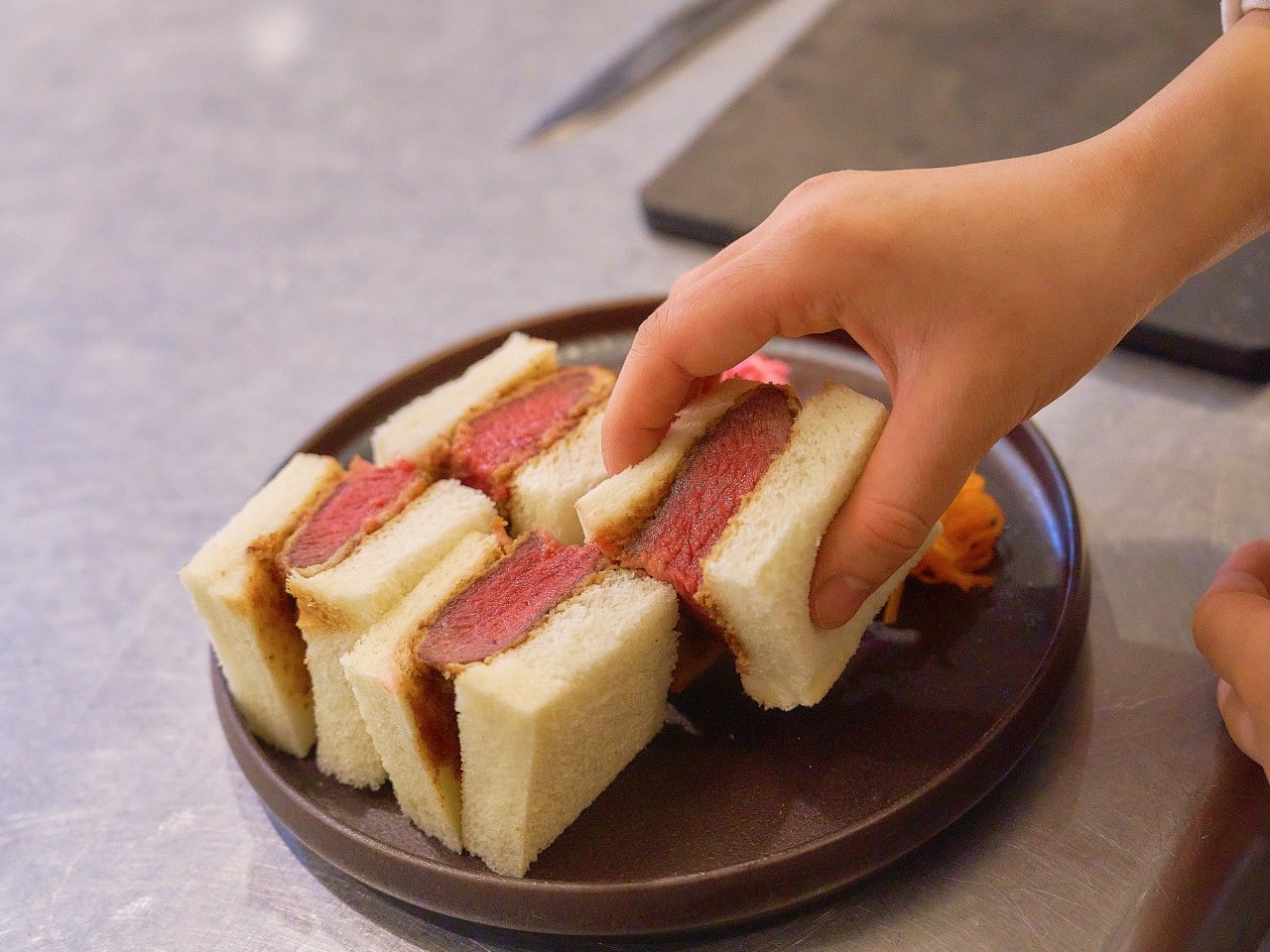
<Venison, with its lack of gamey odor and refreshing taste, pairs well with blended coffee.>
"He was originally part of the regional revitalization team, but he decided to start his own business and was selected in a competition for a regional revitalization project, which led him to build a new processing plant. We provided support with branding, marketing, and sales for his company. Through that connection, we were able to use his ingredients when we opened our shop."
This venison has almost no gamey smell and is characterized by its refined flavor with a nutty aroma similar to aged Wagyu beef. ROOTS says that in order to bring out the best in this ingredient, they focused on developing a menu that does not involve anything unnecessary.
In addition, as part of our collaboration with Kahokurashi on the 1st floor, we have direct connections with producers for each of our products, such as eggs and vegetables from Kahoku Town in Yamagata Prefecture, fish directly sourced from fishermen in Susaki City, Kochi Prefecture, ginger from dedicated farmers in Kochi Prefecture, and lemons from farmers in Ehime Prefecture.
The menu includes information about the production area and producer's name, and it is said that conversations often begin as a result of customers asking questions.
Furthermore, we put a great deal of effort into developing our cafe menu, including our popular carrot cake.
"For example, with our carrot cake, we focused on achieving a good balance of flavors and a distinctive character. We bought carrot cakes from major companies all at once, tasted them all, identified their strengths and areas for improvement, and researched a recipe that incorporated only those strengths. That's how we created our current recipe."
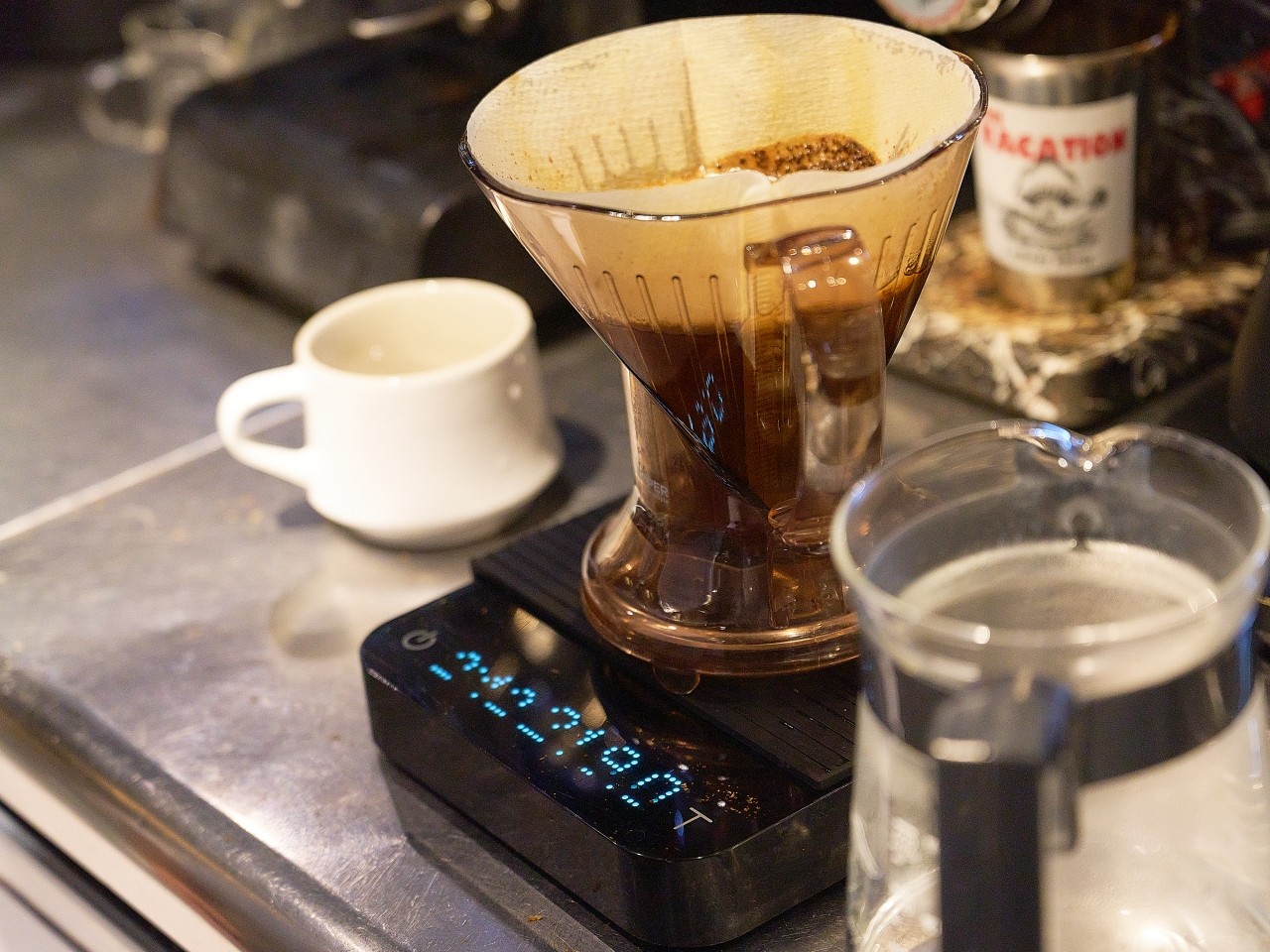
Developing an original blend in pursuit of the ideal balance.
Just as they are so particular about their ingredients and recipes, ROOTS wanted to put just as much effort into their coffee. In a cafe bar setting, coffee holds a crucial place in the drink menu. Their collaboration with CROWD ROASTER began with this idea.
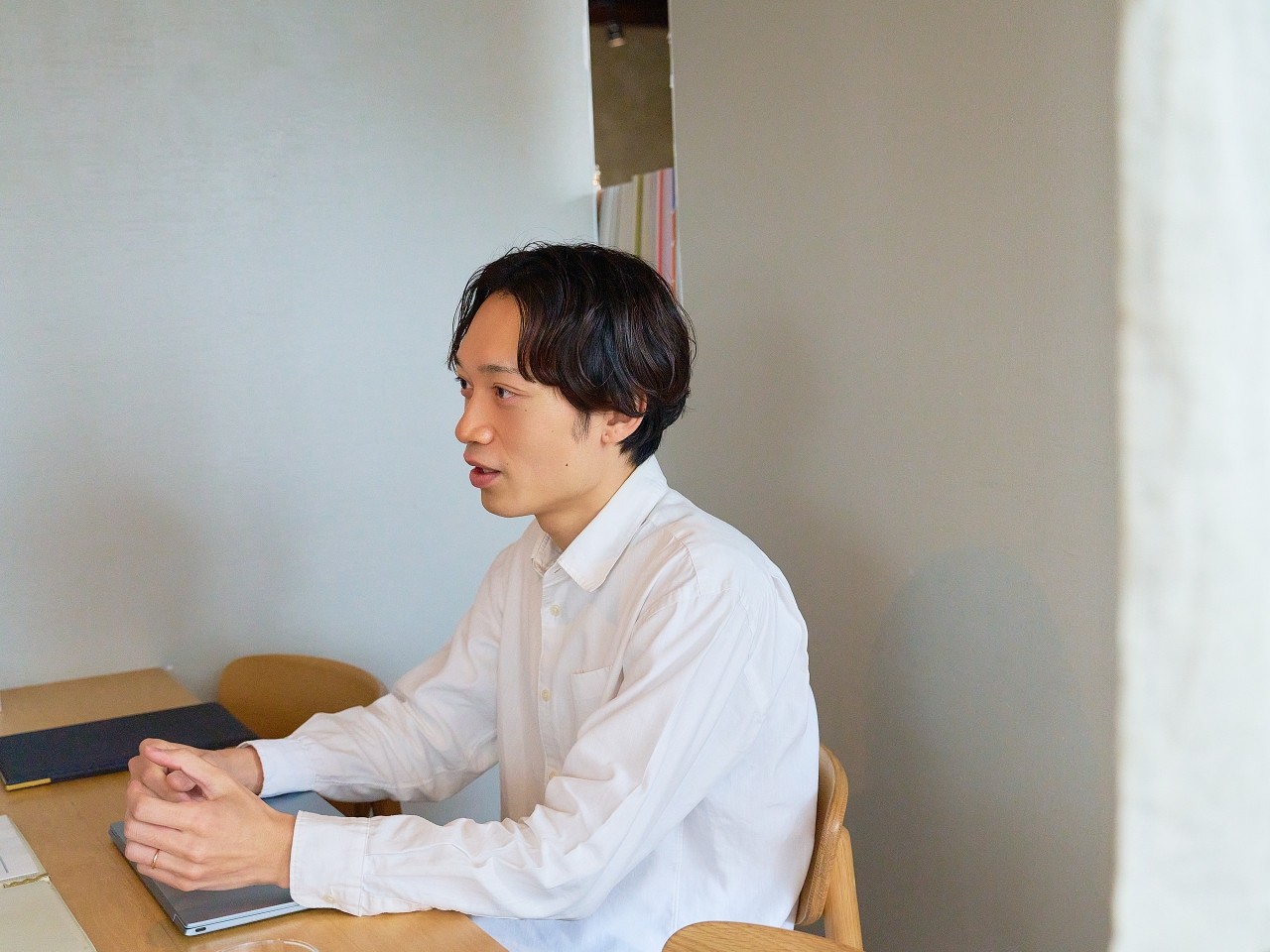
"First of all, I told them I wanted the coffee to be delicious," Kikuchi says with a laugh.
Mr. Kikuchi himself didn't have any specialized knowledge about coffee. However, his experience working in restaurants and developing processed coffee products gave him a clear preference for certain tastes.
"I didn't know much about coffee, but when I ate food, there were times when I clearly felt that it was delicious. With coffee, too, I felt that my own taste preferences were being influenced. For example, if there were parameters for taste, I would prefer something that is well-balanced rather than having one outstanding characteristic. If I felt that a parameter was either too prominent or too lacking, I would judge it carefully."
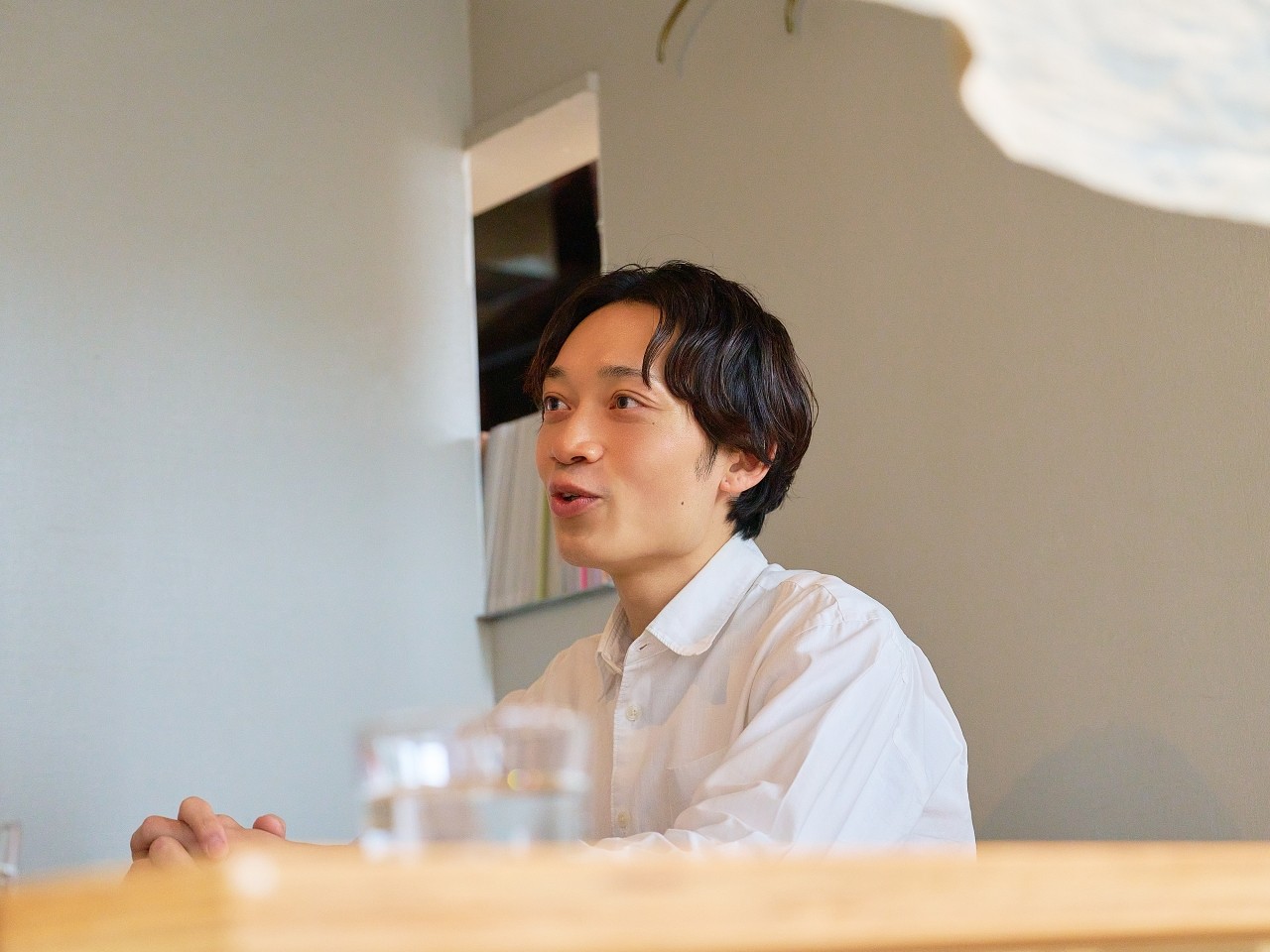
Yamamoto from CROWD ROASTER was also aware of Kikuchi's preferences.
"Interestingly, while Mr. Kikuchi prefers light roasts for black coffee, he dislikes 'undeveloped coffee' in technical terms. He doesn't like coffee that's under-roasted or has a grassy taste, even if it's lightly roasted. Even for iced coffee, he likes a type that has a good, solid sweetness. The balance of sweetness and mouthfeel had to be guaranteed as a prerequisite."
A series of trial and error
When Kikuchi first tasted several coffee beans, he said he felt the following:
"All of them were high-grade beans, so making a decision was more difficult than I expected. Each had its own merits; this bean was strong in this aspect, and another in a different way. From there, I started the process of balancing them, but I found it difficult to make a final decision."
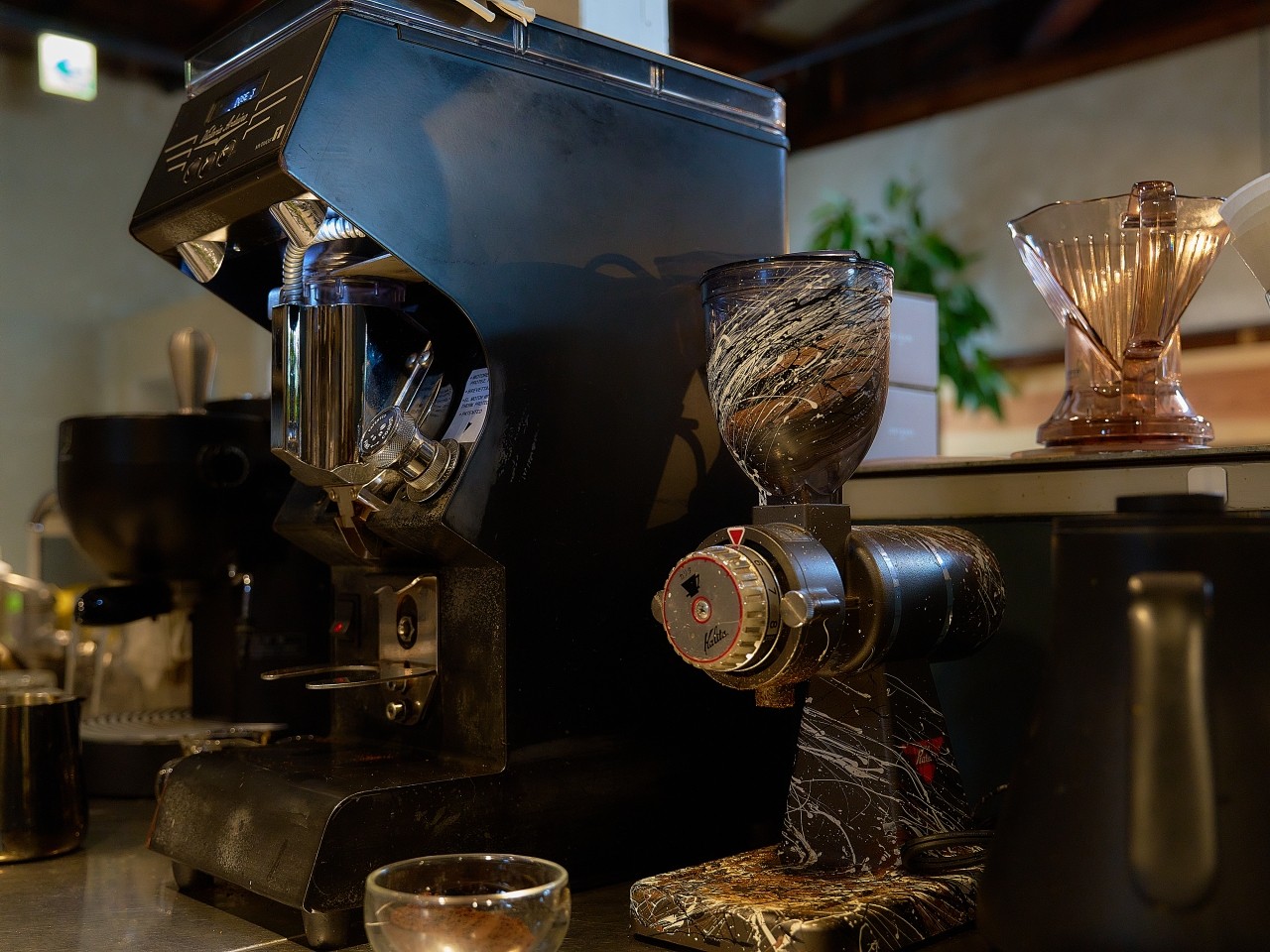
What made things even more complicated was that the desired flavor profile differed between drip coffee and espresso.
"Initially, I intended to develop a blend that could be used for both espresso and drip coffee. But as I developed it, I realized that while I prefer lighter roasts for drip coffee, when it comes to espresso and lattes, I wanted the distinctive bitterness of coffee to complement the milk."
"I was a little surprised to hear that someone who likes light roasts for drip coffee would prefer a darker roast for espresso, as I would have expected that." Ultimately, they decided to create separate blends for drip coffee and espresso.
Furthermore, compatibility with the espresso machine is also crucial. We continuously made fine adjustments to the recipe to suit the espresso machine and environment, refining it until we found the perfect balance.
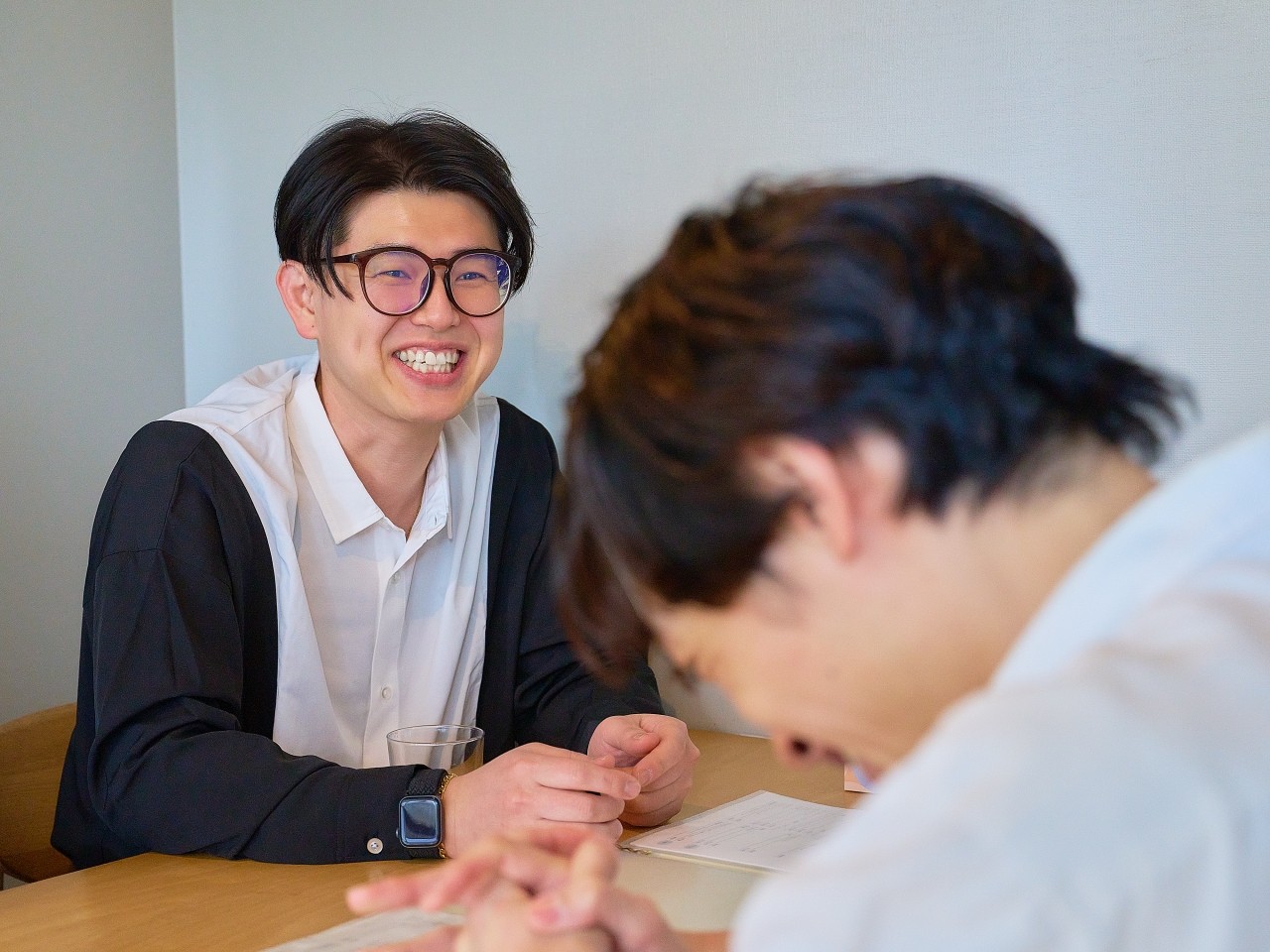
CROWD ROASTER 's adaptability
Through this trial and error process, Kikuchi says he came to realize the strengths of CROWD ROASTER .
"Generally, when you ask other companies to handle things, if they only have one roaster, or if it's a large company, they simply can't make such detailed adjustments. But with CROWD ROASTER , I felt that their strength lies in being able to make detailed proposals for each individual project."
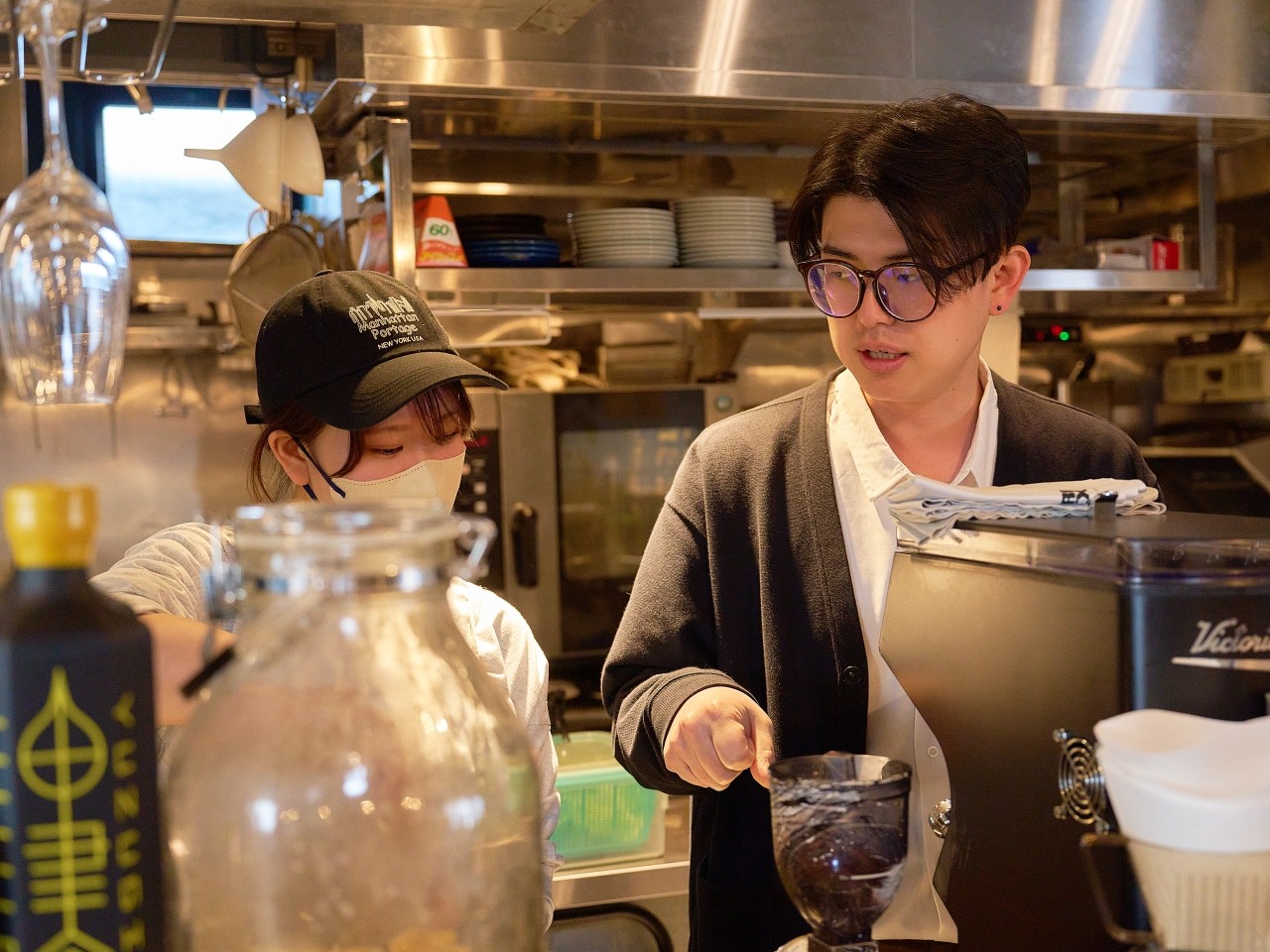
Yamamoto also shared what he kept in mind during this collaboration:
"We don't just roast beans; we also offer specialized consulting and advisory services focused on the coffee aspect, such as recipe suggestions and sales strategies. I believe this service is well-suited for people like Mr. Kikuchi, who have a clear vision of what they want."
"For someone like me, who has a fairly clear vision or ideal image in mind, it was amazing to see how far they could go," Kikuchi agreed.
The finished blend
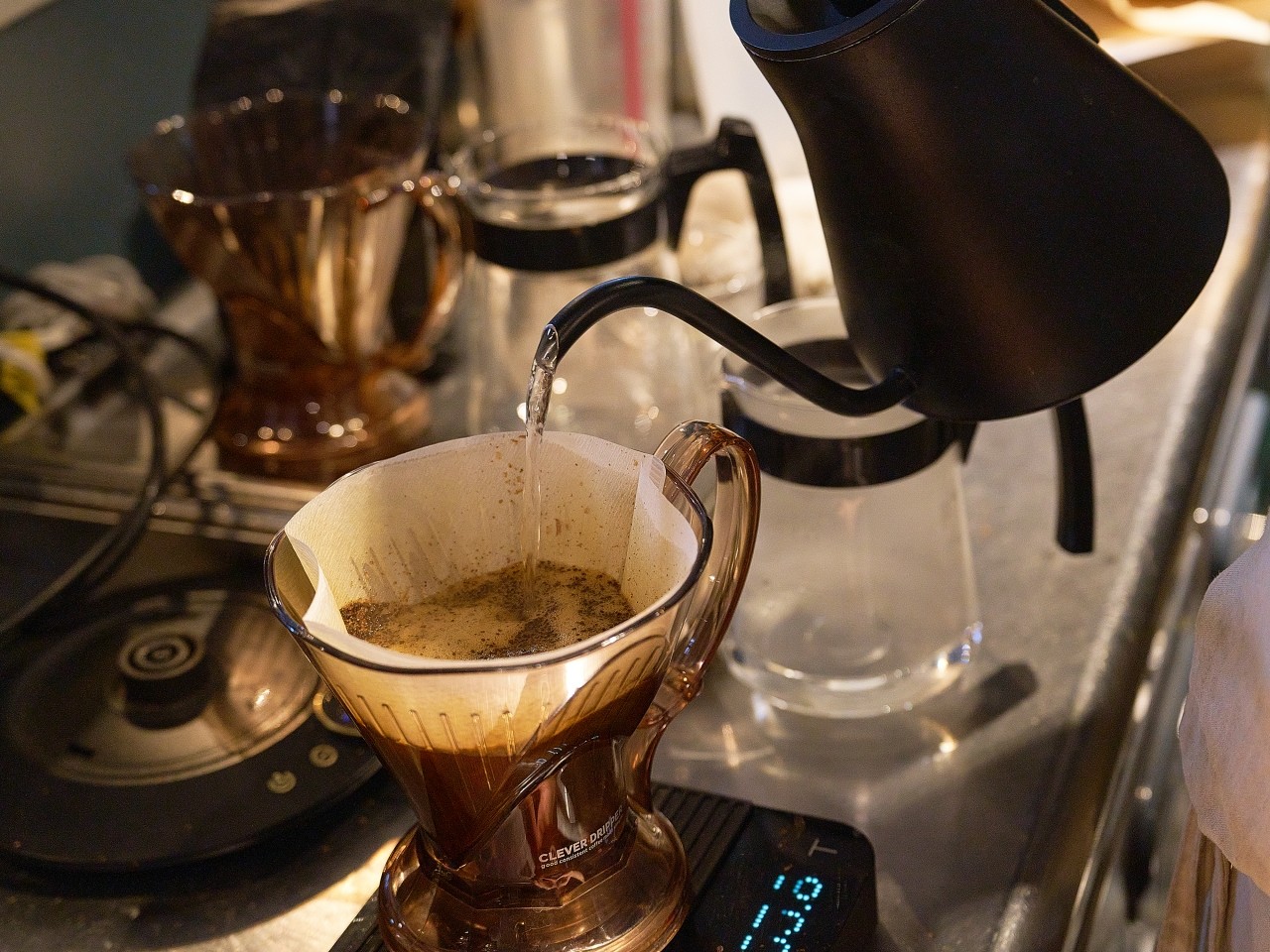
This is how ROOTS' original blend was created.
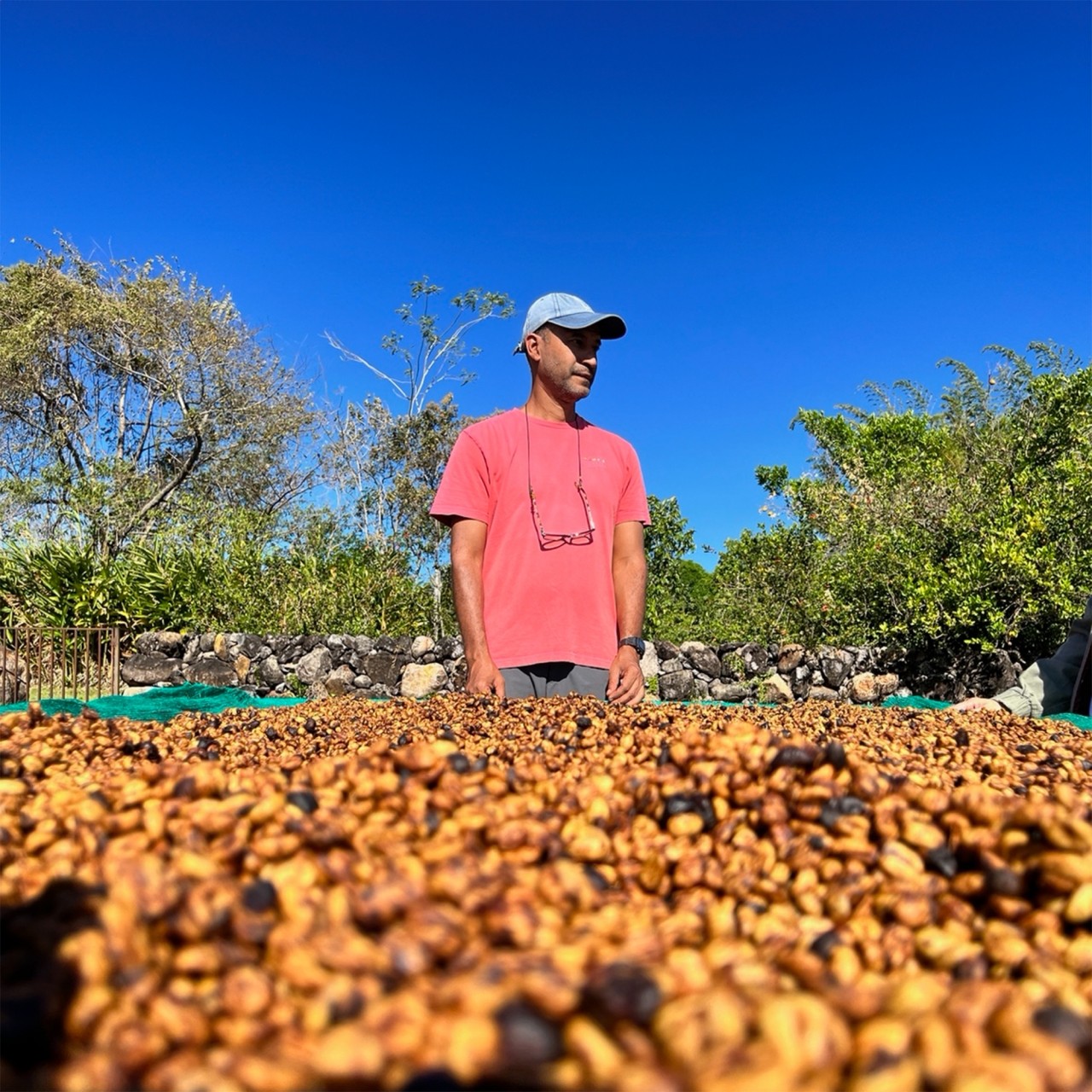
"At the heart of the blend is El Paraiso from Colombia, a coffee made using a special process. We balanced it with the voluminous sweetness, richness, and roundness of Ethiopian coffee," says Yamamoto.
We have meticulously adjusted the balance to deliver the best possible taste in both drip coffee and espresso, while also differentiating ourselves from other shops.
"I'm very grateful that we were able to create something of a quality I'm satisfied with," said Kikuchi. "This time, I also learned a lot about the difficulties of handling coffee in a proper restaurant setting. Things like the subtle differences in roasting levels depending on the batch. It's also difficult to communicate this to the staff, but I'm glad that I was able to stand on the stage of coffee, which is fascinating and something you can really get absorbed in."
They say the coffee has been very well received since they opened.
"We often hear customers say that the coffee they had at the end of their meal was incredibly delicious, and many say they'll come back just for the coffee. We have a variety of customers, some coming for coffee and others for meals, and many take a sip and think, 'Wow, this is something!'"
Future developments
The collaboration between ROOTS and CROWD ROASTER is likely to expand even further in the future.
"We're thinking about various options, such as releasing seasonal single-origin whiskies," says Kikuchi.
We are also considering expanding our business by leveraging our core business of regional revitalization consulting.
"While providing various support in different regions, we've noticed a demand for creating original coffee blends. We're considering directions such as having a roaster with roots in the region, or adjusting the flavor to reflect the local climate, specialties, and terroir, to create original blends suited to each area."
"In the case of CROWD ROASTER , a key feature is the wide range of roaster options available. We consider not only the compatibility with the local area but also the compatibility with the business, and I think our strength lies in being able to propose who the best roasters are and what combinations would work best," says Yamamoto.
We are committed to both the story behind our ingredients and the quality of our coffee.
ROOTS believes that each ingredient has a story behind it, and they carefully convey that story. Coffee is also an extension of that same dedication.
"We're thinking of various ways to properly convey our commitment to using high-quality ingredients. For example, writing articles on Note, or including details about our ingredients on the menu. Quite a few people come looking for that kind of information, so we want to provide them with it properly."
ROOTS combines CROWD ROASTER 's flexible approach to create the ideal coffee with ingredients sourced from local producers. With both of these elements in place, ROOTS will continue to expand new possibilities, centered on regional revitalization.
Located on the second floor of Kahoku Town's antenna shop, why not enjoy some exquisite coffee while feeling a connection to the local area?
Restaurants and retailers interested in serving CROWD ROASTER coffee in their establishments, please contact us using the information below. We will support you in connecting Japan's top-class coffee with your business.
<Store Information>
ROOTS
2-12-10 Sangenjaya, Setagaya-ku, Tokyo, Kahokurashi 2F
Opening hours: 11:00 AM - 4:00 PM (Last order 3:30 PM) / 5:00 PM - 11:00 PM (Last order 10:30 PM)
If you want to enjoy coffee more deeply
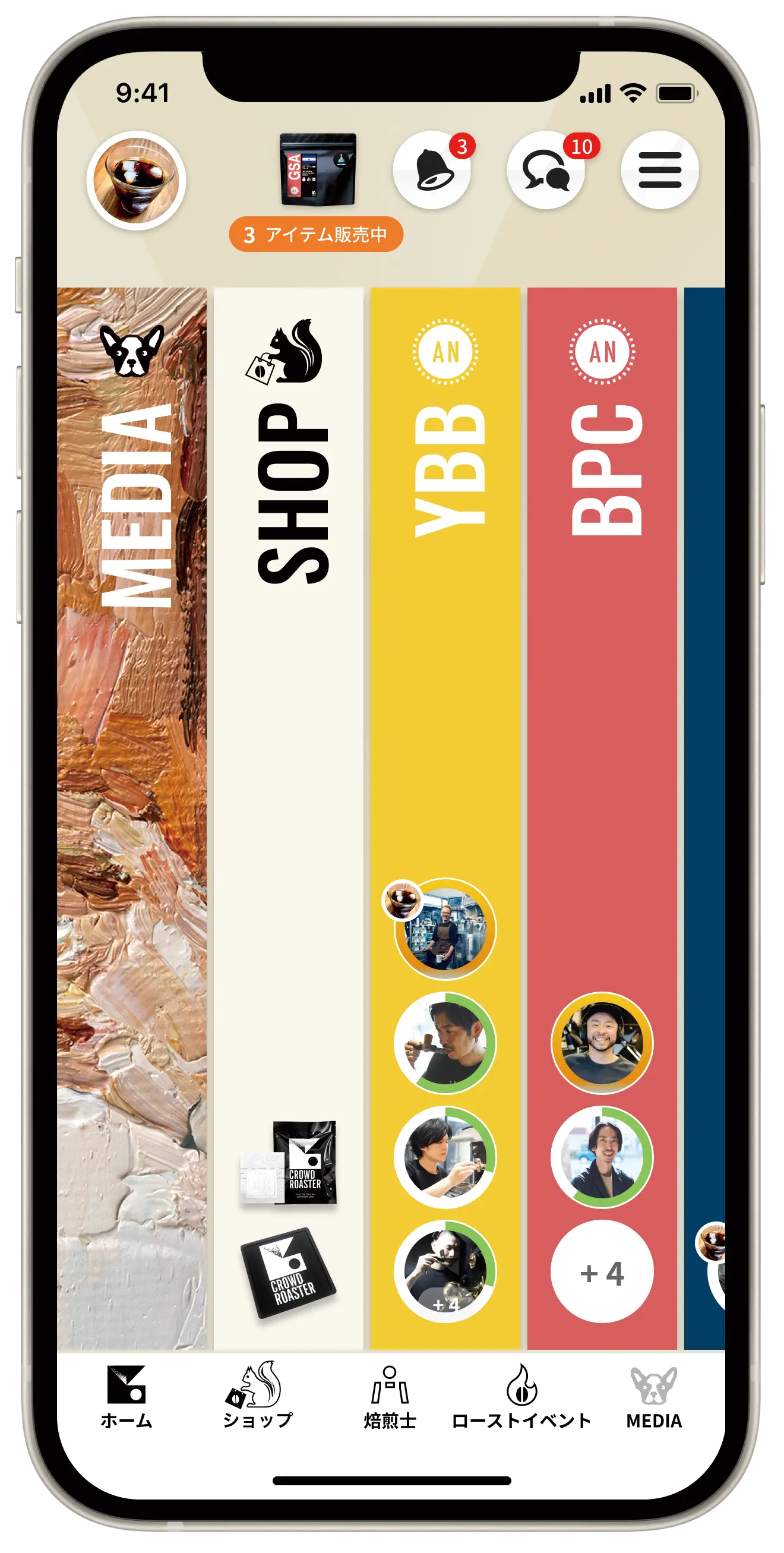
" CROWD ROASTER APP"
Manabu at CROWD ROASTER LOUNGE
・Push notifications for article updates・Full of original articles exclusive to CROWD ROASTER
・Direct links to detailed information about green beans and roasters
App-only features
- Choose green beans and roasters to create and participate in roasting events・CROWD ROASTER SHOP: Everything from beans to equipment is readily available
・GPS-linked coffee map function
Download the official app here