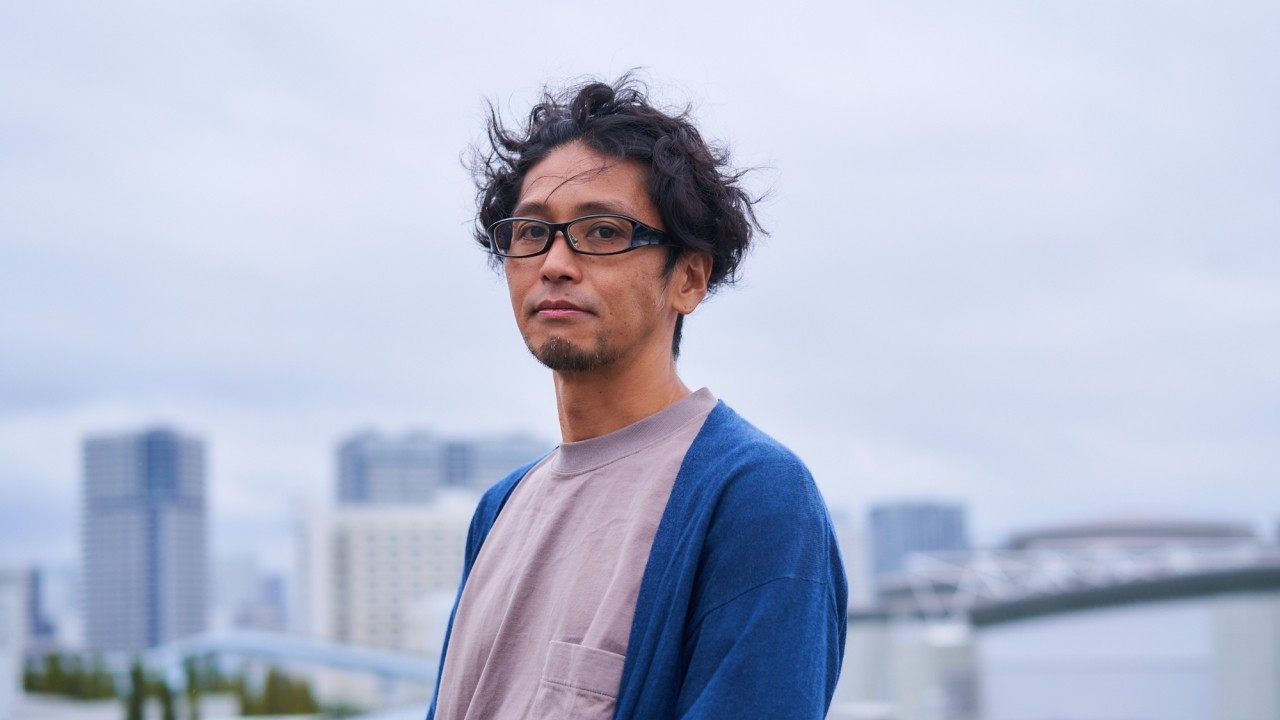
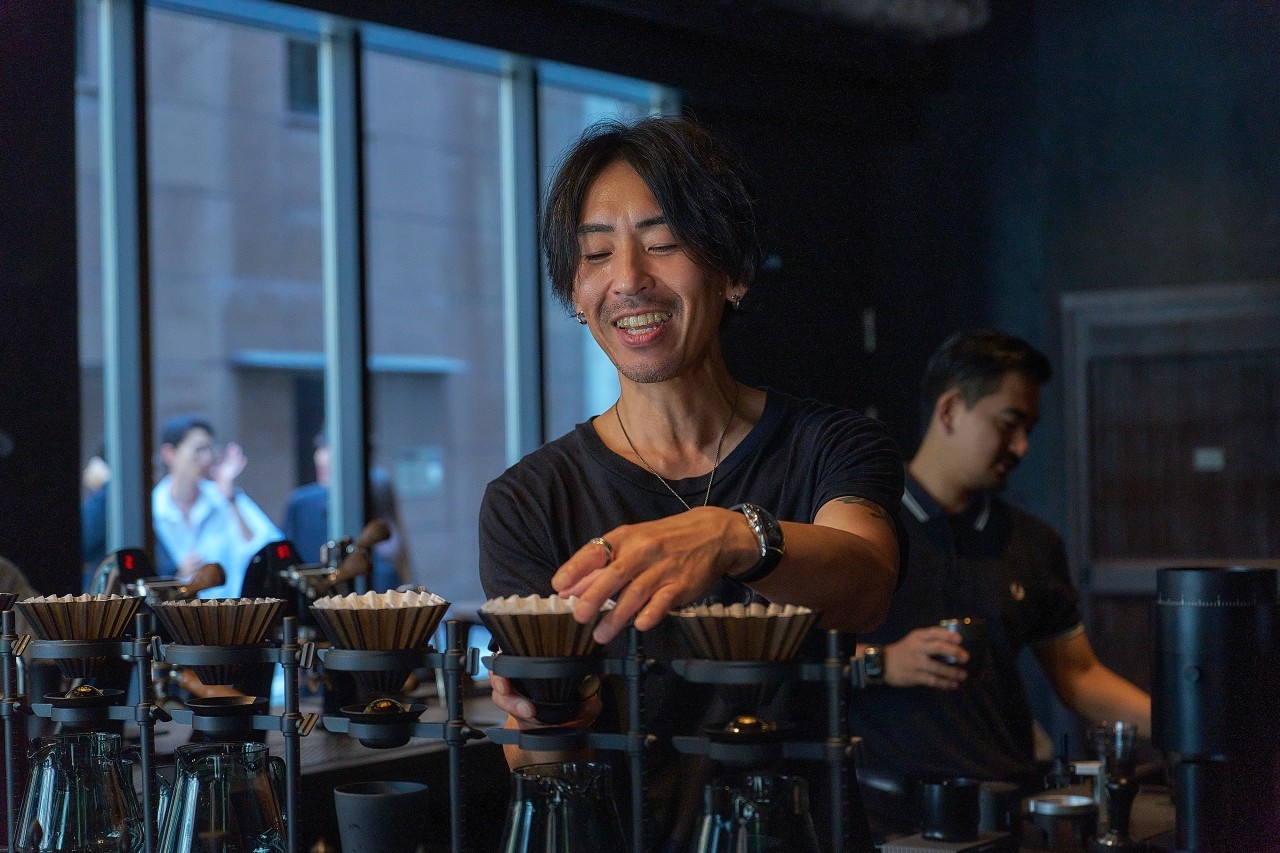
Daily roasting is the path to becoming a Japanese champion: Interview with roaster Takeharu Onuki
Interview with Takeharu Onuki from MOOD COFFEE & ESPRESSO (Mito City, Ibaraki Prefecture)
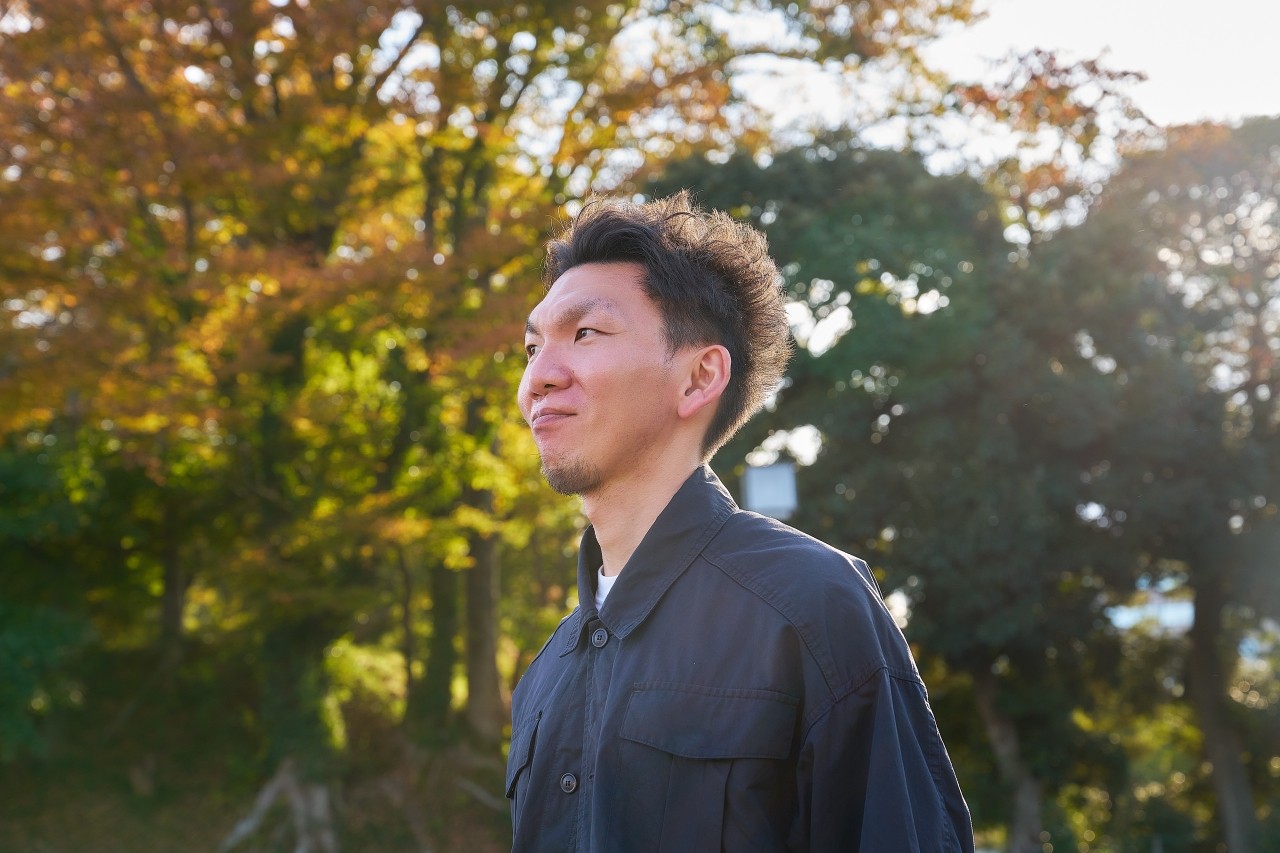
A new champion joins CROWD ROASTER .
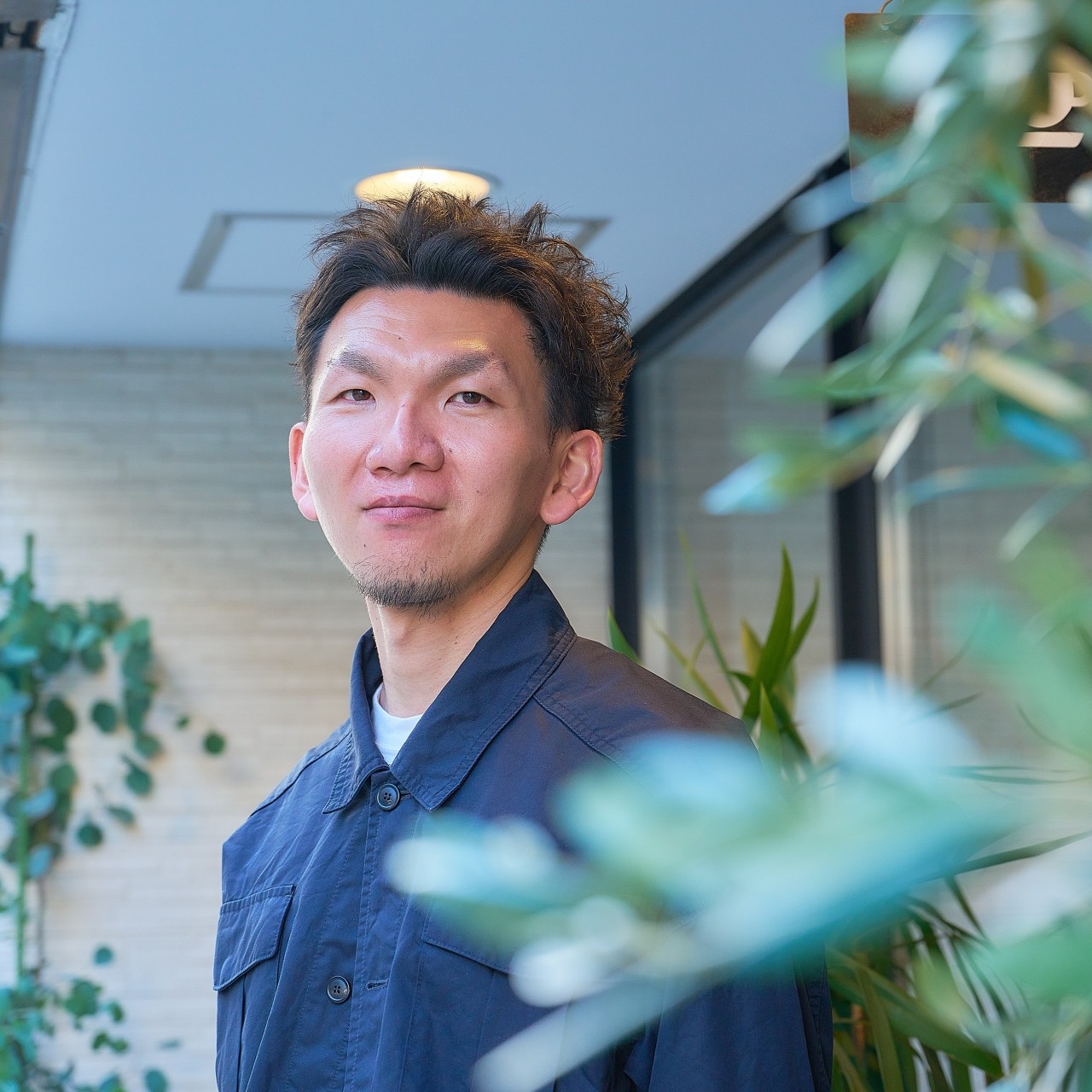
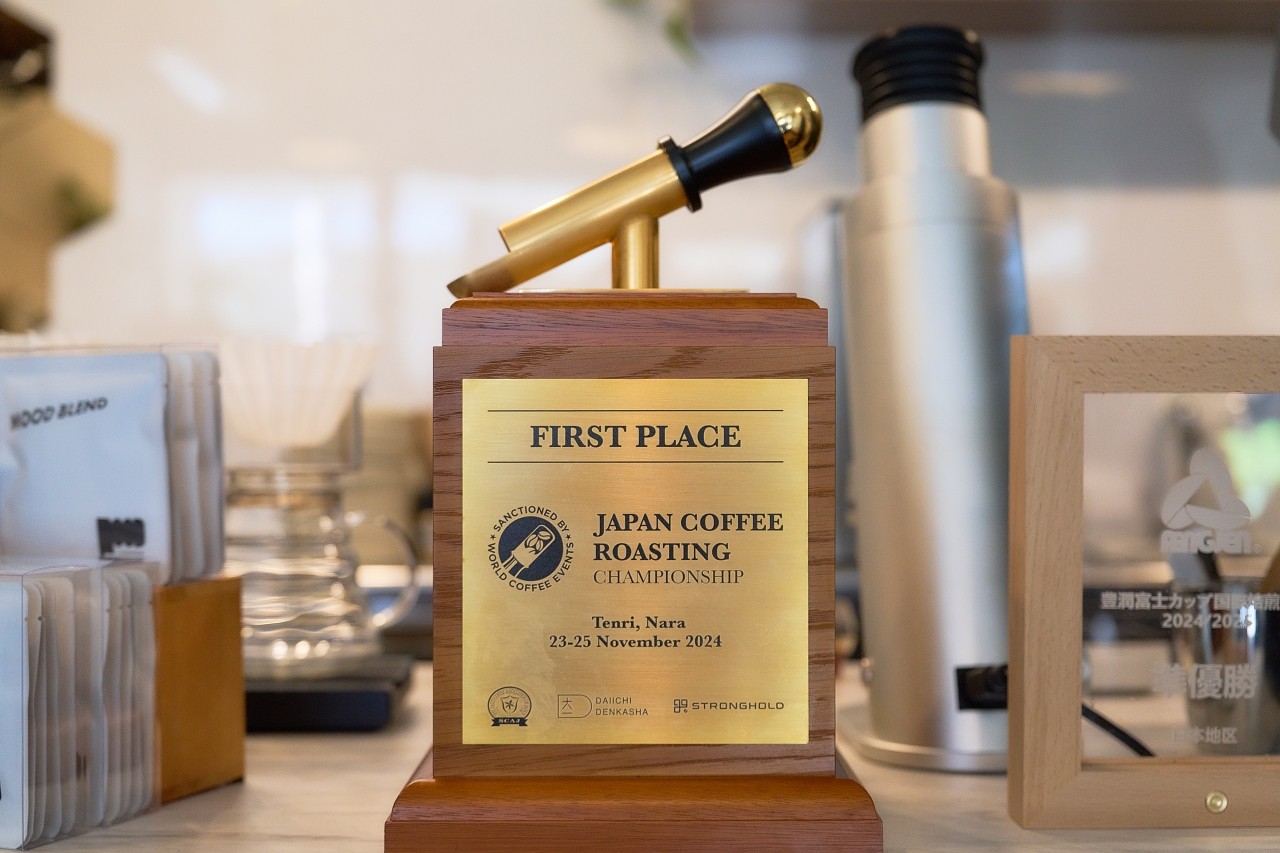
This is Takeharu Onuki , who achieved a remarkable victory in his first appearance at the 2024 Japan Coffee Roasting Championship.
Onuki -san burst onto the Japanese coffee roasting scene like a comet. We conducted an interview to explore his personality.
Onuki -san burst onto the Japanese coffee roasting scene like a comet. We conducted an interview to explore his personality.
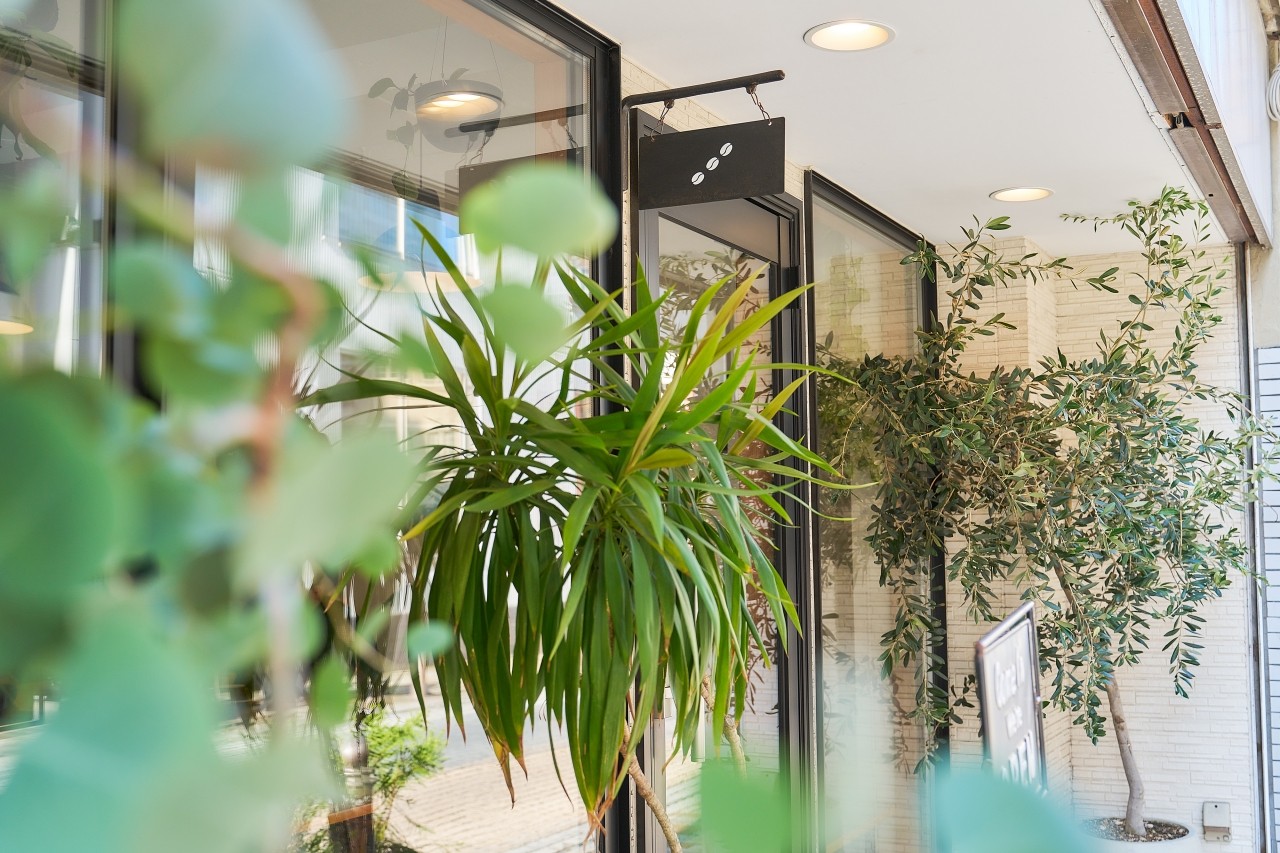
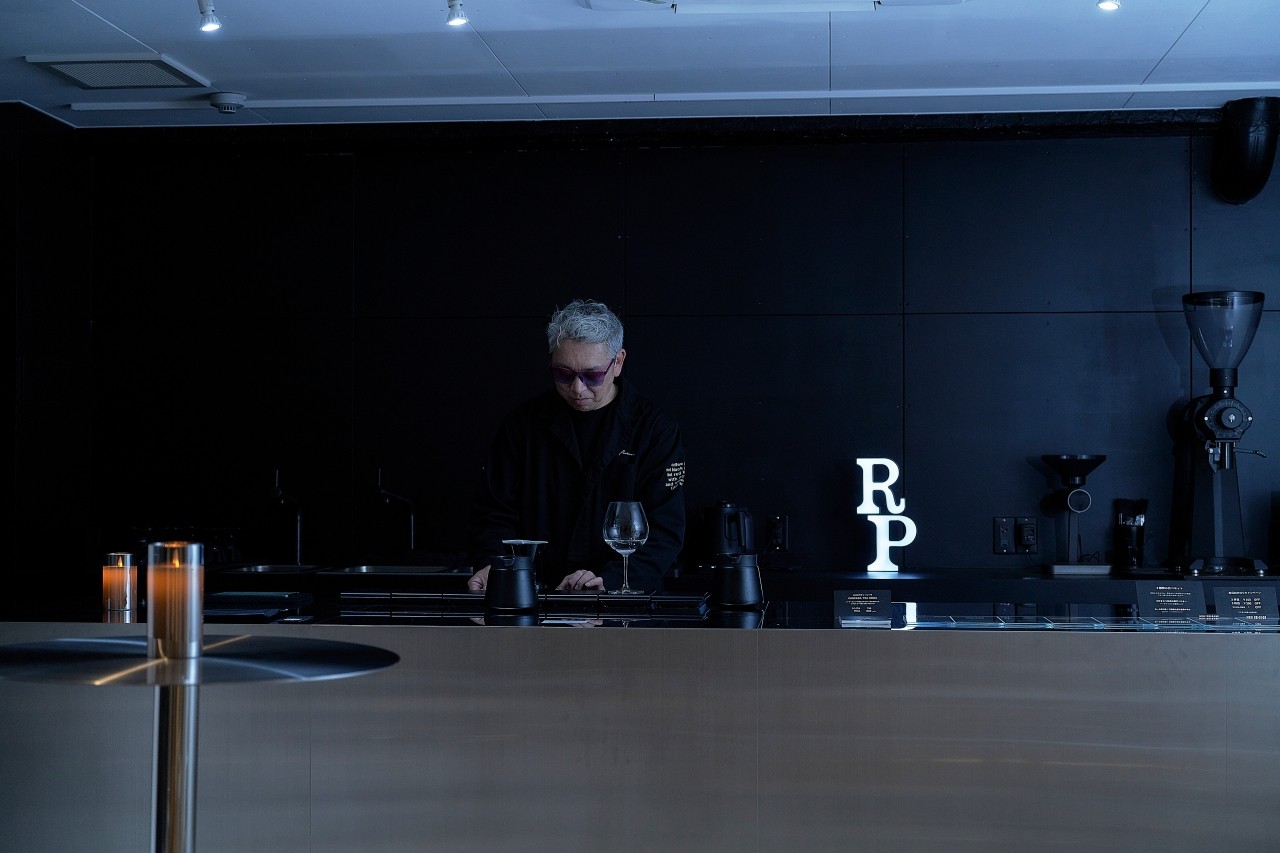
Located on the first floor of a building in Minamimachi, Mito City, a 10-minute walk from JR Mito Station, is "MOOD COFFEE & ESPRESSO." Inside the glass-walled shop is a Fuji Royal 3kg roasting machine, and the small roastery, run by a husband and wife, is decorated with mid-century modern-style interior decor.
Takeharu Onuki , who runs this small coffee shop, achieved the remarkable feat of winning the JCRC (Japan Coffee Roasting Championship) on his first attempt in 2024. He also secured second place in the 2025 Hojun Fuji Cup International Roasting Competition Japan Qualifiers, proving his skills as one of Japan's top roasters.
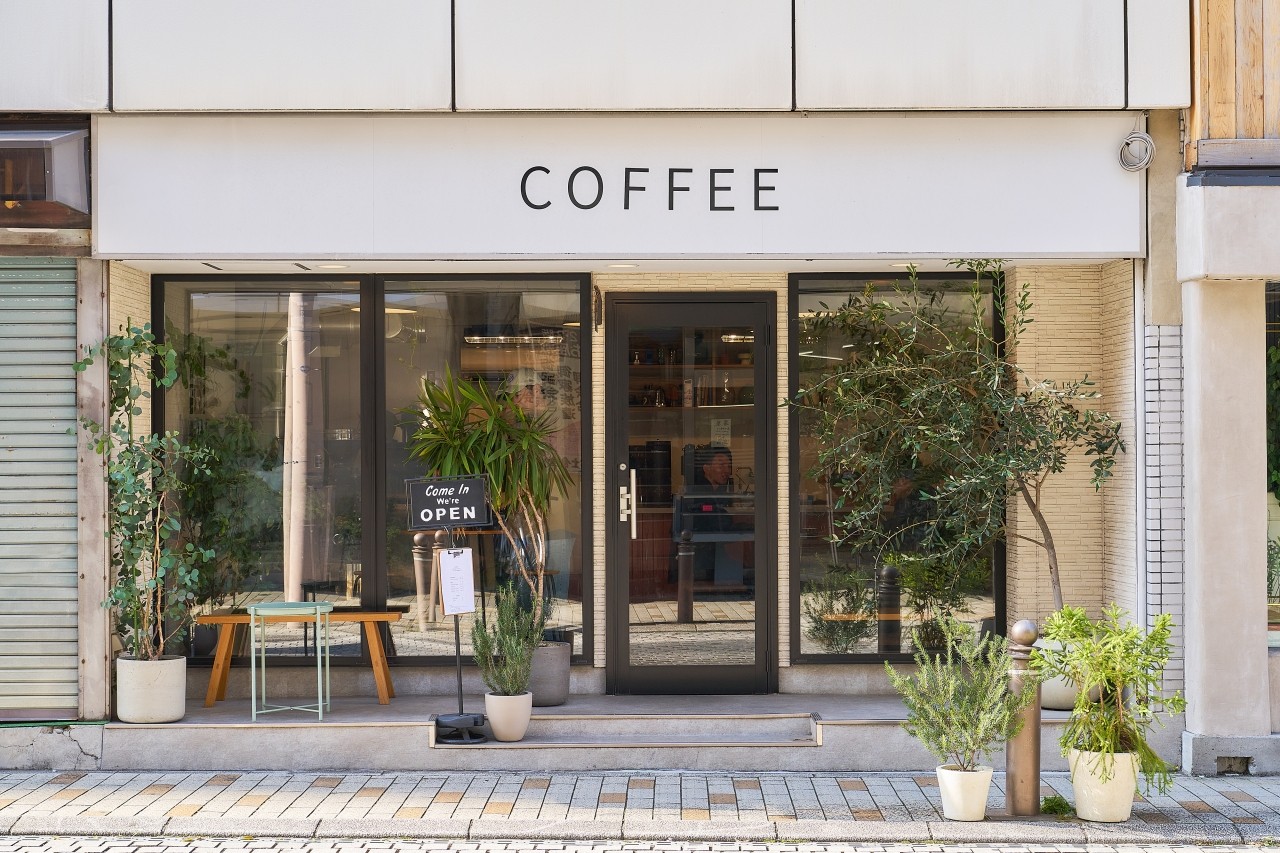
Onuki , the shop owner and roaster, didn't create a special roast for the competition; instead, he brought the same roast he serves daily in his shop. "I wanted to confirm whether the roast I make in my shop is truly delicious"—with that in mind, Onuki 's roast received the highest rating in the competition.
From a soccer-loving boy to the world of coffee
Onuki , who had no prior connection to coffee, entered this world through a chance encounter.
"From the elementary school Manabu to the university Manabu , I was completely immersed in soccer. After graduating from the university Manabu , I got a job, but it was a completely unsuitable workplace, so I quit. I was interested in architecture, so I decided to attend the specialized Manabu school in Tokyo."
"From the elementary school Manabu to the university Manabu , I was completely immersed in soccer. After graduating from the university Manabu , I got a job, but it was a completely unsuitable workplace, so I quit. I was interested in architecture, so I decided to attend the specialized Manabu school in Tokyo."
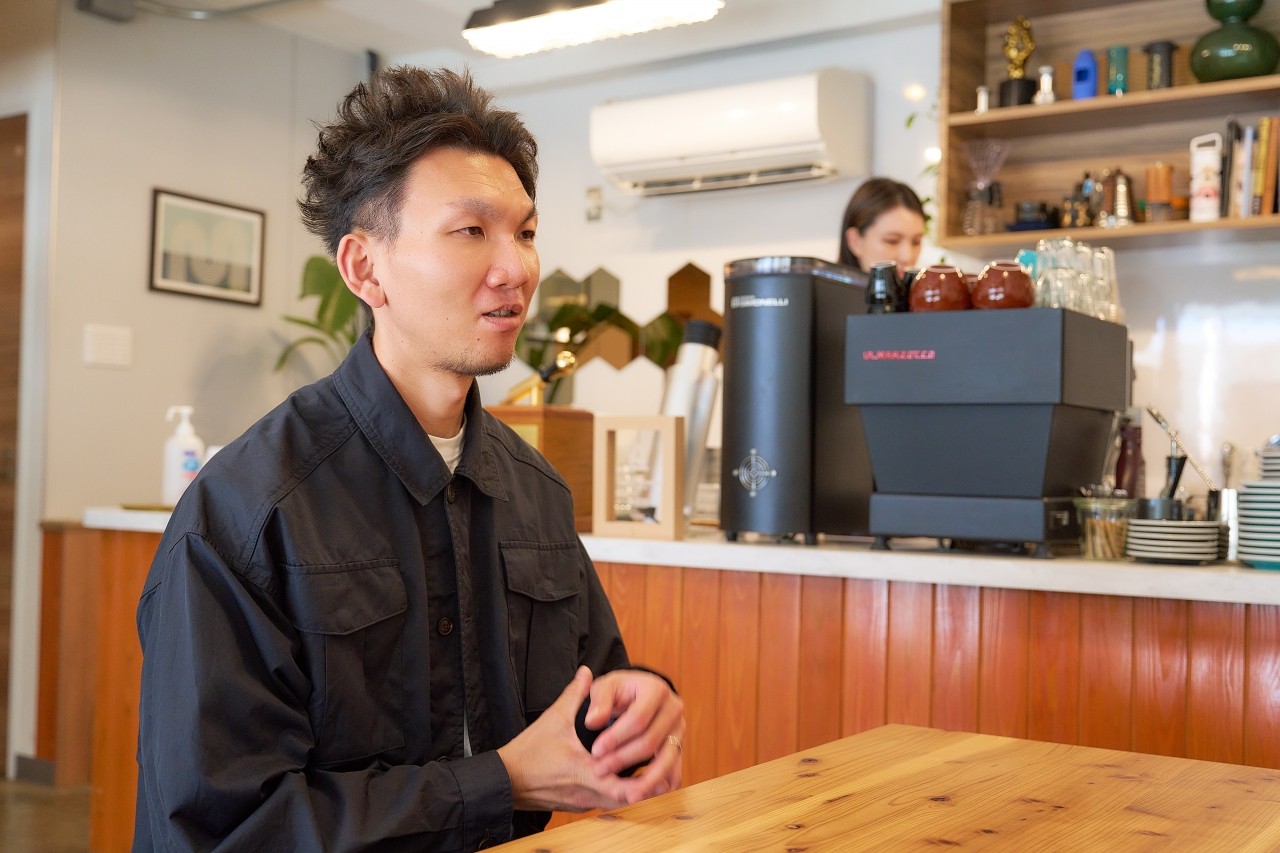
During my two years attending the specialized Manabu School, I happened to take a part-time job at Starbucks. My family didn't have the habit of drinking coffee, and I had no connection to coffee during my time Manabu . However, as I worked there, I became fascinated by its depth and complexity.
"I continued working part-time at Starbucks while also working at a design firm, but as I continued working both jobs, I started to think that coffee was more interesting. When I was around 25, I weighed the options and decided to pursue a career in coffee."
Interest in roasting and training at "Little Darling Coffee"
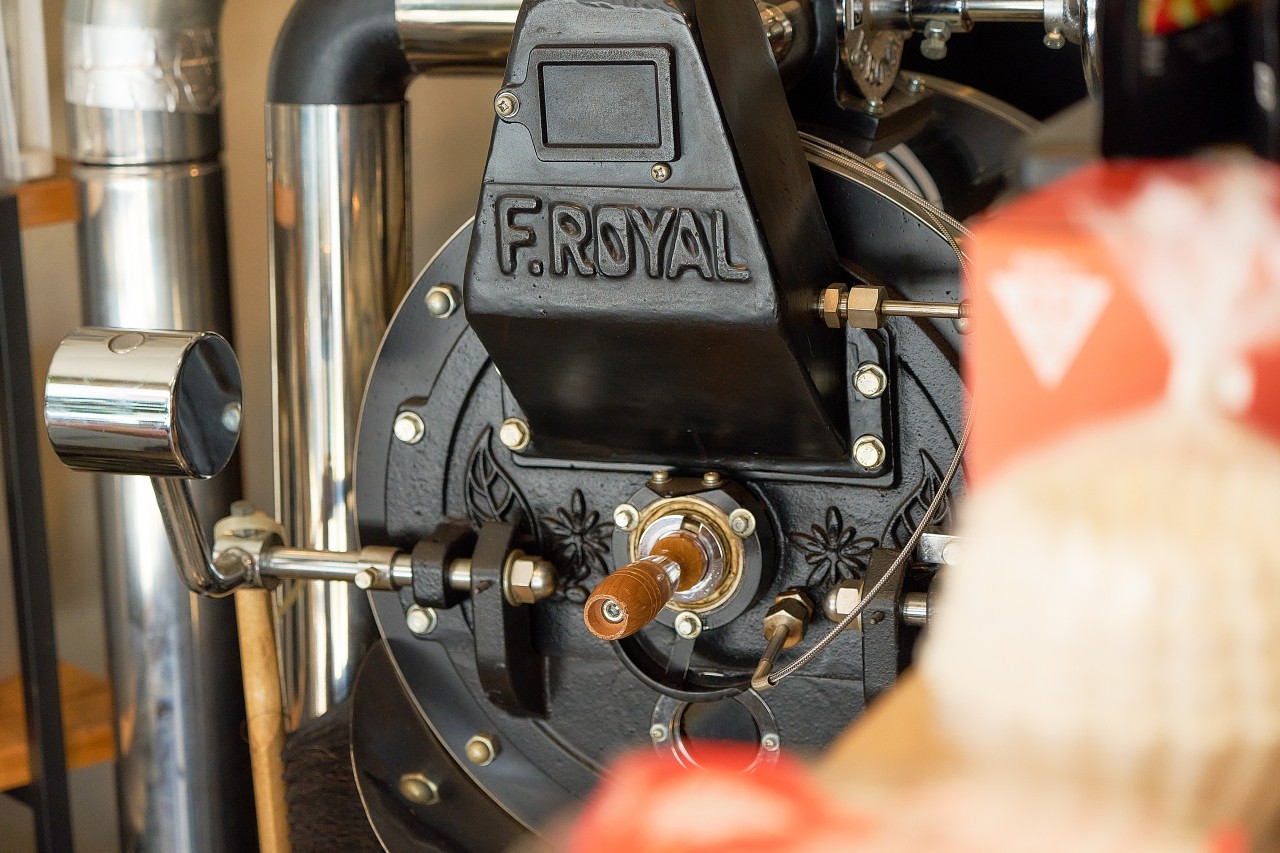
If you're serious about coffee, you should roast it yourself. —With that in mind, Onuki began renting out Fuji Coffee Machine's sample roaster, "Discovery," by the hour.
While exploring the world of coffee roasting out of curiosity, I was offered a position as part of the opening staff for "Little Darling Coffee Roasters," which was opening in Aoyama, Tokyo.
"I told them I wanted to do roasting when I joined the company. So for three years, I was mainly in charge of roasting."
"I told them I wanted to do roasting when I joined the company. So for three years, I was mainly in charge of roasting."
At Little Darling Coffee Roasters, we spent our days roasting coffee beans using a fixed profile. Our main offerings were medium roasts and city roasts, but as I tried various coffees, I realized that my preference was for lighter roasts.
"I had been wanting to roast coffee in the way I wanted to, when the coronavirus pandemic hit. My wife and I had originally talked about opening our own coffee shop, which I met when I was working at Starbucks, so I saw this situation as an opportunity and decided to return to Mito and open a shop."
A challenge that began in a small shop run by just two people.
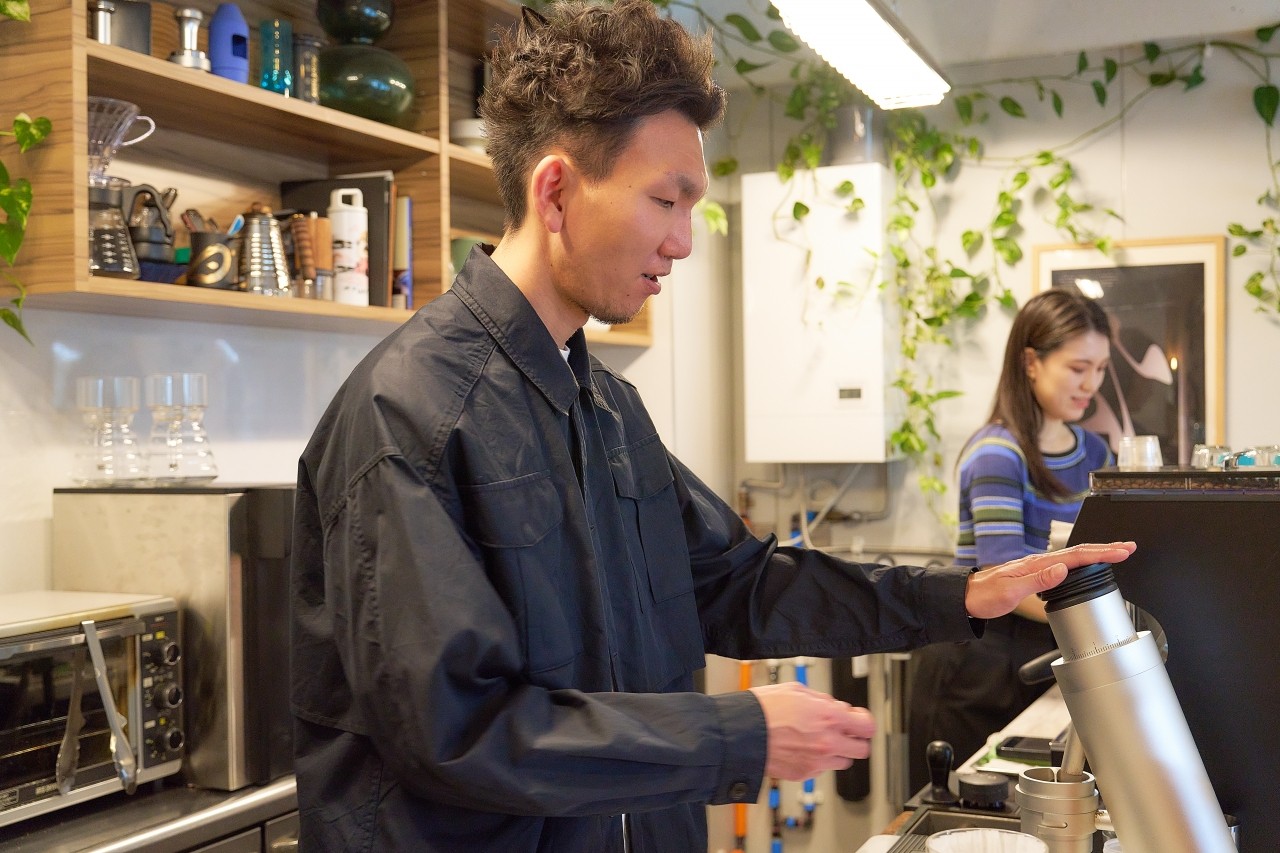
In November 2021, Onuki opened "MOOD COFFEE & ESPRESSO" in Mito City. From the beginning, they roasted their own beans, mainly offering light and medium-light roasts. Initially, they were often asked, "Don't you have any dark roasts?" In Ibaraki, there was a well-known local roaster called Saza Coffee, and a culture of dark roast coffee had developed there.
"Since Saza Coffee specializes in dark roasts, I thought we should avoid competing on the same playing field and instead create a niche market."
They didn't start with a predetermined concept; they just wanted to do what they wanted to do together. That's how the shop gradually evolved into its current style.
"Since Saza Coffee specializes in dark roasts, I thought we should avoid competing on the same playing field and instead create a niche market."
They didn't start with a predetermined concept; they just wanted to do what they wanted to do together. That's how the shop gradually evolved into its current style.
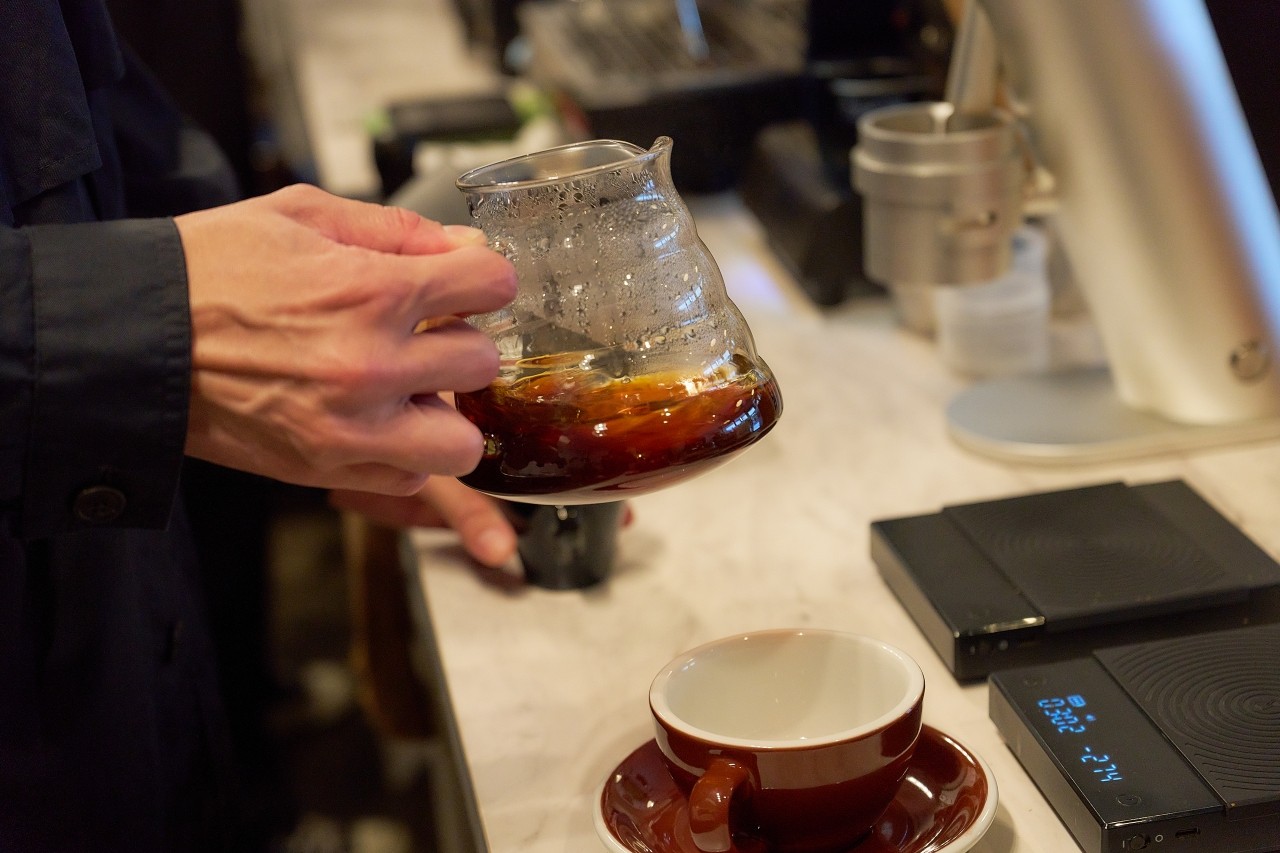
And Onuki 's roasting style also began to have distinctly different characteristics from others. The roasting time became drastically shorter.
"The shortest roast is about four and a half minutes. At first, I was roasting for the typical eight or nine minutes, but as I refined my approach based on the cup size, I kept shortening the roasting time until I settled on about five to six minutes."
Using a semi-hot air roaster, Fuji Royal employs an unconventional roasting method. Customers who visit the shop tell him his coffee is delicious, but Onuki wonders if it's truly delicious—seeking the answer, he decides to take on the challenge of a competition.
Prove the "restaurant's taste" in a competition.
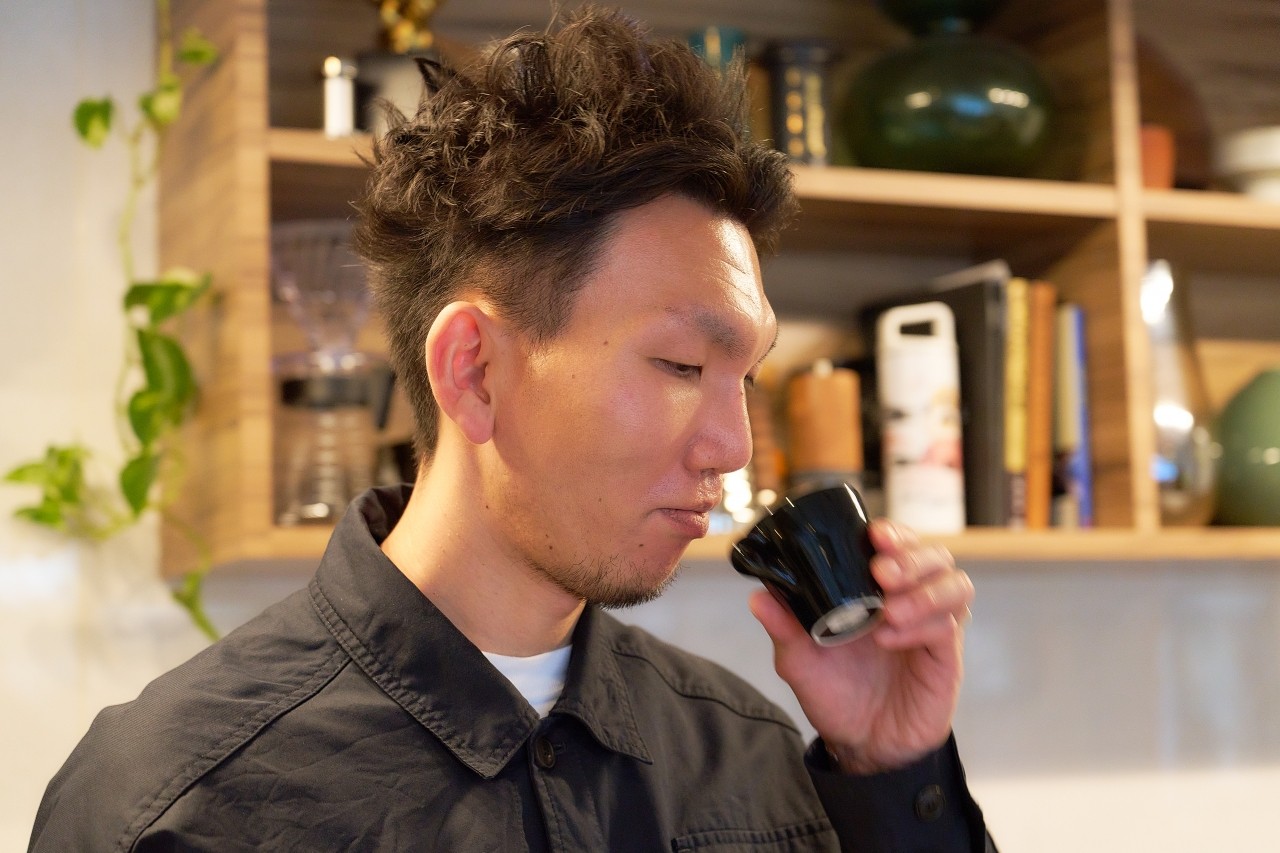
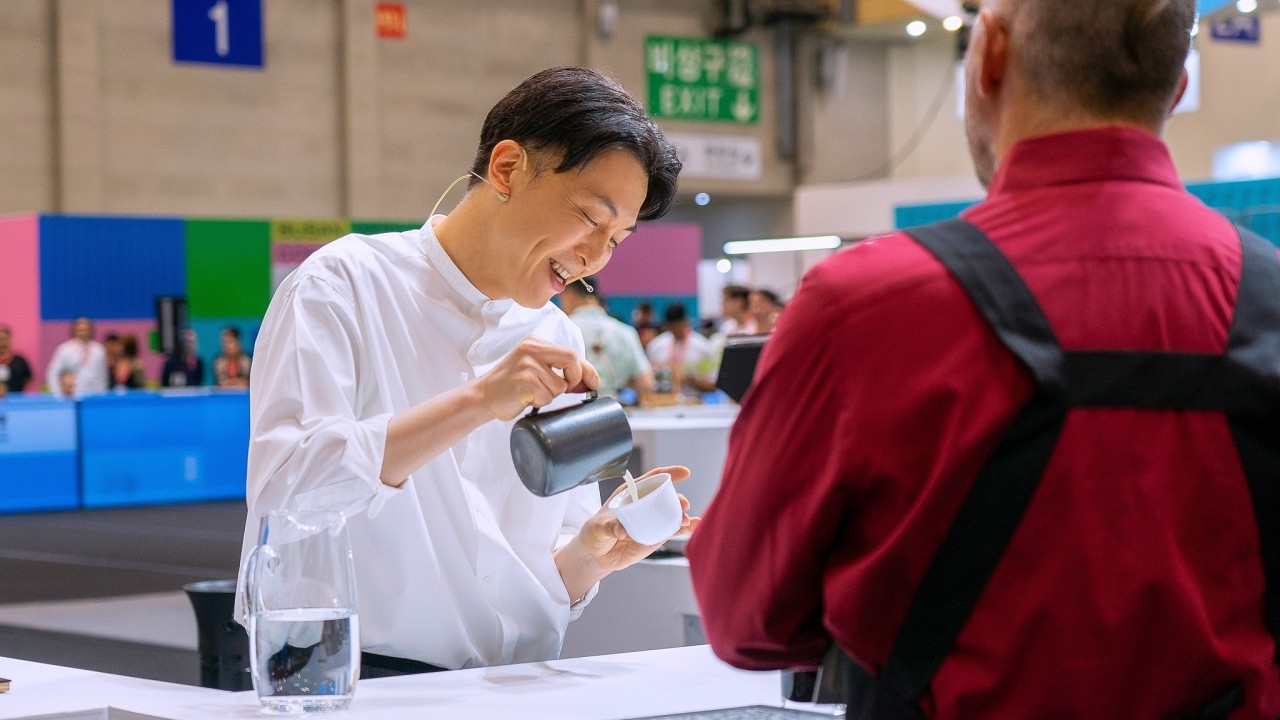
In 2024, Onuki participated in the JCRC for the first time. Until then, she had thought of competitions as "a different world," but she wanted to know how their roasting would be evaluated.
"Instead of roasting specifically for the competition, I focused on getting the roast to be similar to what we serve in our shop, and seeing how that would be evaluated. I felt that was the point of my participation."
The roaster used in the competition was Stronghold, which is different from the Fuji Royal roaster used in the shop. However, Onuki stuck to his roasting approach from the shop. He roasted the beans for 6 minutes and 20 seconds in the qualifying round and for the final round in a short time of about 7 minutes.
"I practiced using the roasting machine in the shop, and all I thought about was how close I could get to the shop's taste."
"Instead of roasting specifically for the competition, I focused on getting the roast to be similar to what we serve in our shop, and seeing how that would be evaluated. I felt that was the point of my participation."
The roaster used in the competition was Stronghold, which is different from the Fuji Royal roaster used in the shop. However, Onuki stuck to his roasting approach from the shop. He roasted the beans for 6 minutes and 20 seconds in the qualifying round and for the final round in a short time of about 7 minutes.
"I practiced using the roasting machine in the shop, and all I thought about was how close I could get to the shop's taste."
Onuki -san made it through the preliminary round. The other five finalists were all top-notch roasters from famous restaurants. To be honest, he thought just making it to the finals was enough.
"We weren't aiming to win. We don't have the financial resources to compete in the world championships (which the winners are sent to), and we thought it would be more appropriate for a team with a solid foundation than a small independent shop. Just making it to the finals meant that our roasting skills were being recognized."
However, the result was a magnificent victory. It was a moment that proved that what they had been doing was not wrong.
Roasting judged by "sound"
The most distinctive feature of Onuki 's roasting process isn't just its short duration. He also has a unique style in his criteria for making decisions during the roasting process.
"I don't pay much attention to the time or temperature. I only use the test spoon once or so, and I hardly ever remove it. I try to minimize the variables as much as possible and aim for a highly reproducible roasting process."
So, what criteria does he use to make his judgment? After winning, he was asked this question by many people, and what he was able to put into words was the "sound of the beans spinning."
"Immediately after putting the beans in, they're hard, so the sound of them swirling around in the drum is quite loud. When they soften and the sound becomes duller, we reduce the heat, and just before they pop, the sound becomes high-pitched again, so we reduce the heat again at that point. We judge it by the sound."
"I don't pay much attention to the time or temperature. I only use the test spoon once or so, and I hardly ever remove it. I try to minimize the variables as much as possible and aim for a highly reproducible roasting process."
So, what criteria does he use to make his judgment? After winning, he was asked this question by many people, and what he was able to put into words was the "sound of the beans spinning."
"Immediately after putting the beans in, they're hard, so the sound of them swirling around in the drum is quite loud. When they soften and the sound becomes duller, we reduce the heat, and just before they pop, the sound becomes high-pitched again, so we reduce the heat again at that point. We judge it by the sound."
Starting with maximum heat, he gradually reduces the heat while listening to the sounds that indicate changes in the beans' condition. This method is largely intuitive and not easily replicated by others. This method is the core of Onuki 's roasting technique.
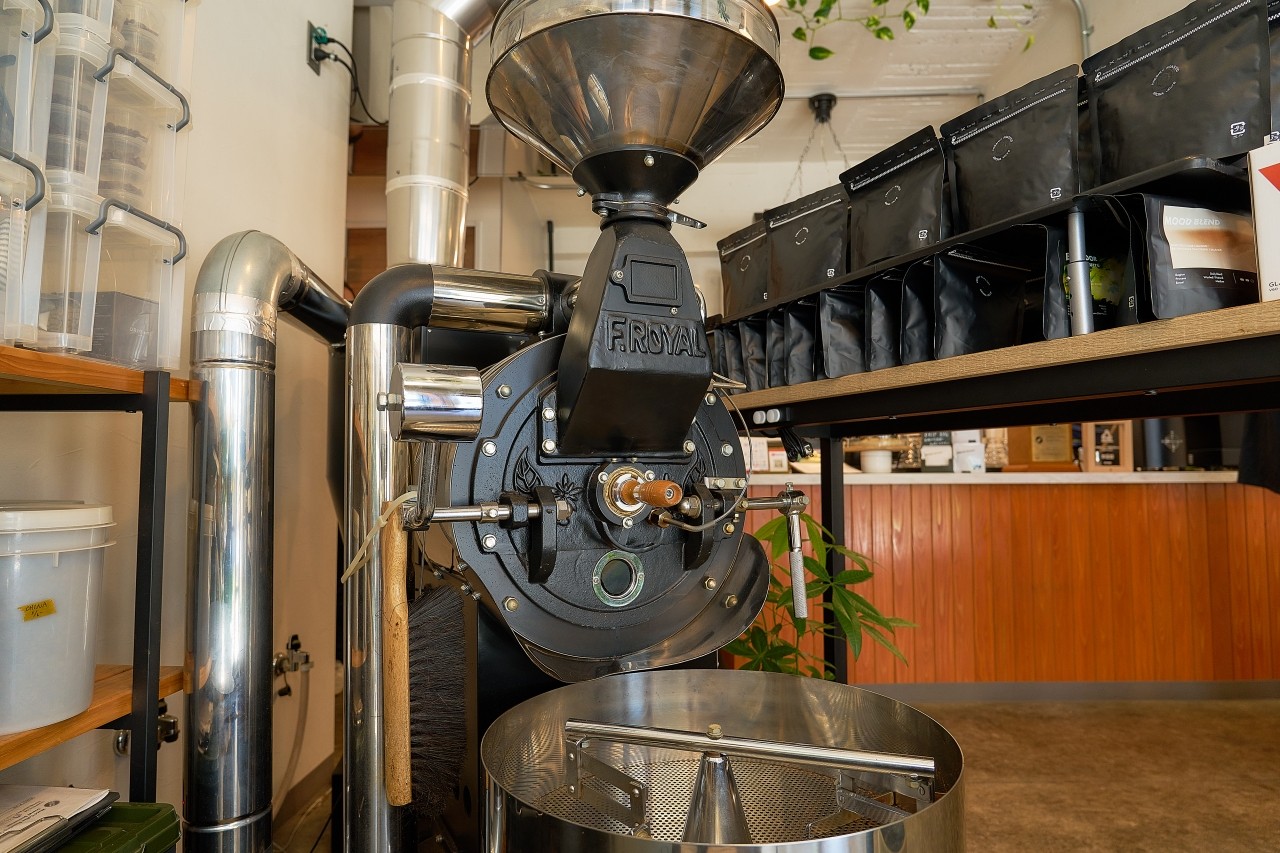
"The Stronghold roaster used in the competition also picks up sound easily. The S7X, in particular, is a delicate roaster where the conditions inside the roaster change drastically the moment you remove the test spoon. Roasting without removing the spoon is easier to reproduce."
Flavors refined through public cupping
Another element that has shaped Onuki 's roasting style is the public cupping sessions he holds at his shop every Saturday morning. He has been doing this since the shop opened, and currently about 15 people participate every week.
"We started this because we wanted to hear more from our customers. Basically, it's the general public who participate. Now we even have people who roast coffee professionally coming, but it's really helpful to hear opinions from the perspective of ordinary customers."
"We started this because we wanted to hear more from our customers. Basically, it's the general public who participate. Now we even have people who roast coffee professionally coming, but it's really helpful to hear opinions from the perspective of ordinary customers."
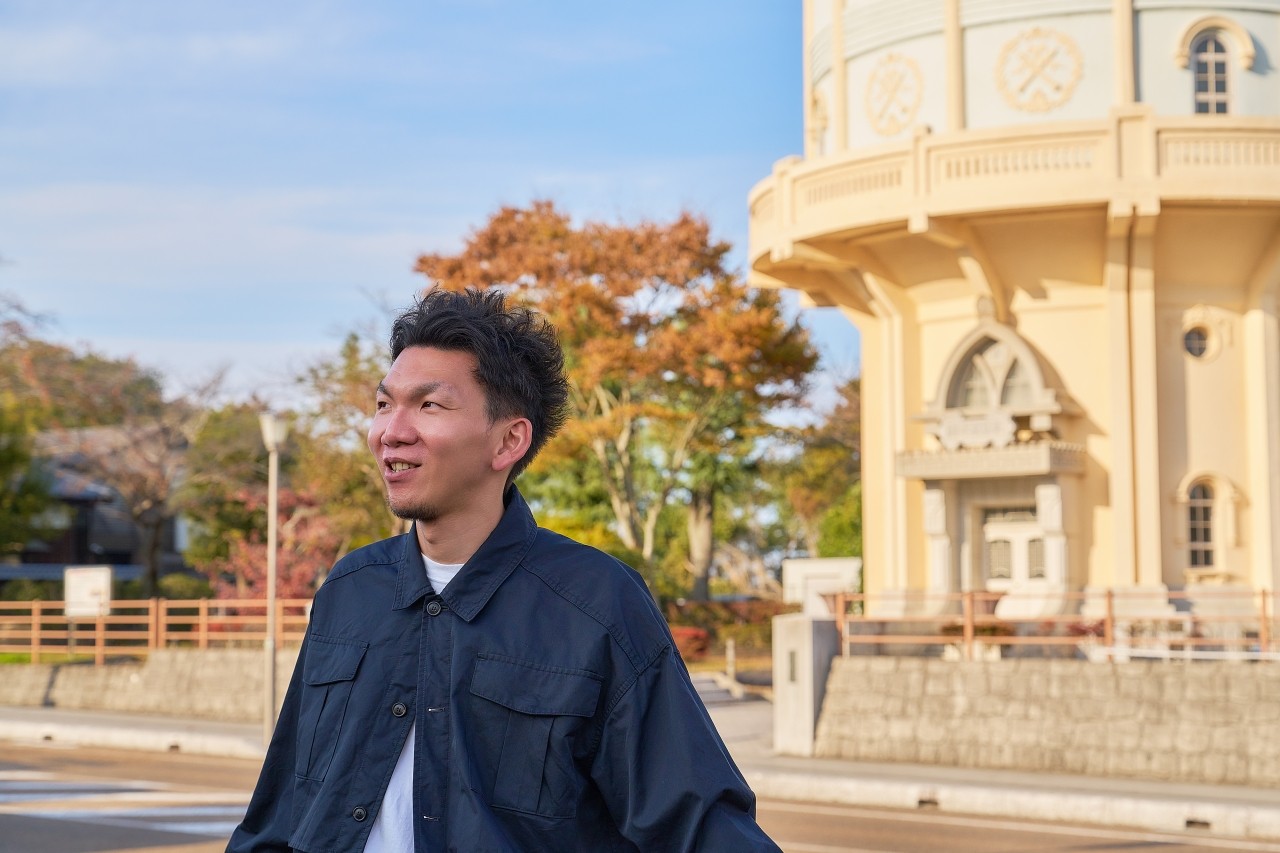
Onuki humbly states that he has no coffee qualifications, has never been to a coffee farm, and that he doesn't have any special ability to judge taste, but rather that he is simply highly proficient in reproducing the roasting process.
"My wife is better at capturing the flavor. I've been listening to my wife's and customers' opinions on the beans I roast, and that's how we arrived at our current direction."
The shop's style has been built on valuing conversations with customers and those close to them. Now in its fourth year of operation, it has become recognized as a shop specializing in light roasts.
The new connections that came from winning
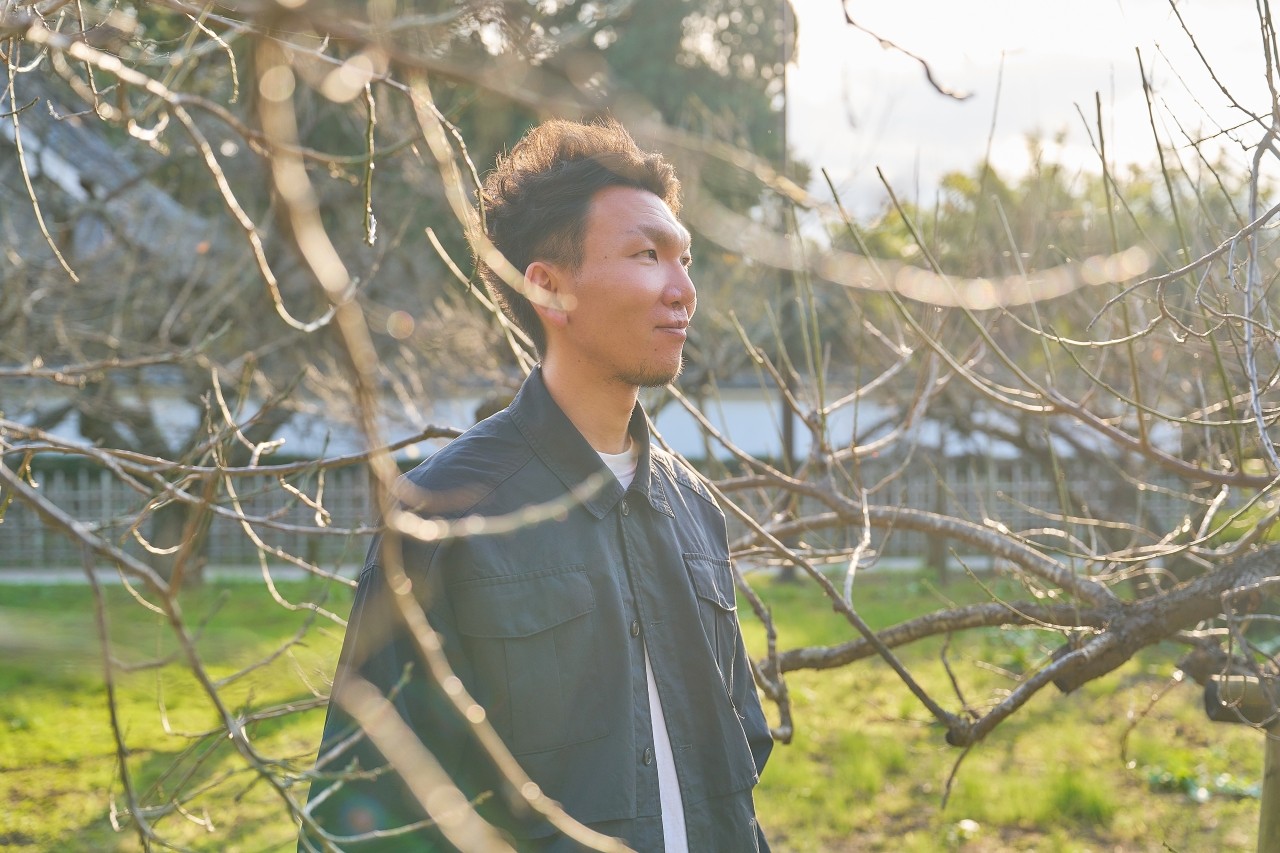
After winning the JCRC, Onuki 's world expanded dramatically. He began interacting with YUYA IWASAKI (formerly of Takamura Coffee), CROWD ROASTER roaster who was with him in the finals, and for the world championships, he asked Hitomi Ryo, also CROWD ROASTER advisor, to be his coach.
"During the finals, I was too intimidated to approach IWASAKI san, but now we share all sorts of information. It's been a huge advantage to meet top figures in the industry whom I'd never met before. My perspective has changed quite a bit in the past year."
They admit they're not comfortable being the center of attention, but they're genuinely happy that people who didn't know them before have come to know them. Their decision to join CROWD ROASTER CROWD ROASTER stemmed from a question from a viewer during a live stream with IWASAKI , asking why they weren't joining the group.
"I feel it's presumptuous for someone like me to be involved, but there are limits to the coffee that can be roasted in a small shop, so I think being given the opportunity to try various things will be a great experience."
"During the finals, I was too intimidated to approach IWASAKI san, but now we share all sorts of information. It's been a huge advantage to meet top figures in the industry whom I'd never met before. My perspective has changed quite a bit in the past year."
They admit they're not comfortable being the center of attention, but they're genuinely happy that people who didn't know them before have come to know them. Their decision to join CROWD ROASTER CROWD ROASTER stemmed from a question from a viewer during a live stream with IWASAKI , asking why they weren't joining the group.
"I feel it's presumptuous for someone like me to be involved, but there are limits to the coffee that can be roasted in a small shop, so I think being given the opportunity to try various things will be a great experience."
Unchanging attitude, unchanging taste
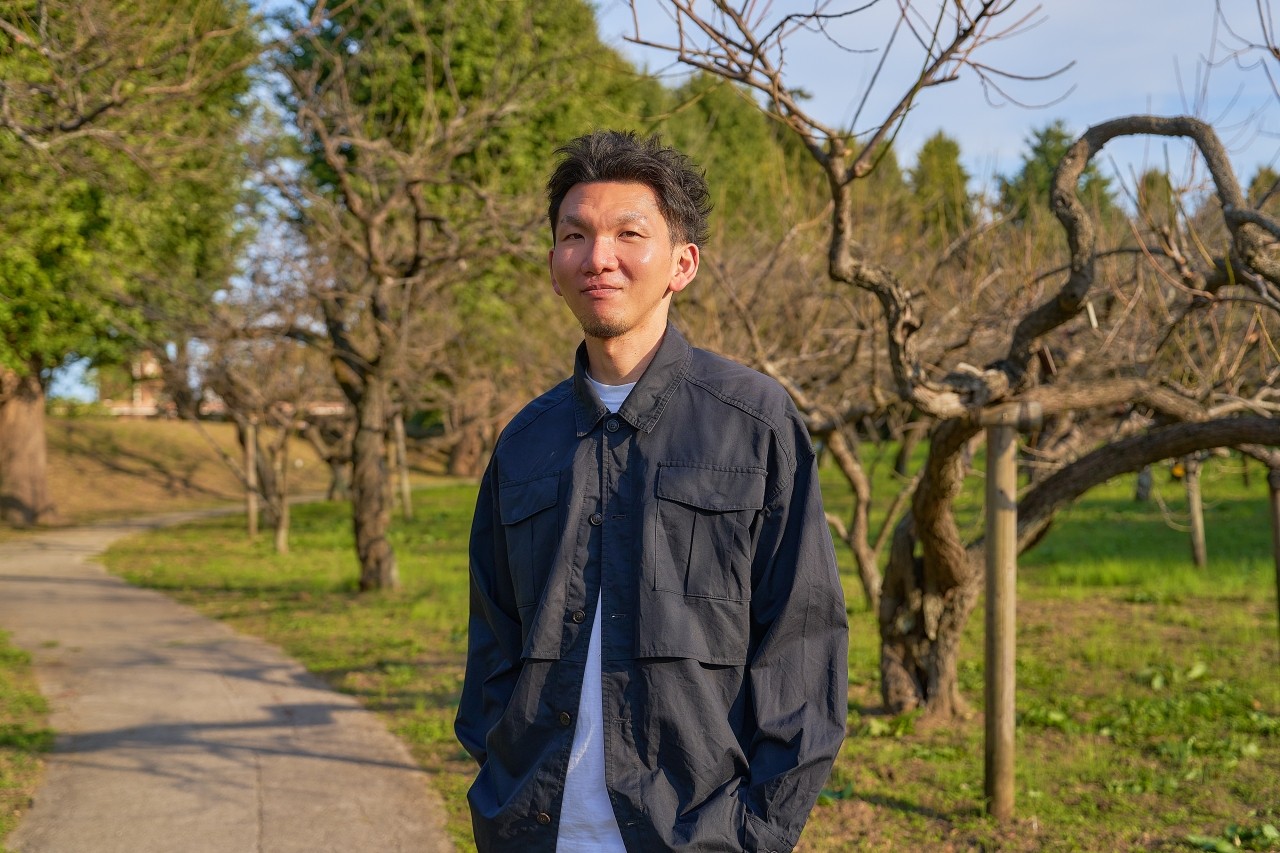
Even after becoming the Japanese champion, Onuki 's stance remains unchanged.
"Winning doesn't mean we're going to change anything. We'll continue roasting coffee beans the same way we always have. I just want people to know that. We're just going to make what we think tastes good."
Just because it's a competition doesn't mean he'll do anything special. He'll simply do what he's been building up over time. That attitude is probably what makes Onuki who he is.
He says that ever since he was a soccer-playing boy, he's been good at doing things at his own pace. He's not the type to pursue things rigidly, but rather listens to the opinions of various people, maintains his own core values, and is flexible in his approach to change.
"That's just the kind of person I am. I have my own principles, but I think my strength is that I can listen to the opinions of many different people."
In the regional city of Mito, a small roastery run by a husband and wife team. However, the coffee produced there has been recognized as one of the best in Japan. And Mr. Onuki is looking forward to being able to deliver that taste to coffee lovers all over the country through CROWD ROASTER .
"We hope this will be an opportunity for customers who haven't known about us before to discover our flavors."
Whether in competitions or everyday life, the roasting and taste remain consistent. That consistency is what makes MOOD COFFEE & ESPRESSO, and Mr. Onuki , so appealing.
"Winning doesn't mean we're going to change anything. We'll continue roasting coffee beans the same way we always have. I just want people to know that. We're just going to make what we think tastes good."
Just because it's a competition doesn't mean he'll do anything special. He'll simply do what he's been building up over time. That attitude is probably what makes Onuki who he is.
He says that ever since he was a soccer-playing boy, he's been good at doing things at his own pace. He's not the type to pursue things rigidly, but rather listens to the opinions of various people, maintains his own core values, and is flexible in his approach to change.
"That's just the kind of person I am. I have my own principles, but I think my strength is that I can listen to the opinions of many different people."
In the regional city of Mito, a small roastery run by a husband and wife team. However, the coffee produced there has been recognized as one of the best in Japan. And Mr. Onuki is looking forward to being able to deliver that taste to coffee lovers all over the country through CROWD ROASTER .
"We hope this will be an opportunity for customers who haven't known about us before to discover our flavors."
Whether in competitions or everyday life, the roasting and taste remain consistent. That consistency is what makes MOOD COFFEE & ESPRESSO, and Mr. Onuki , so appealing.
Onuki 's roast event is finally starting!
A Kenyan roast event, which he himself says he is good at.
Look forward to seeing Kenya, the Japanese champion.
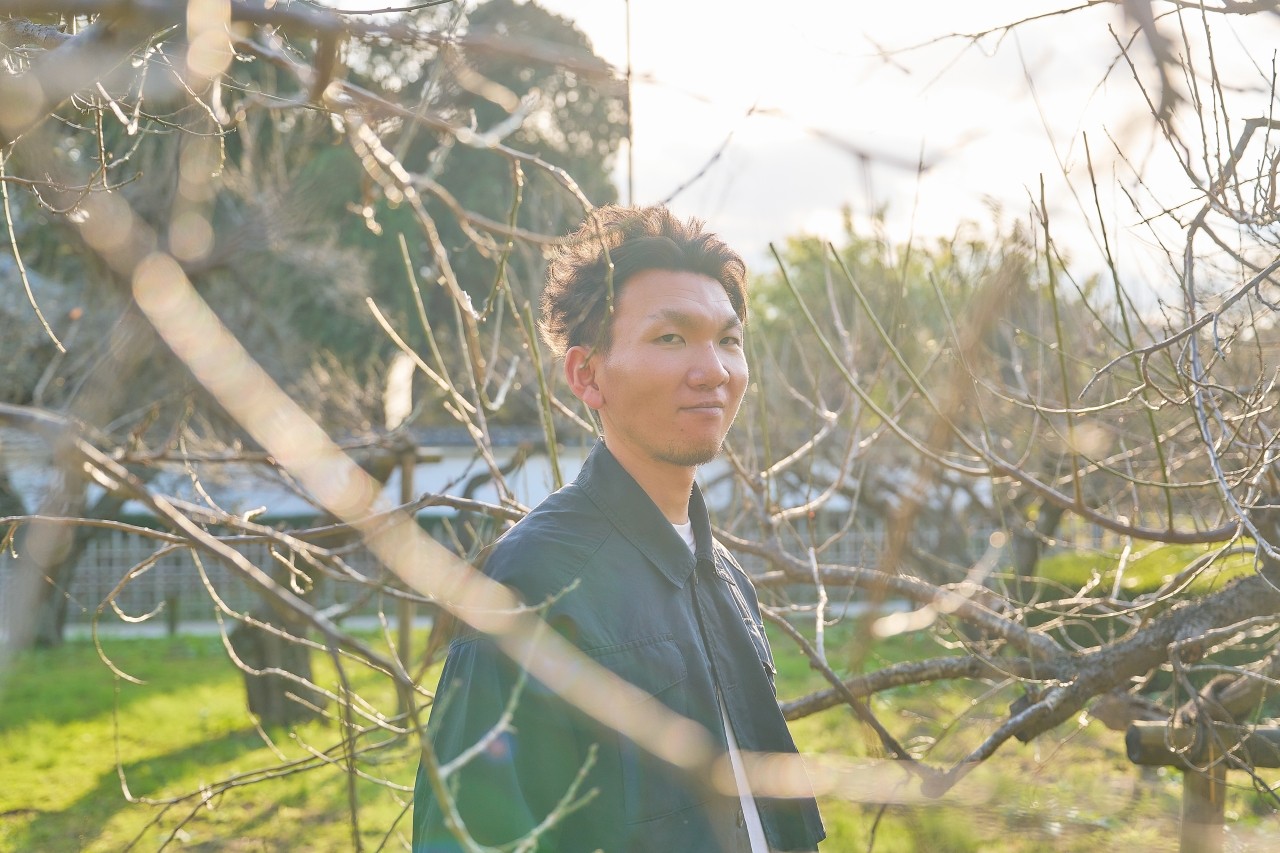
■Profile
Roaster Takeharu Onuki <br />Originally from Ibaraki Prefecture. He dedicated himself to soccer from Manabu school to university at Manabu High School, and discovered his passion for coffee while working part-time at Starbucks. After training for three years at "Little Darling Coffee Roasters" in Minami-Aoyama, Tokyo, he opened "MOOD COFFEE & ESPRESSO" in Mito City in November 2021. He won first place in his first appearance at the 2024 JCRC (Japan Coffee Roasting Championship) and came in second place at the 2025 Hojun Fuji Cup International Roasting Competition Japan Preliminary Round. With his unique style characterized by short roasting times, he has established himself as one of Japan's top roasters.
■Shop Information
MOOD COFFEE & ESPRESSO
1F, Tokiwa Building, 2-4-58 Minamimachi, Mito City, Ibaraki Prefecture
Opening hours: Weekdays 8:00 AM - 6:00 PM, Saturdays, Sundays, and public holidays 10:00 AM - 6:00 PM
Closed on Wednesdays
Opening hours: Weekdays 8:00 AM - 6:00 PM, Saturdays, Sundays, and public holidays 10:00 AM - 6:00 PM
Closed on Wednesdays
If you want to enjoy coffee more deeply
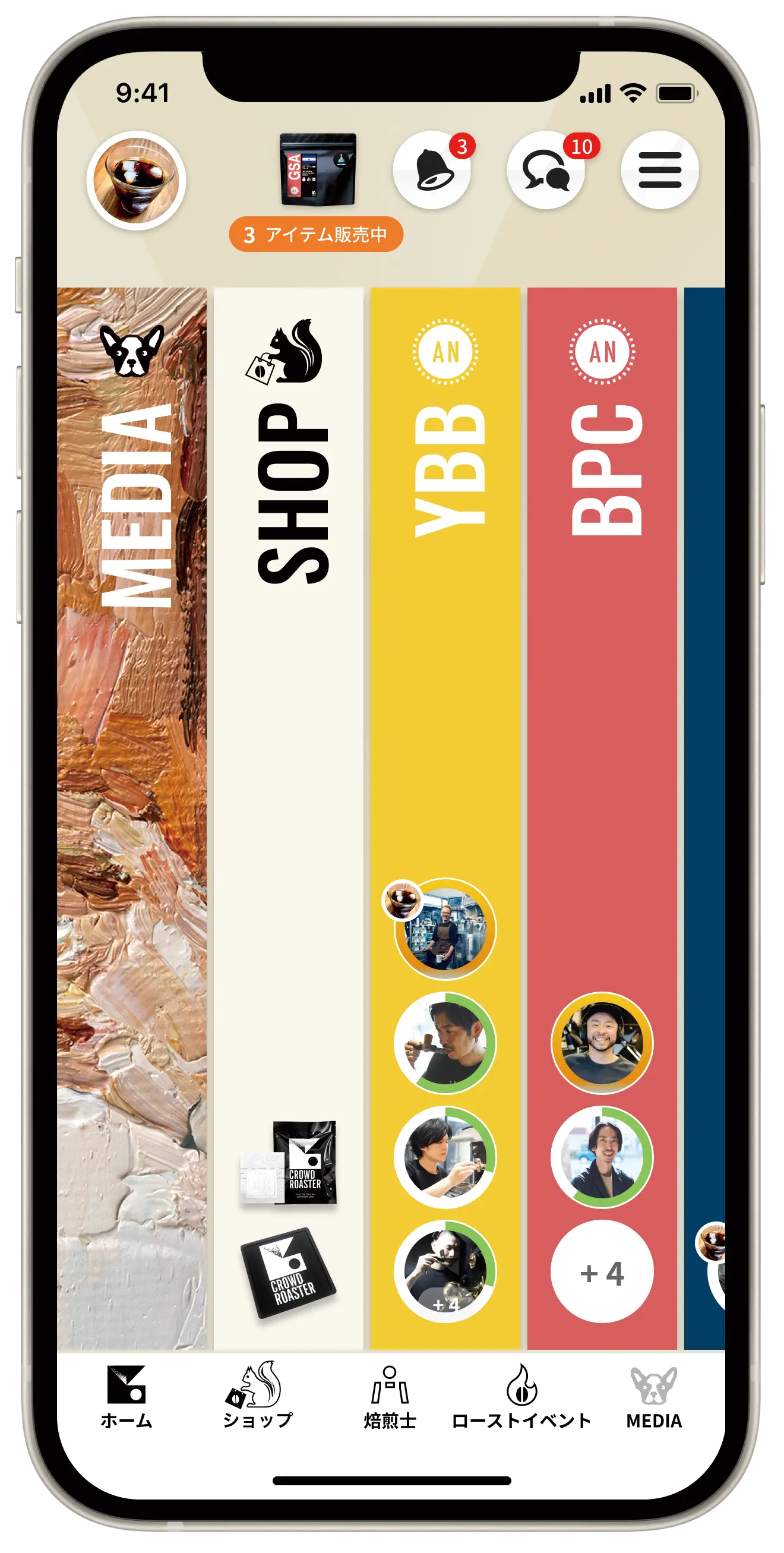
" CROWD ROASTER APP"
Manabu at CROWD ROASTER LOUNGE
・Push notifications for article updates・Full of original articles exclusive to CROWD ROASTER
・Direct links to detailed information about green beans and roasters
App-only features
- Choose green beans and roasters to create and participate in roasting events・CROWD ROASTER SHOP: Everything from beans to equipment is readily available
・GPS-linked coffee map function
Download the official app here